
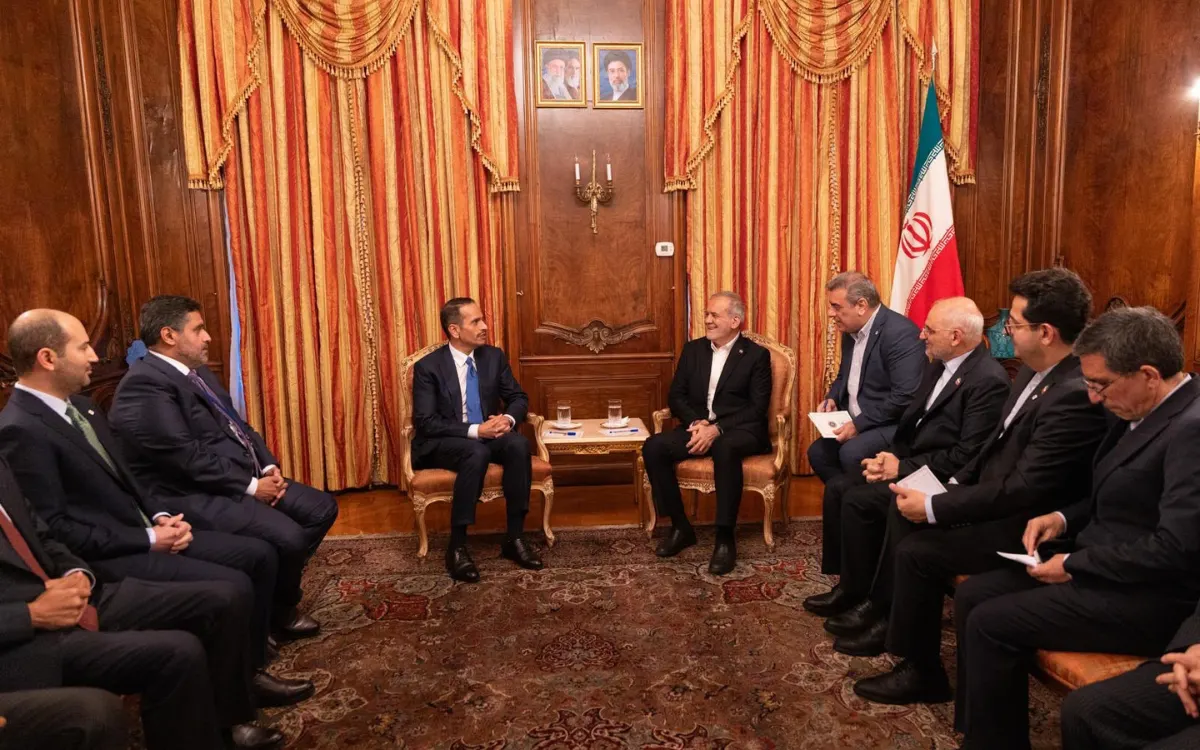
Qatar said the United States and Iran remain engaged in indirect talks to end the seven-month Middle East war, even as another attack on commercial shipping in the Strait of Hormuz underscored the obstacles facing negotiations.
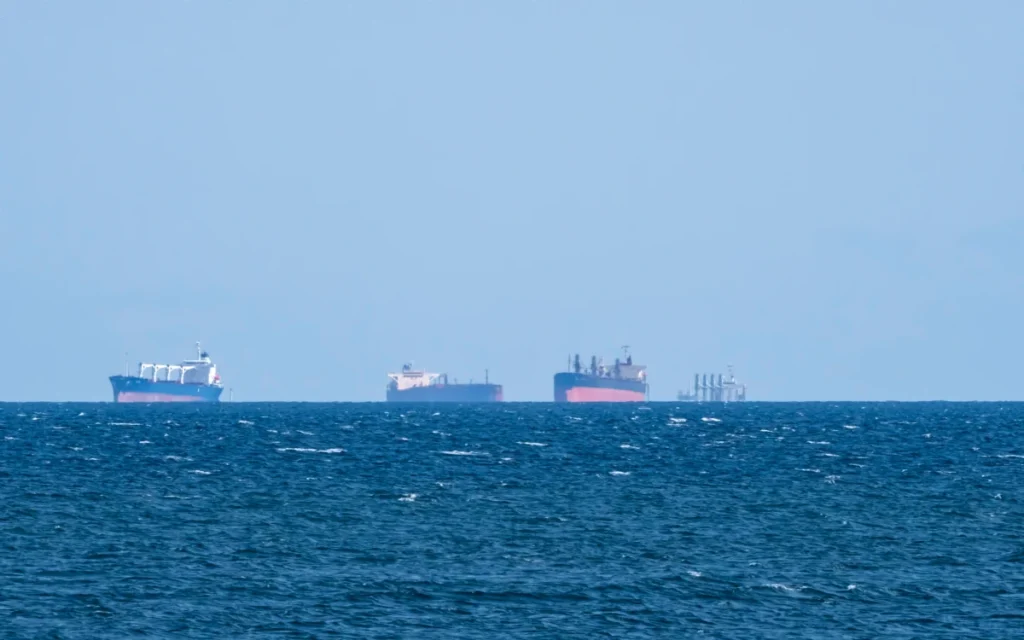
India said the Panama-flagged commercial vessel “MT On Peace” was struck by a projectile off Oman while transiting the Strait of Hormuz on Tuesday. Twelve of its 19 crew members were injured, including 11 Indian nationals, and were evacuated for treatment in Khasab, Oman. India condemned the attack and called for an immediate end to attacks on commercial shipping, but its statement did not identify who was responsible.
“I can confirm that the talks are continuing and the exchange of messages between different parties are continuing via Qatar and its regional partners,” Qatari foreign ministry official Ibrahim Al-Hashmi said. He added that the scale of the conflict and its global costs required efforts to reach a negotiated solution.
Washington and Tehran remain at odds over the strategically important Strait of Hormuz despite an April ceasefire, a memorandum of understanding in June, and further talks during the UN General Assembly last month. Iranian President Masoud Pezeshkian said on Monday that negotiations with the United States were “meaningless” and had resulted only in renewed attacks, according to Iranian state media. The latest shipping incident adds to tensions surrounding the waterway, with India warning that repeated attacks on commercial vessels, seafarers, and civilian infrastructure must end and that international navigation should be restored.
The continuation of indirect U.S.–Iran contacts suggests diplomatic channels remain open despite public hostility and continuing maritime insecurity. However, the Hormuz dispute links the negotiations directly to a waterway central to global energy and commercial shipping, increasing the international consequences of any failure to reach an agreement. The attack on “MT On Peace,” involving Indian nationals and occurring off Oman, also demonstrates how the conflict is affecting states outside the principal belligerents and could increase diplomatic pressure for de-escalation. Qatar’s mediation provides Washington and Tehran with an indirect channel at a time when direct political trust remains limited. The next test will be whether Qatar’s mediation can narrow differences over Hormuz while attacks on commercial shipping continue to complicate efforts to end the war. (AFP+EIR)