
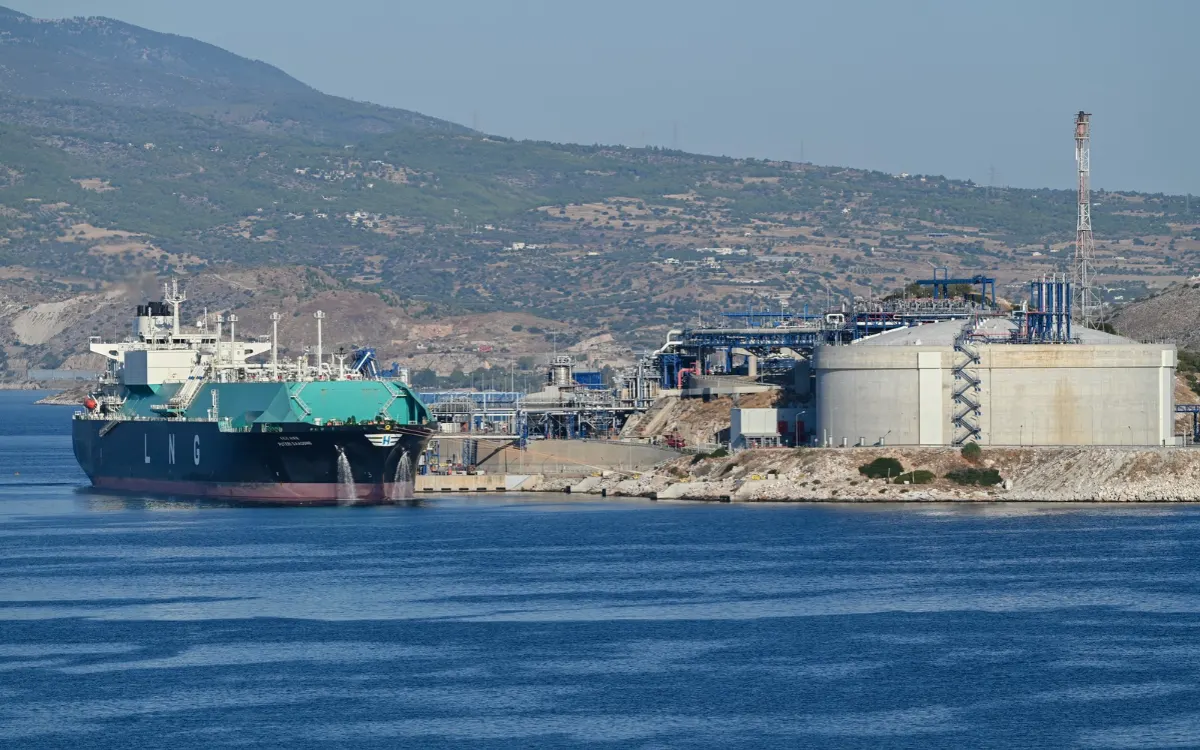
The European Union reached a provisional agreement on Thursday, November 19, to delay key methane emissions requirements for hydrocarbon importers until 2029, prioritizing energy security amid soaring prices linked to the war in Iran. The decision reflects growing pressure on Brussels to reconcile its climate commitments with supply concerns and rising costs, while also responding to opposition from major energy companies and the United States.
The agreement, reached after negotiations between the European Commission, European Parliament, and EU member states, postpones requirements originally scheduled to take effect in 2027. According to the EU Council statement, monitoring, reporting, and verification obligations for importers of natural gas, crude oil, and coal will now apply from January 1, 2029, while methane-intensity reporting requirements for importers and EU producers will begin on August 5, 2030. The measures are intended to improve transparency over emissions associated with fossil fuel supplies.
“Tonight, we achieved a pragmatic balance on the methane regulation, addressing the pressures in the energy market while maintaining the EU’s leadership in reducing methane emissions,” said Darragh O’Brien, Ireland’s environment minister. Ireland currently holds the EU Council’s rotating presidency. The Council said the postponement would provide greater flexibility to maintain reliable energy supplies amid global volatility.
Methane is a powerful greenhouse gas and the second-largest contributor to climate change after carbon dioxide. The original timetable faced resistance from energy industry groups and Washington, while the war in Iran intensified concerns over supply disruptions and rising costs. A European Parliament briefing also documents concerns among energy-exporting countries and industry stakeholders about compliance costs and potential disruptions to energy imports. Environmental organizations, meanwhile, have warned that delaying the rules could weaken incentives to reduce emissions.
The agreement illustrates how geopolitical instability is reshaping European energy and climate policy. Under the provisional deal, the European Commission must review implementation by January 1, 2028, including the availability of independent emissions verifiers and potential risks to energy supplies. The European Parliament and Council must still formally approve the amendment. The challenge for Brussels will be preserving the effectiveness of its methane framework while managing energy security concerns and commercial pressures from international suppliers. (AFP+EIR)