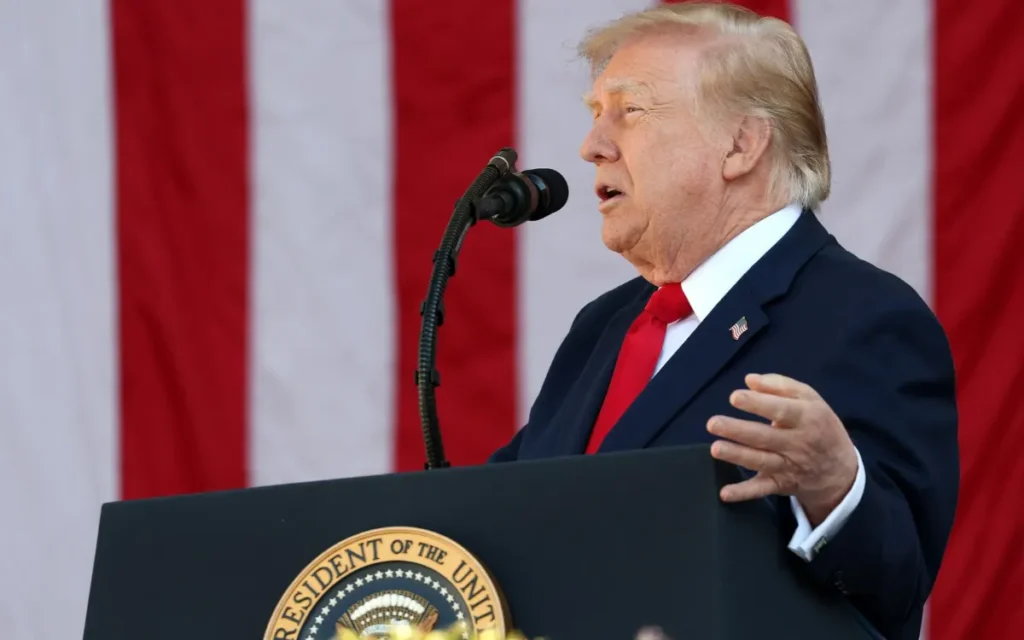

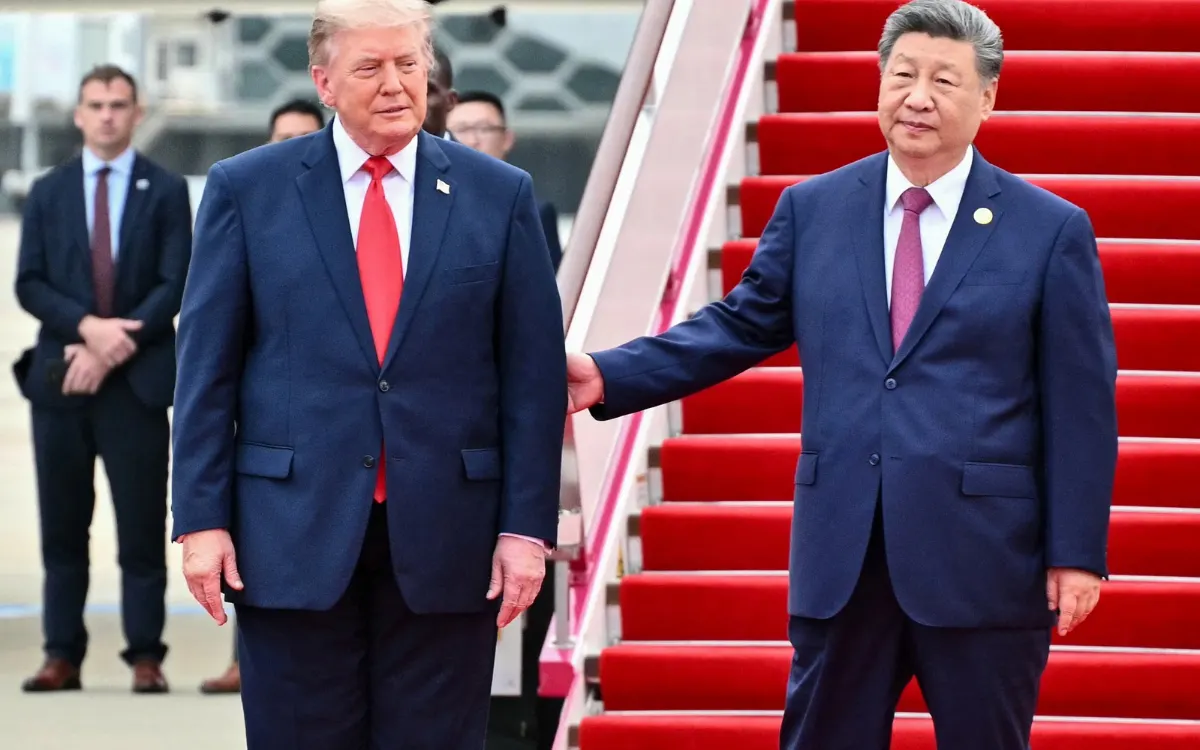
Chinese President Xi Jinping called for a “constructive, strategically stable relationship” with the United States as he welcomed President Donald Trump to Shenzhen on Wednesday, ahead of high-level talks at the Asia-Pacific Economic Cooperation (APEC) summit. The meeting comes amid tensions over trade barriers, economic competition, and the future of relations between the world’s two largest economies.
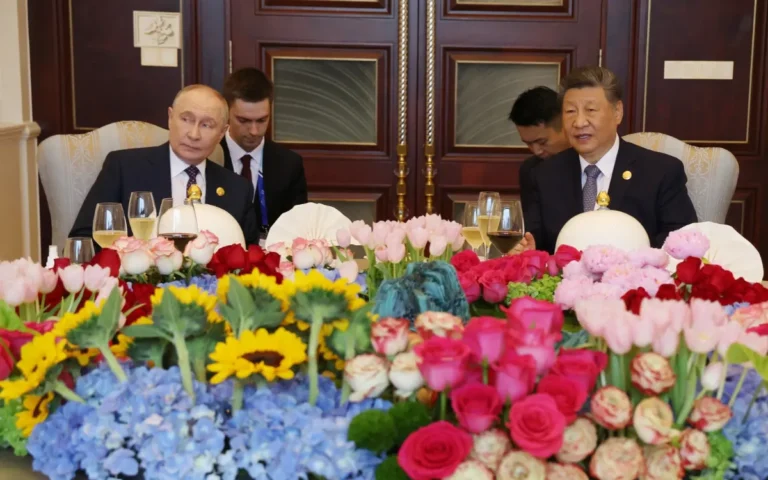
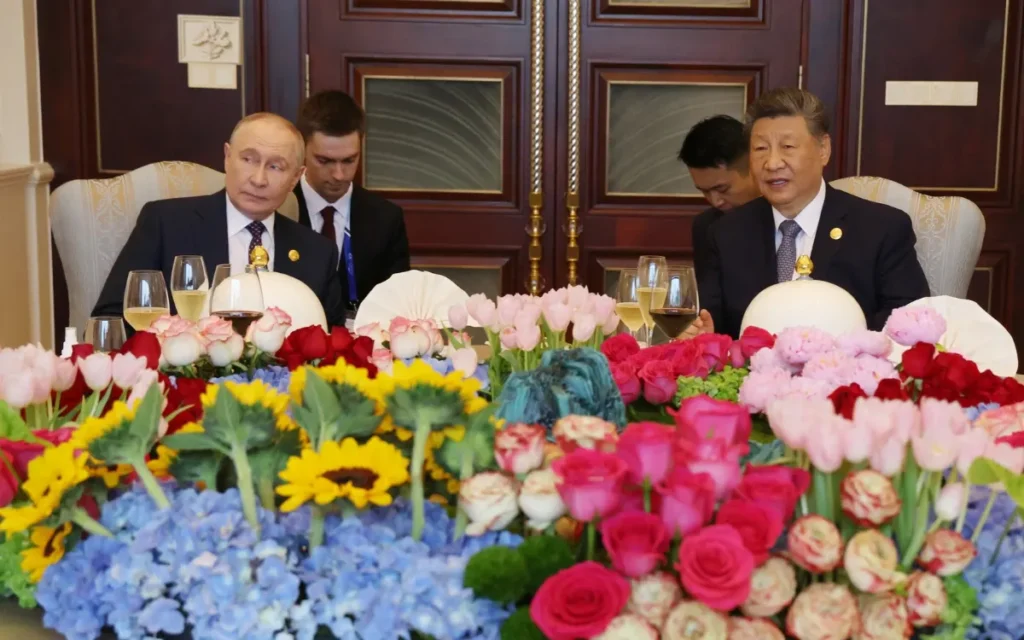
According to Chinese state media, Xi greeted Trump at Shenzhen’s airport on November 18, with formal bilateral discussions scheduled for Thursday. The two leaders are also expected to join Russian President Vladimir Putin for a trilateral summit, bringing together three major powers at a time of mounting geopolitical and economic uncertainty.
“I look forward to an in-depth exchange of views with you on major issues concerning China-U.S. relations, Asia-Pacific cooperation, and the global landscape,” Xi said. He described the relationship he sought as one founded on “mutual respect, fairness, and reciprocity.”
Earlier Wednesday, Xi warned that “unilateralism and protectionism are rampant” in a keynote address at the APEC CEO Summit, according to a transcript published on the Chinese Foreign Ministry’s official website. He urged governments to support free trade, remove economic barriers, and strengthen regional cooperation. Chinese Premier Li Qiang has also criticized unilateral trade policies, while Putin has argued that Western sanctions have failed to achieve their intended objectives. Separately, Foreign Ministry spokesperson Guo Jiakun said during a November 18 briefing, published on the Ministry’s website, that the three presidents “will have an in-depth exchange of views on important issues bearing on global peace.” Asked whether Ukraine would be discussed, Guo did not confirm a specific agenda, leaving questions about Ukraine, Iran, and nuclear disarmament unresolved.
Xi’s emphasis on stability signals an effort to establish a more predictable framework for U.S.–China relations without abandoning Beijing’s objections to restrictive trade policies. Whether the talks produce concrete agreements will depend on the leaders’ willingness to translate diplomatic language into commitments on trade and security. The inclusion of Putin adds another strategic dimension, with the summit’s outcome potentially influencing both Washington’s relations with Beijing and the broader balance of international diplomacy. (Agencies+EIR)