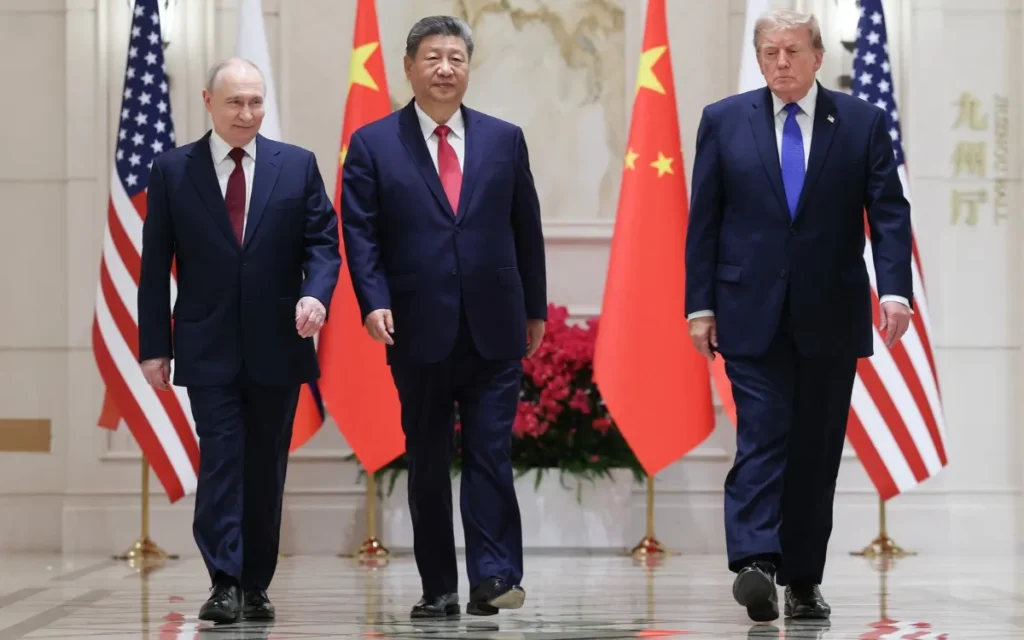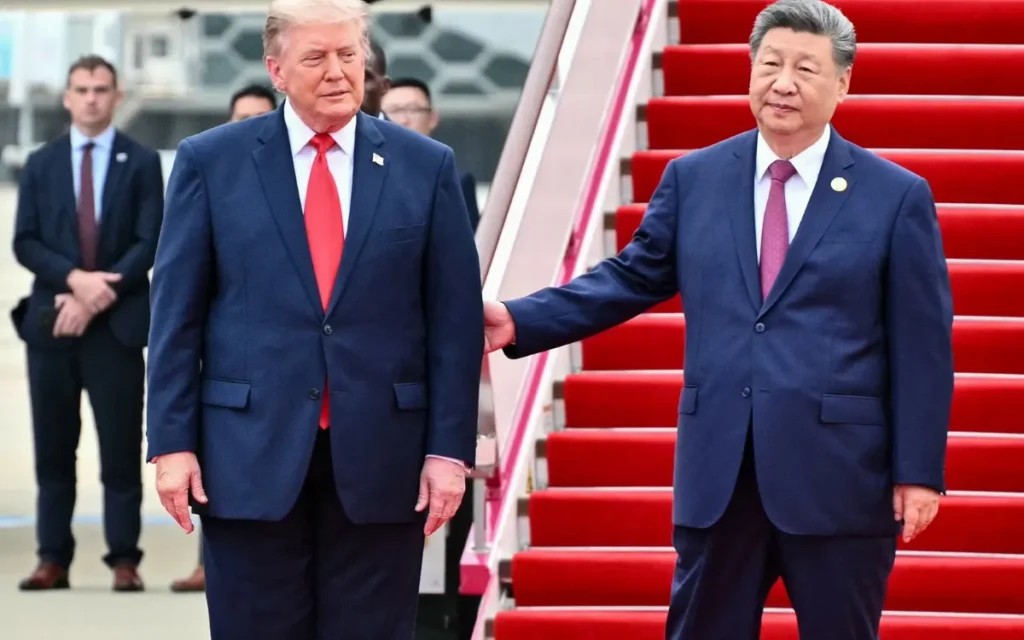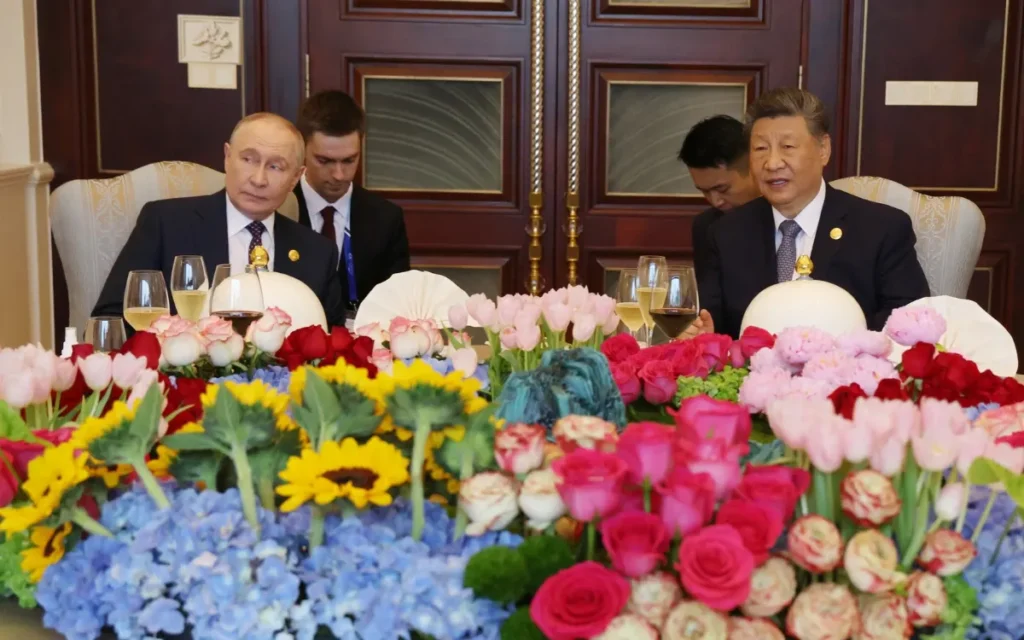

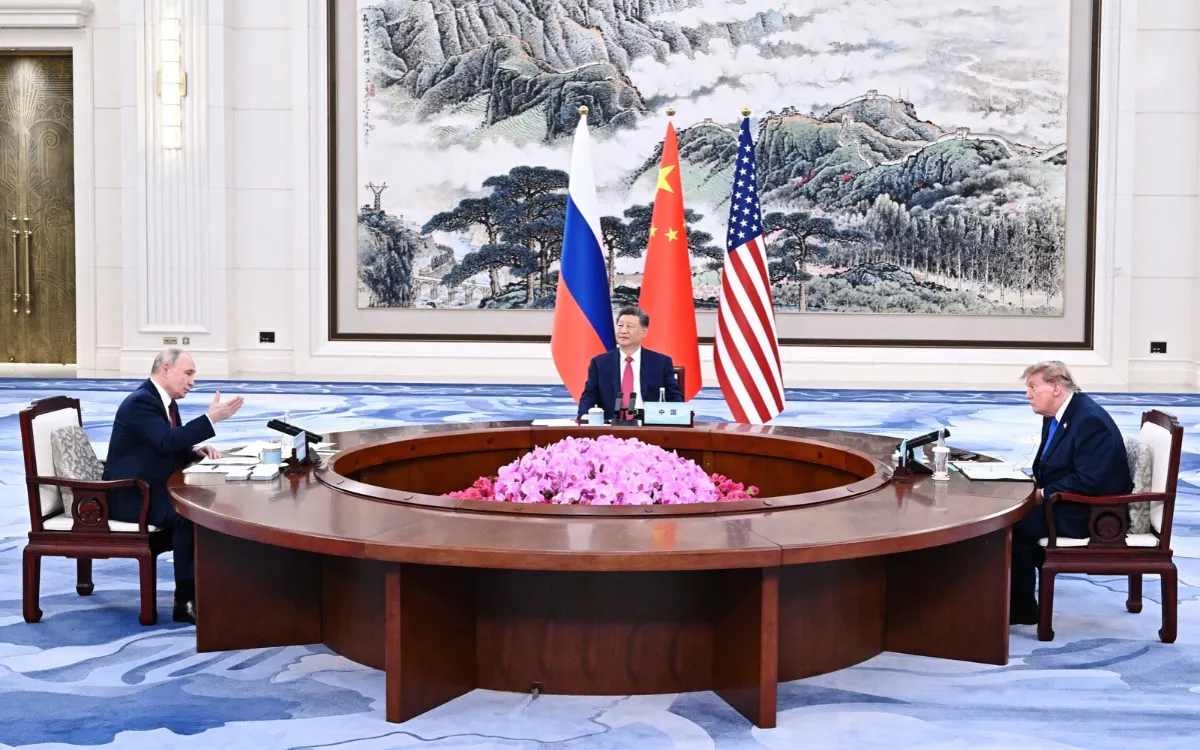
China, Russia, and the United States committed Thursday, November 19, to advancing United Nations reform following talks between their leaders in Shenzhen, placing the future of international institutions at the center of an unprecedented trilateral diplomatic initiative. The declaration also addressed global energy supplies, international judicial jurisdiction, and nuclear security, signaling areas of shared interest among three powers whose strategic priorities frequently diverge.
In a joint declaration published by Chinese state media, the three countries said they would work to make the UN more effective in responding to global challenges and fulfilling its central mission of maintaining international peace and security. The commitment carries particular significance because all three hold permanent seats on the UN Security Council, where their positions can shape decisions on international crises. However, the declaration did not specify institutional changes, a timetable, or a mechanism for implementing reform.
The three governments said they were “committed to advancing UN reform to enable the organisation to more effectively address global challenges and fulfill its fundamental mission of maintaining international peace and security”. They also emphasized the importance of state consent and the immunity of government officials, agreeing that “the International Criminal Court and other similar institutions must not abuse their jurisdiction”. The language raises questions about how the powers envision the relationship between state sovereignty and international judicial accountability.
Beyond institutional reform, the declaration outlined plans to increase the production and supply of refined petroleum products and reaffirmed the importance of stable energy flows. The commitment comes amid heightened international concern over energy security following the war in Iran. On nuclear issues, the three leaders reiterated that nuclear war must never be fought and pledged dialogue on reducing nuclear risks and preventing proliferation. The statement did not establish binding commitments on weapons reductions or a new arms control framework.
The Shenzhen declaration places UN reform within a broader effort by Washington, Beijing, and Moscow to identify areas of cooperation despite persistent geopolitical disagreements. Yet its significance will depend on whether broad commitments produce concrete proposals, particularly on Security Council reform and international accountability. Without agreed mechanisms or implementation deadlines, the declaration remains a statement of diplomatic intent rather than an established framework for reshaping global governance. (AFP+EIR)