
Iran paired escalating threats against regional infrastructure with renewed diplomatic signaling on Tuesday as Tehran awaited a formal U.S. response to its proposal to reopen the Strait of Hormuz and move toward negotiations.
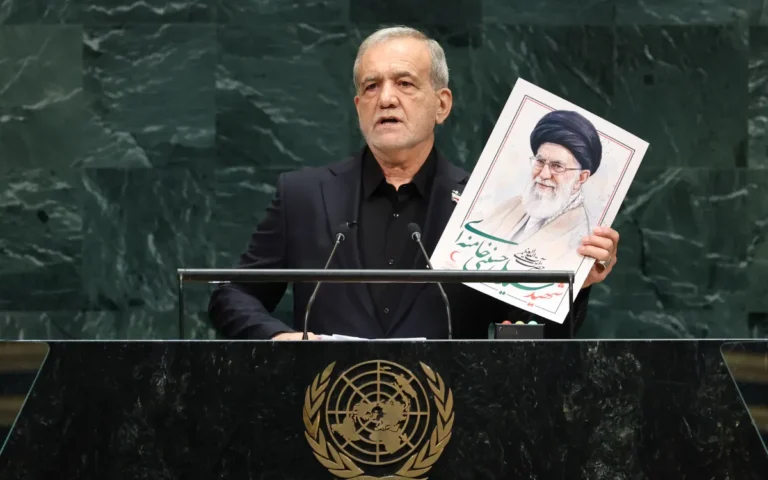
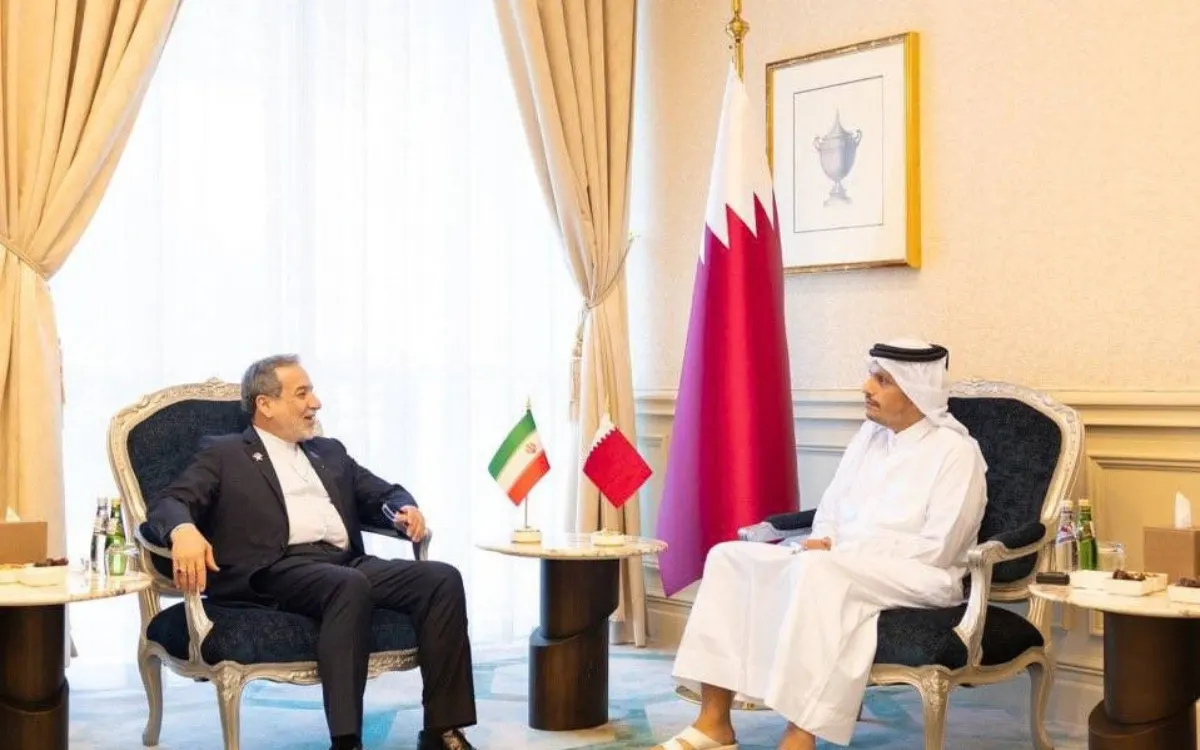
Iranian Foreign Minister Abbas Araghchi said Qatari mediators had discussed new ideas with Tehran and would convey them to Washington, with an official U.S. response expected Tuesday. Iran’s seven-day proposal links the reopening of Hormuz to conditions including an end to hostilities, sanctions relief, the release of frozen Iranian assets, and an end to the U.S. naval blockade. Washington has insisted that Iran’s nuclear program must also be addressed.
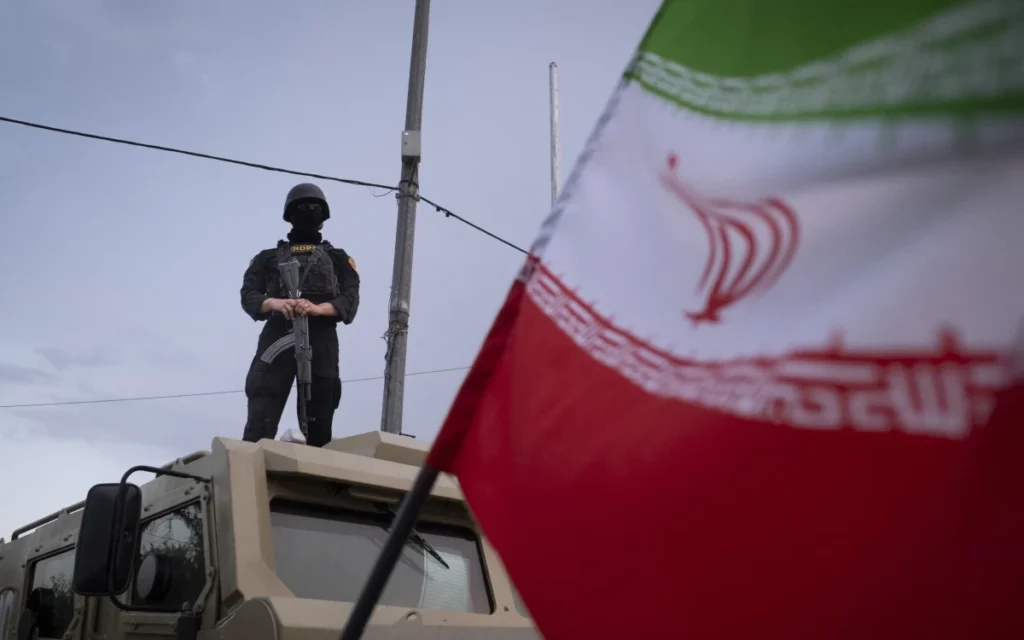
The diplomatic activity came alongside sharper warnings from Tehran. Parliament Speaker Mohammad Bagher Ghalibaf said that if Iran could not sell its oil, others would not either, adding that if Iranian security were not guaranteed, “no infrastructure will remain safe.” The IRGC separately appealed directly to Americans to distance themselves from U.S. support for Israel, portraying the conflict as one driven by Washington’s alliance with Israel.
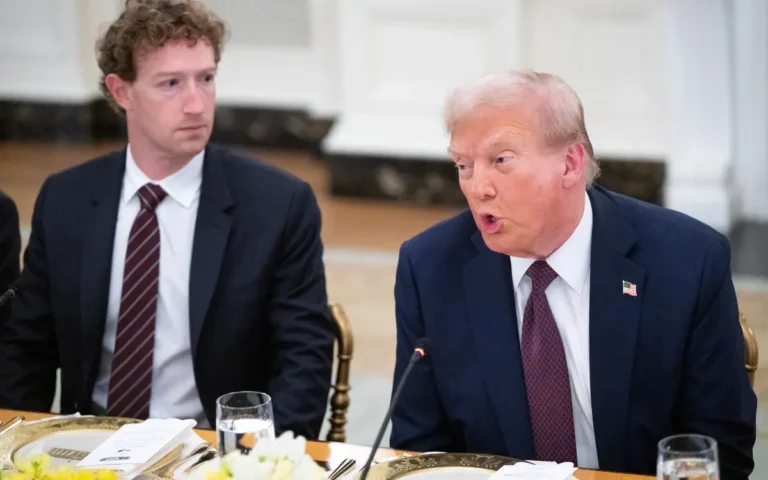
U.S. President Donald Trump, meanwhile, denied reports that Washington had offered Tehran sanctions relief and access to frozen funds in exchange for nuclear concessions. “This is untrue. I offered them NOTHING!” Trump wrote, although indirect contacts through mediators remain active.
There were also signs of selective flexibility in Washington’s pressure campaign. The United States granted Iraqi airlines a sanctions waiver allowing Iranian pilgrims to travel to and from the Shia holy city of Najaf, after Baghdad sought an exemption from restrictions affecting Iranian aviation. Separately, Turkey seized a Caspian Airlines aircraft in Istanbul over an alleged €3 million commercial debt, with no indication the action was connected to sanctions.
Regional tensions nevertheless remain elevated. Israeli Prime Minister Benjamin Netanyahu said Israel had “indications” that unspecified enemies could attempt attacks ahead of its October election, without providing details.
The competing signals suggest Washington and Tehran are testing whether economic and military pressure can produce concessions without closing the diplomatic channel. Hormuz remains the central source of leverage: Tehran can threaten regional infrastructure and energy flows, while Washington can tighten sanctions and military pressure. The significance of Qatar’s mediation will therefore depend on whether the two sides can agree on sequencing—particularly sanctions relief, maritime access, and nuclear negotiations. Until then, even limited diplomatic progress is likely to remain vulnerable to another military escalation, with oil markets and Gulf infrastructure providing the most immediate channels through which the confrontation could produce wider economic consequences. (Agencies+EIR)