Germany’s parliament approved sweeping intelligence reforms on Friday, November 13, granting its security agencies broader powers to conduct covert operations and counter foreign threats. The legislation marks a significant shift in Berlin’s approach to intelligence gathering, allowing its foreign spy agency to undertake sabotage operations and offensive cyberattacks abroad.
The reforms expand the authority of the Federal Intelligence Service (BND) to disrupt hostile operations and intercept and retain larger volumes of data. Germany’s domestic intelligence agency (BfV) will also gain additional powers, although its operational activities inside the country will remain more restricted, while targeted assassinations remain prohibited.
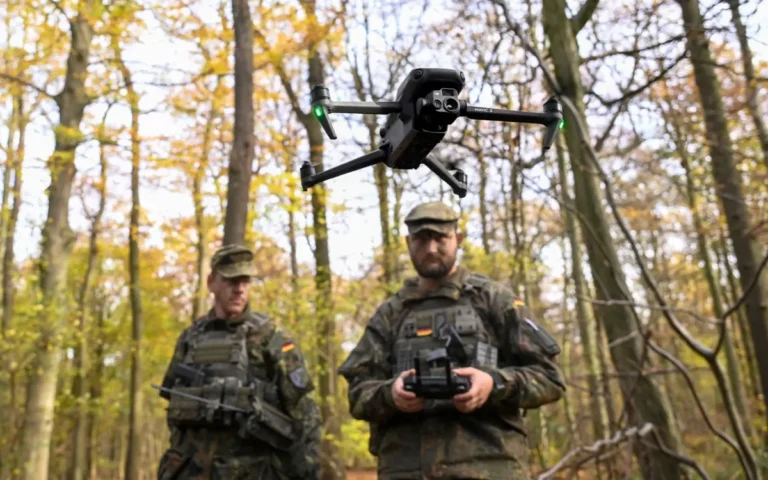
“Germany serves as an operational theatre for terrorism, extremism and foreign powers,” Interior Minister Alexander Dobrindt told lawmakers. BND chief Martin Jaeger has separately warned that Russia is conducting a “shadow war” against Germany involving espionage, sabotage, drones, and disinformation.
Germany has historically restricted its intelligence agencies largely to collecting and analyzing information, reflecting the legacy of Nazi Germany’s Gestapo and East Germany’s Stasi. The new legislation signals Berlin’s willingness to adopt more assertive intelligence capabilities as European governments confront growing concerns over Russian hybrid operations. Supporters argue that Germany needs tools comparable to those available to intelligence services in other European democracies, while critics warn that expanded surveillance and data retention could undermine privacy protections. The BfV’s broader mandate has attracted particular scrutiny, with opposition lawmakers questioning whether sufficient safeguards exist against domestic intelligence overreach.
The reforms could give Berlin greater capacity to respond directly to hostile cyber operations and sabotage rather than relying primarily on investigations and diplomatic measures. That shift also introduces the possibility of retaliation and escalation if German covert operations are detected or attributed to the state. How the agencies use their new authority, particularly against suspected Russian operations, will determine whether the legislation strengthens Germany’s defenses without creating new security or civil liberties risks. (AFP+EIR)