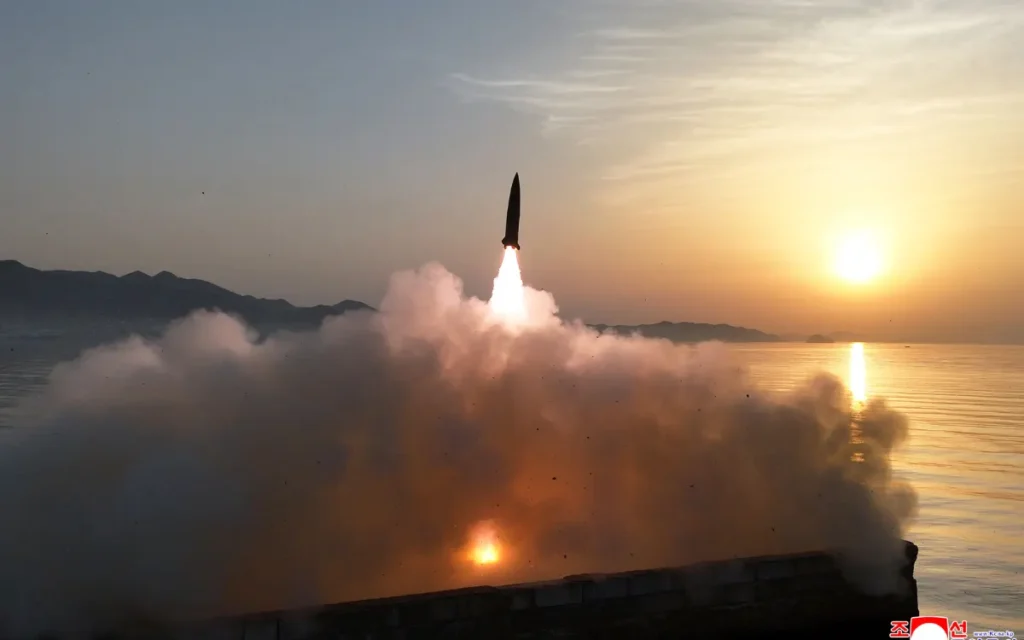

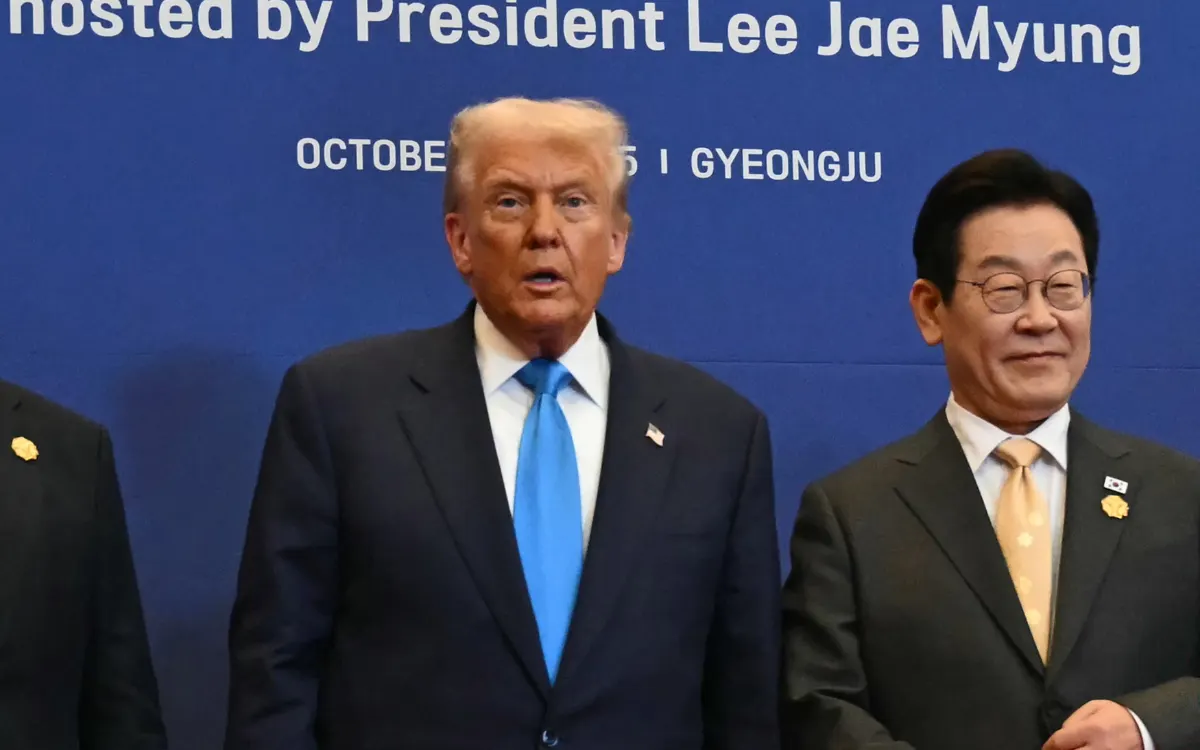
President Lee Jae Myung urged Washington to prioritize freezing North Korea’s expanding nuclear and intercontinental ballistic missile capabilities rather than demanding immediate denuclearization.
Lee proposed exchanging sanctions relief for limits on Pyongyang’s nuclear development, marking a significant departure from his predecessor’s approach as Trump seeks renewed diplomacy with Kim Jong Un. Pyongyang has yet to respond to Lee’s overtures and has strengthened ties with Russia and China, while declaring its nuclear status permanent and irreversible.
“I believe there is significant value in a trade-off between sanctions—which are not particularly effective anyway—and a stop to the development of additional nuclear weapons and intercontinental ballistic missile technology,” said Lee, speaking to a U.S. media outlet. He added that attempting to achieve denuclearization “guarantees that nothing will be accomplished.”
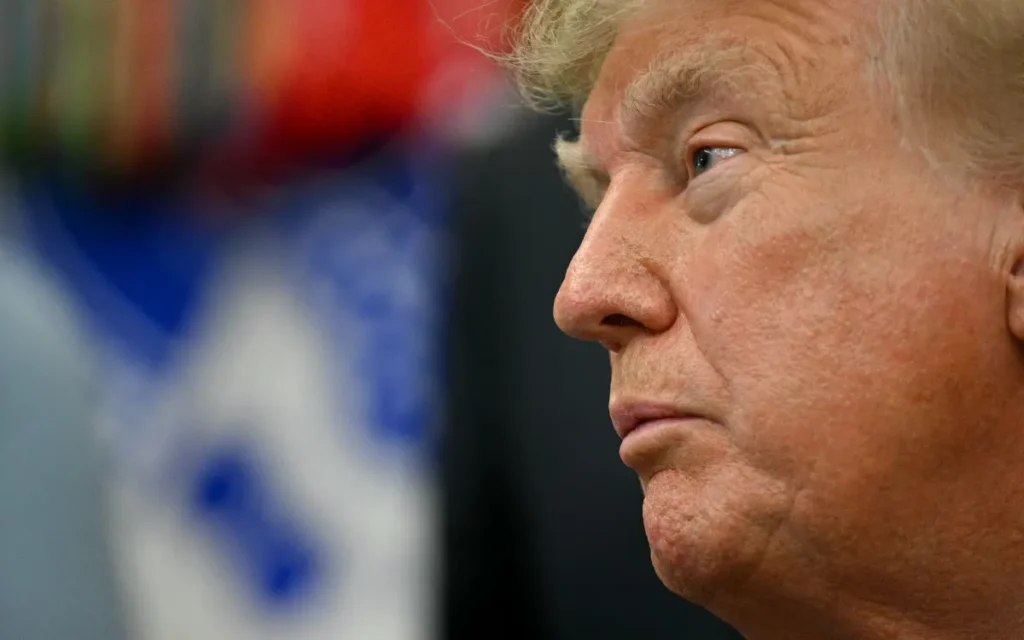
Trump met Kim three times during his first term, but their diplomacy stalled after the 2019 Hanoi summit failed to produce an agreement over sanctions relief and the steps Pyongyang would take toward denuclearization. Lee’s proposal would alter that negotiating framework by accepting limits on North Korea’s nuclear expansion as an interim objective rather than requiring immediate progress toward eliminating its existing arsenal. Critics argue that such an approach could effectively normalize North Korea’s status as a nuclear-armed state while allowing Pyongyang to obtain sanctions relief without ultimately surrendering its weapons.
Lee’s proposal reflects how significantly the strategic environment has changed since the last Trump–Kim negotiations. North Korea has continued expanding its nuclear capabilities while strengthening its relationship with Russia, potentially reducing the leverage that sanctions and diplomatic isolation once provided. A freeze-for-sanctions agreement could therefore offer Washington and Seoul a more limited route back to negotiations, but it would also shift the immediate objective of diplomacy from eliminating North Korea’s nuclear arsenal to preventing its further expansion. That would represent a significant change in how Seoul approaches the North Korean nuclear threat, even if denuclearization remains its longer-term goal. (AFP+EIR)