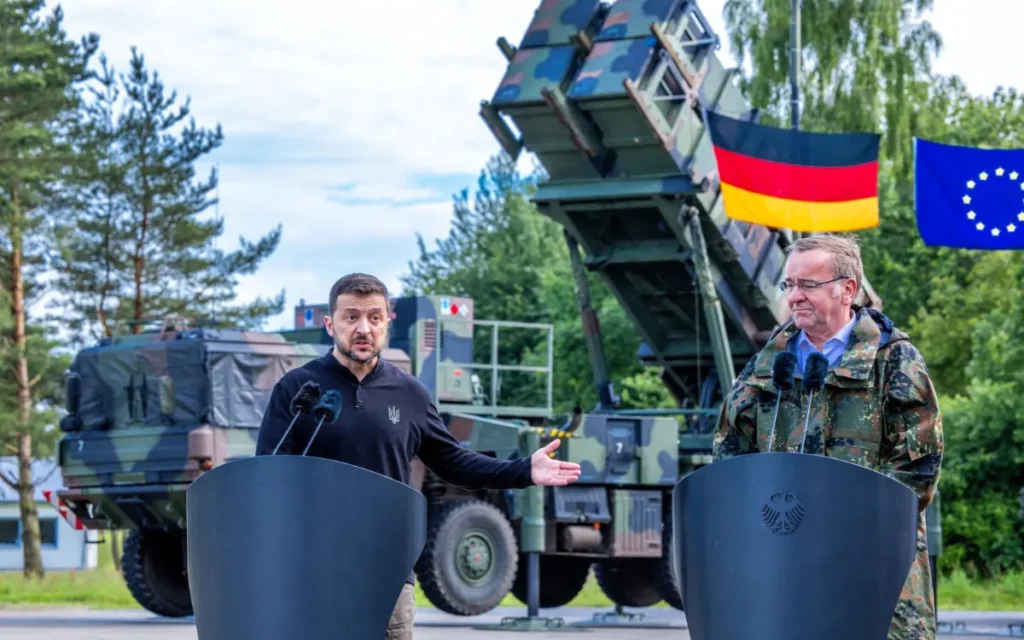

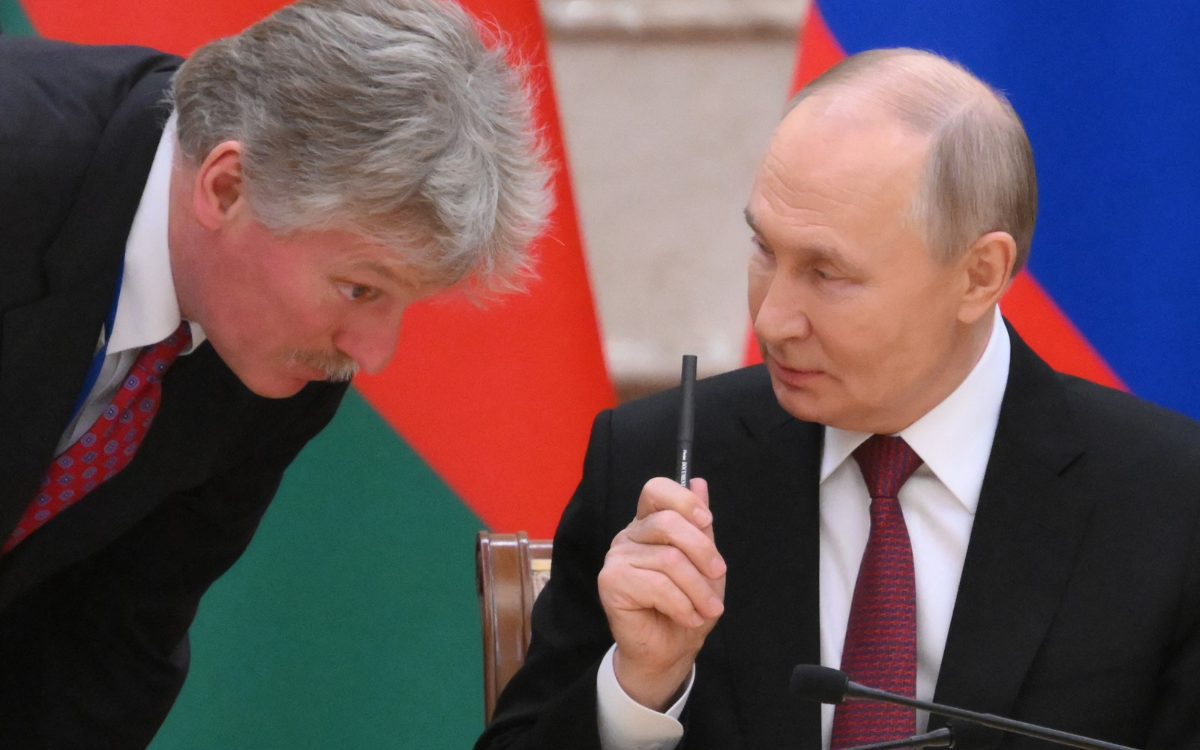
The Kremlin criticized Ukrainian President Volodymyr Zelensky on Monday for publicly disclosing details of U.S.-mediated peace discussions, underscoring tensions over how sensitive negotiations are communicated. Moscow declined to confirm or address the reported American proposal, instead emphasizing the importance of keeping diplomatic exchanges confidential.
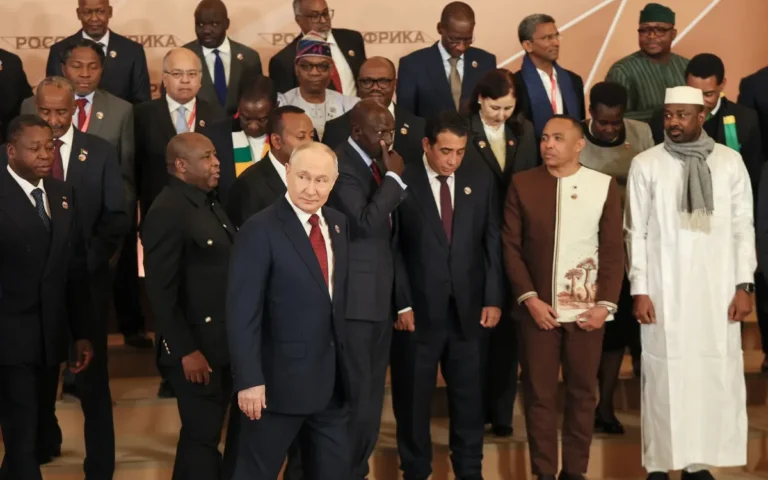
Kremlin spokesman Dmitry Peskov made the remarks after Zelensky revealed that U.S. envoys Jared Kushner and Steve Witkoff had raised the possibility of Ukraine joining NATO in exchange for withdrawing from Donbas. The envoys held talks with both sides in Abu Dhabi last week before meeting Russian President Vladimir Putin and Zelensky separately.
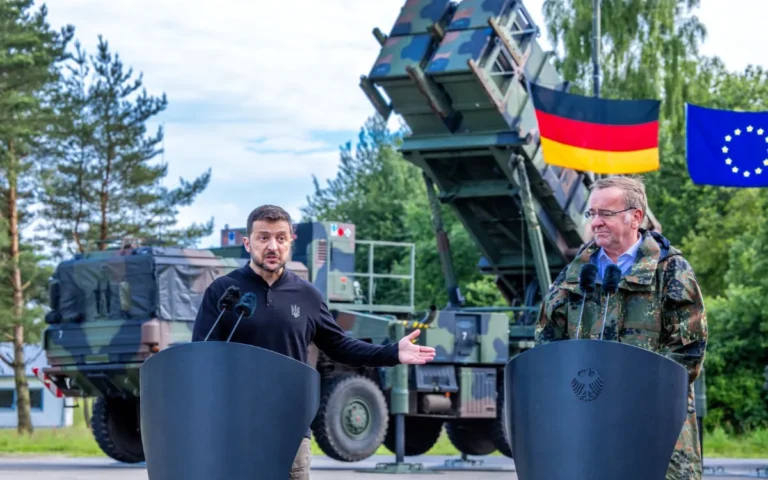
“We continue to maintain our position that it is inadvisable to disclose details of the discussions taking place between us and the Americans in the interests of the peace process,” Peskov told reporters. Zelensky had said Friday that the Americans raised the question of NATO membership in connection with a Ukrainian withdrawal from Donbas, describing it as the first time such an idea had been presented.
The exchange reveals contrasting approaches to public communication during the negotiations. Zelensky’s disclosure brought a sensitive negotiating idea into public view, while Peskov’s response avoided addressing its substance or confirming whether Washington had formally raised it with Moscow. Russia has long opposed Ukraine joining NATO, making the reported suggestion particularly contentious, but the Kremlin’s latest comments offered no indication of whether that position was being reconsidered. The discussions also illustrate the complexity of the U.S. mediation effort, which has involved joint talks in Abu Dhabi followed by separate meetings with the Russian and Ukrainian presidents.
The dispute over disclosure adds another layer of uncertainty to negotiations already divided by fundamental security disagreements. Public discussion may increase pressure on the parties to clarify their positions, while confidentiality can give negotiators room to explore ideas without committing to them. For now, Moscow’s refusal to engage with the reported proposal leaves its response unclear, highlighting the difficulty of assessing diplomatic progress when the parties differ over what should be made public. (AFP+EIR)