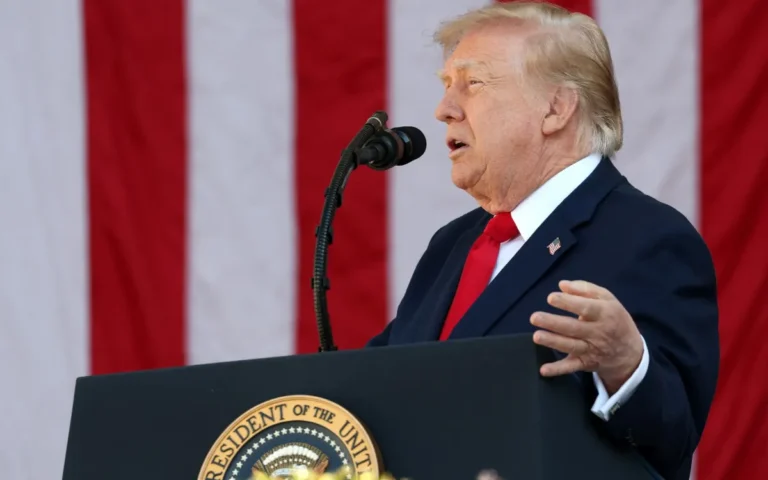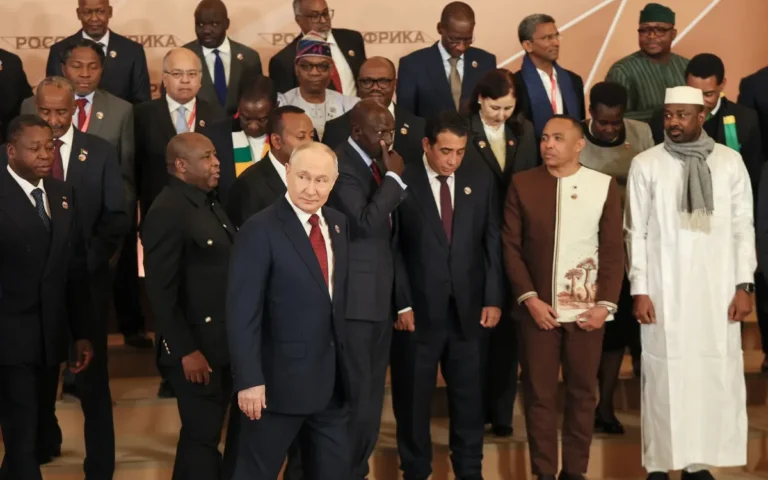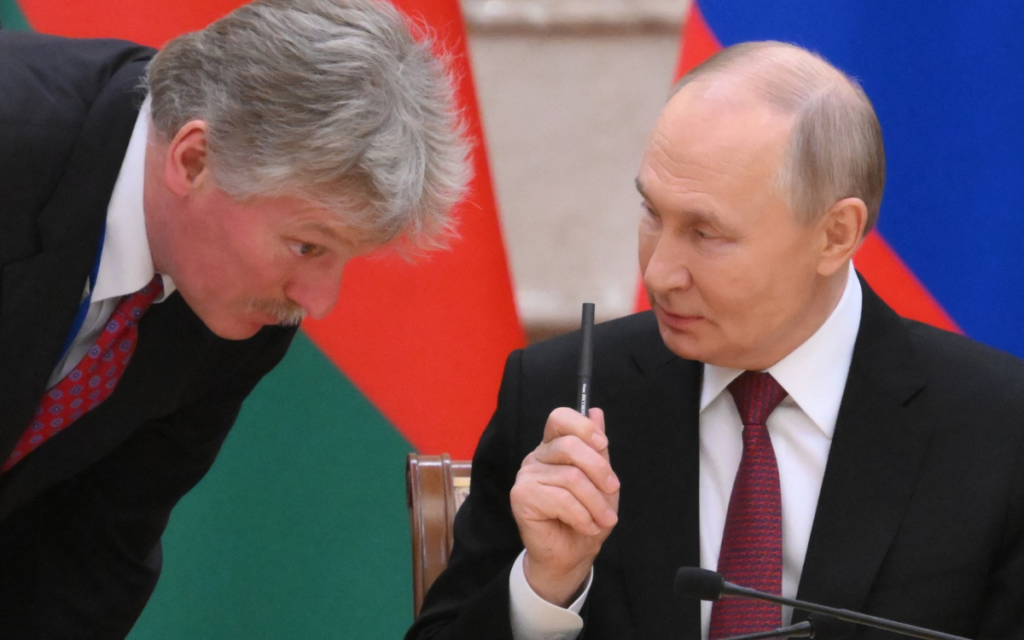

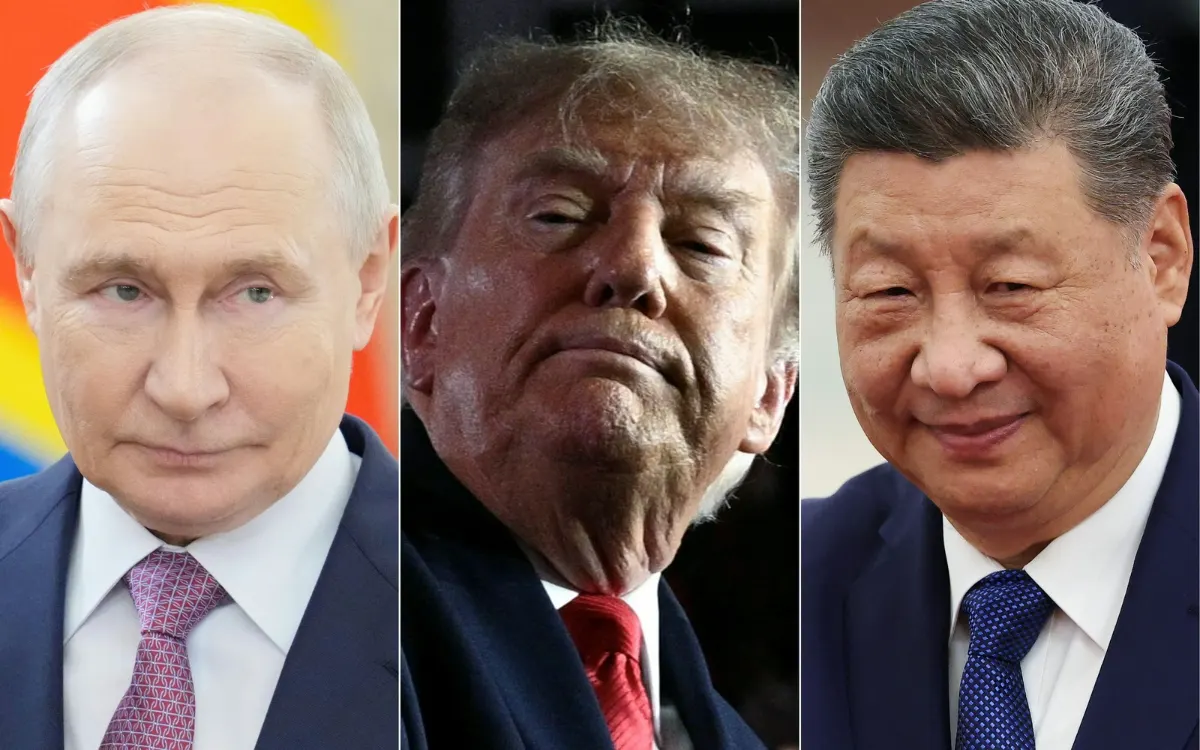
China confirmed Monday, November 16, that Presidents Xi Jinping, Donald Trump, and Vladimir Putin will meet in Shenzhen on Thursday for their first trilateral summit. The announcement turns weeks of diplomatic preparations into a confirmed meeting, although Washington does not expect Russia’s war in Ukraine to feature in the discussions.
The Chinese Foreign Ministry said the three leaders would meet on November 19, alongside the Asia-Pacific Economic Cooperation gathering in the southern Chinese city. U.S. officials said Trump intends to discuss reducing nuclear arsenals and the war in Iran, but Beijing has not announced an official agenda.
The White House and Kremlin had previously confirmed plans for the gathering.
The announcement follows earlier diplomatic contacts between Beijing, Washington, and Moscow over the proposed meeting. Separately, U.S. Secretary of State Marco Rubio and Chinese Foreign Minister Wang Yi discussed possible nuclear negotiations involving all three powers. China has resisted joining such negotiations, arguing that Washington and Moscow must first reduce their substantially larger arsenals. Meanwhile, German President Frank-Walter Steinmeier said Xi had expressed irritation at suggestions that Ukraine should feature in the trilateral talks, insisting that Europeans must participate in discussions concerning their own continent.
The summit gives Beijing an opportunity to host its two principal nuclear counterparts while testing whether their competing interests allow any meaningful agreement. Iran offers a possible area of diplomatic engagement, but nuclear arms control presents a deeper obstacle because China rejects negotiations that treat its arsenal as equivalent to those of Washington and Moscow. Ukraine’s expected exclusion also leaves a significant European security dispute outside the formal agenda. The meeting’s significance will rest less on the historic photograph of three presidents together than on whether they can establish a diplomatic process that survives their disagreements. (AFP+EIR)