
International Monetary Fund (IMF) chief Kristalina Georgieva warned that escalating Houthi attacks on Saudi Arabia could have worldwide economic consequences as renewed fighting threatens energy infrastructure and regional stability.
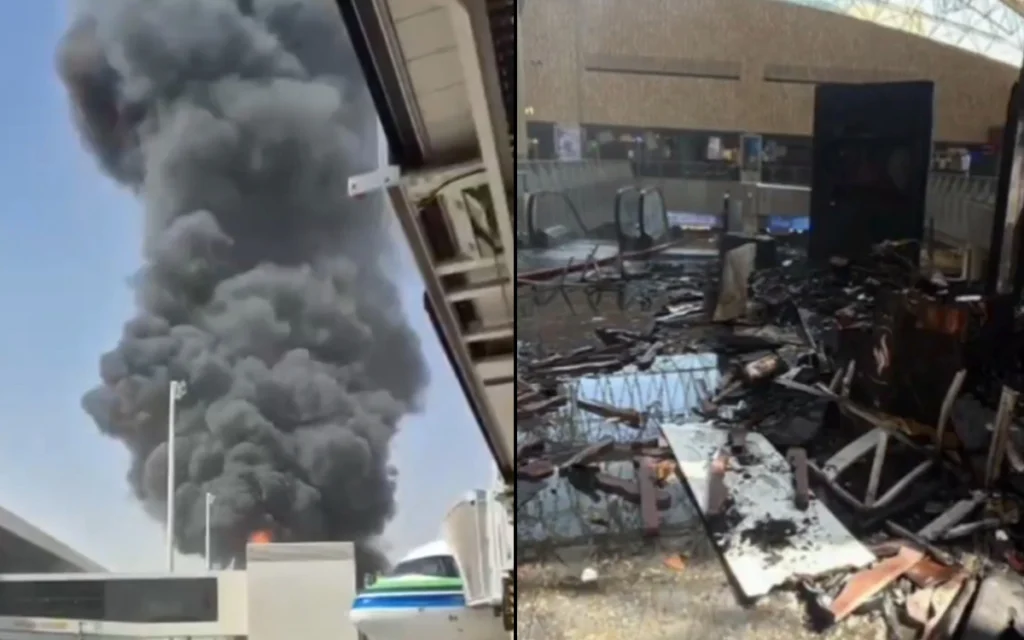
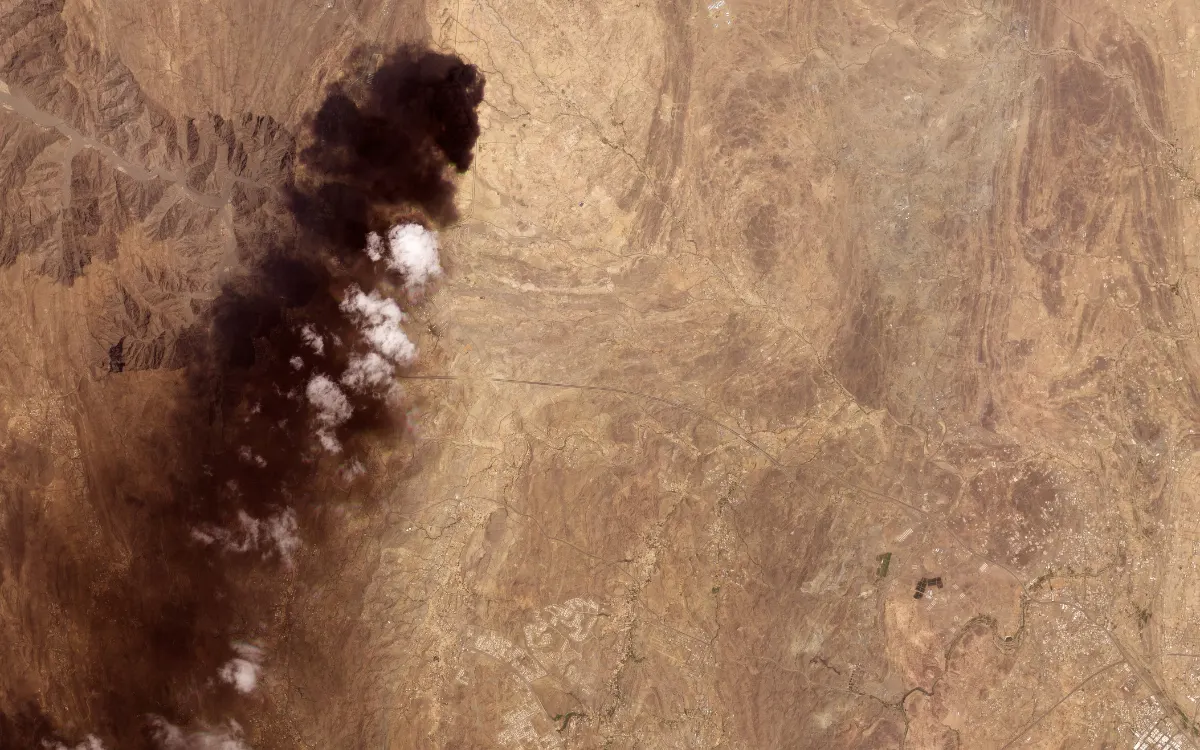
Saudi authorities said an attack on an Aramco administrative building in Dhahran caused a limited fire Tuesday, without casualties. Debris from two intercepted Houthi missiles injured four people in Riyadh and damaged 15 homes. The incidents followed a weekend attack on Riyadh’s international airport that killed 13 people and disrupted operations.
“The Saudi economy is important for the region and the world,” Georgieva said during the IMF and World Bank Annual Meetings in Bangkok. “In that sense, these developments have potentially negative spillovers for everybody, everywhere.”
The latest attacks mark another escalation in the conflict between Yemen’s Houthis and the Saudi-led coalition, which has supported Yemen’s government against the group since 2015. Saudi forces struck oil facilities in Sanaa, Dhamar, and Saada on Tuesday, describing them as infrastructure supporting Houthi military operations. Before attacking a Yemen Petroleum Company facility near Sanaa, the coalition issued an evacuation warning that prompted residents to queue at fuel stations over fears of shortages. Yemen’s internationally recognized government also signaled its intention to continue military operations, with Presidential Leadership Council Chairman Rashad al-Alimi pledging to pursue the campaign until state authority was restored. Meanwhile, Houthi media reported allegations of civilian casualties from Saudi artillery fire in Saada and condemned strikes on petroleum facilities.
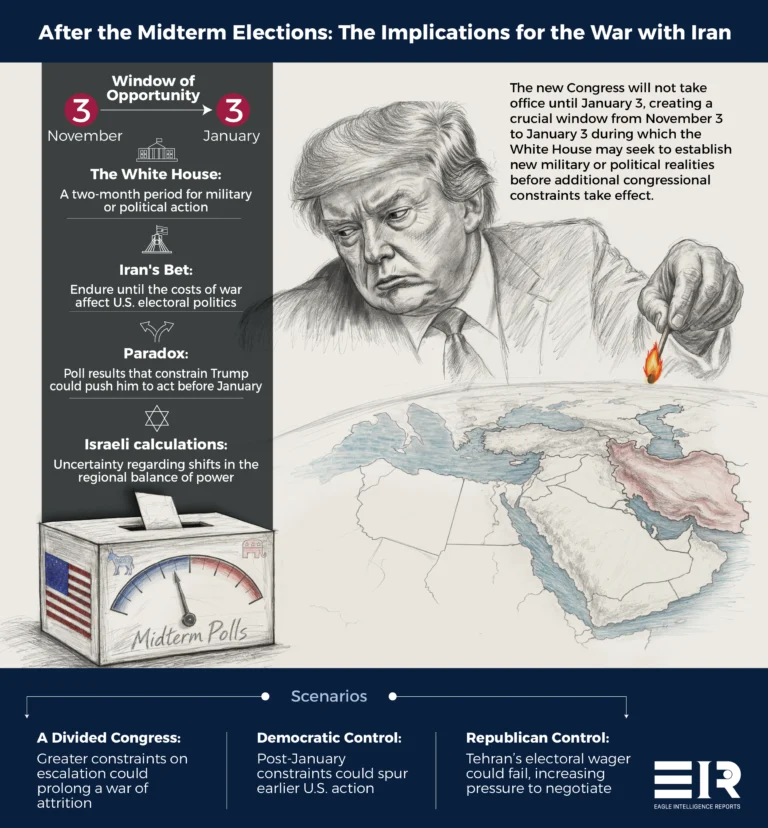
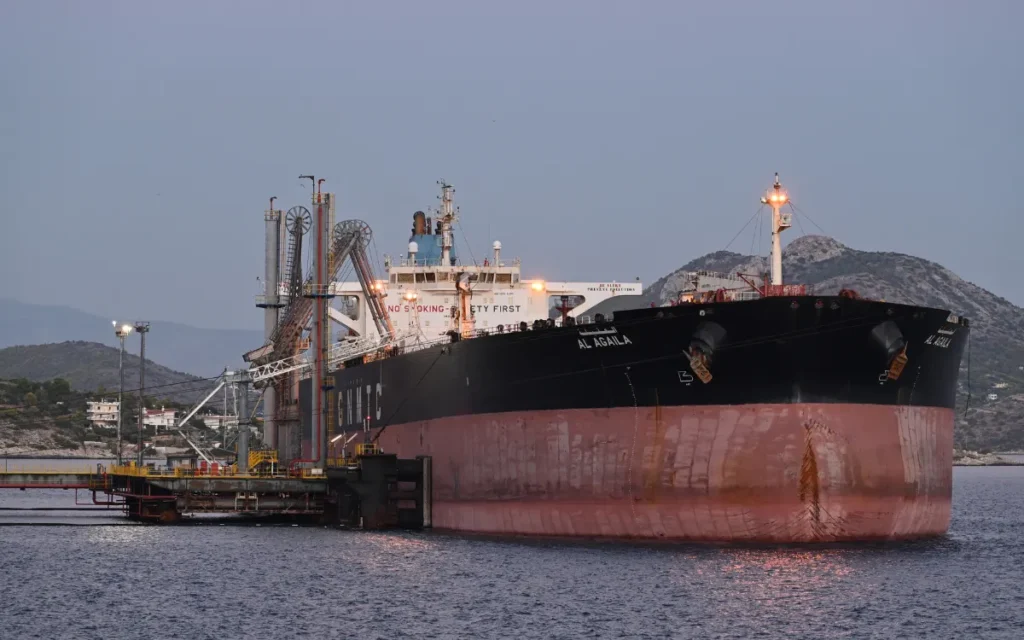
The escalation compounds economic pressures already facing Saudi Arabia and the wider Middle East amid disruptions to energy shipments through the Strait of Hormuz. The IMF expects Saudi Arabia’s economy to contract by 3.3% in 2026, reflecting the broader economic consequences of regional instability. Renewed attacks on Saudi energy infrastructure introduce additional uncertainty over oil supplies, while Houthi threats against Red Sea shipping place an alternative export route under pressure. The confrontation has also raised the possibility of direct American involvement, with President Donald Trump considering joining Saudi strikes against the Houthis after November’s midterm elections. Houthi political bureau member Mohammed al-Bukhaiti warned that U.S. intervention would prompt attacks on American interests in the region. These developments add a potential U.S.–Houthi confrontation to an already expanding regional conflict, increasing uncertainty over energy security and maritime trade. (Agencies+EIR)