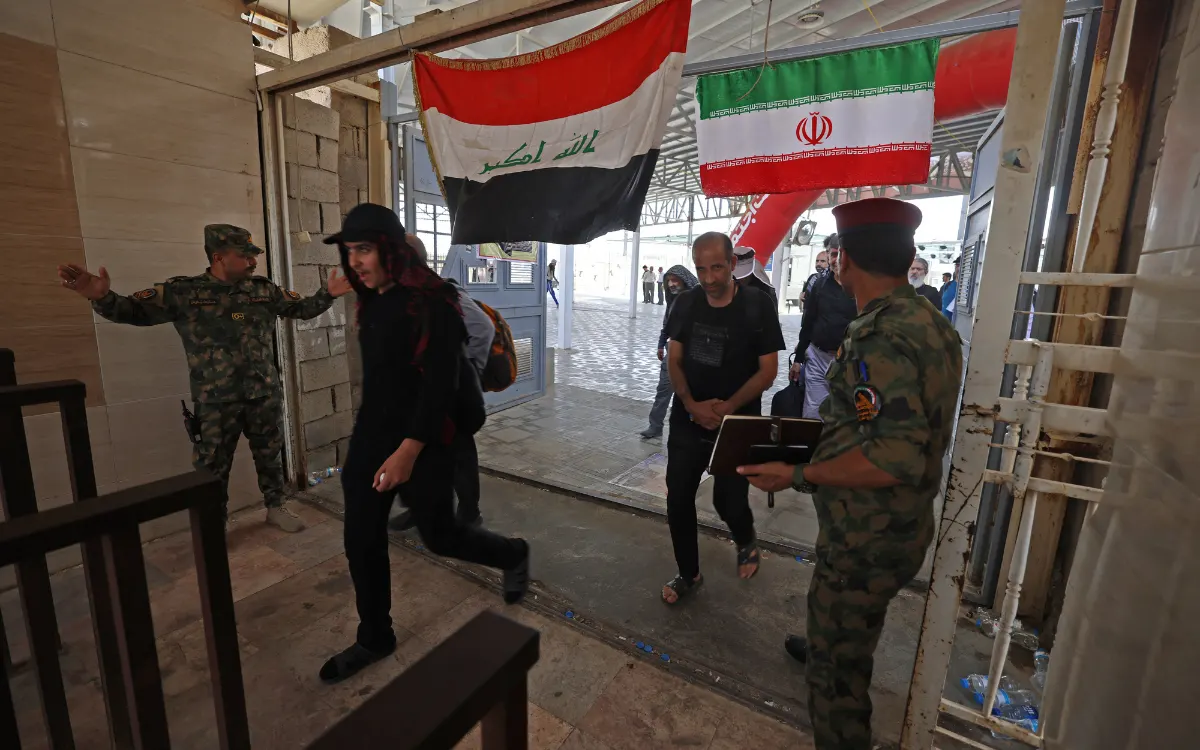
Iraq has closed a border crossing with Iran amid reported U.S. pressure to restrict cross-border trade, highlighting Baghdad’s increasingly difficult position between Washington and Tehran.
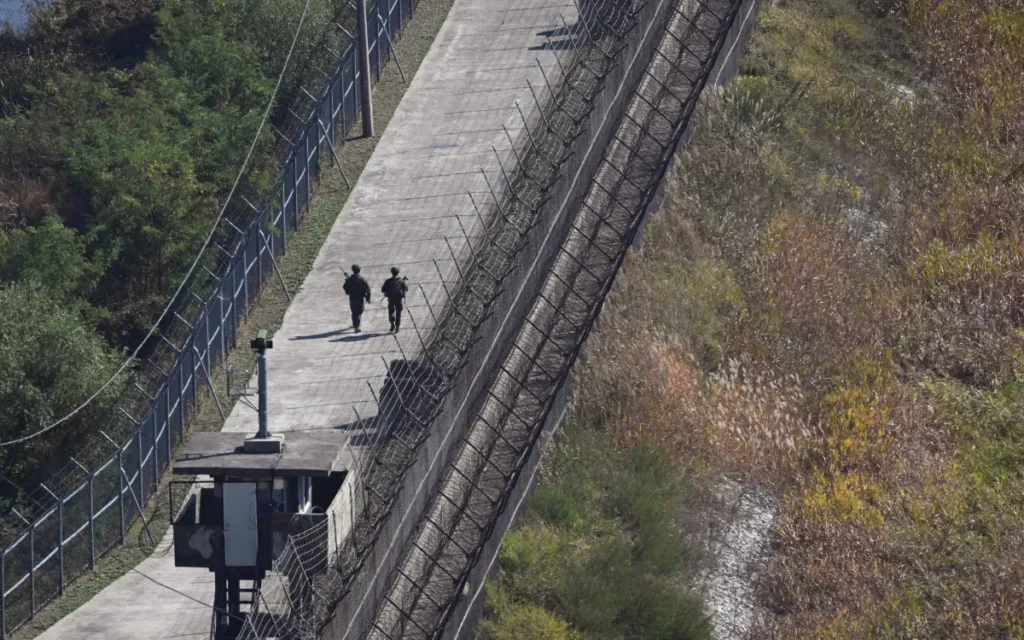
An Iraqi border official told French media on Wednesday that the al-Sheeb crossing had been shut indefinitely, without providing a reason. Iran’s judiciary confirmed the closure, attributing it to a decision by the Iraqi prime minister’s office. Two Iraqi political sources said Washington was pressing Baghdad to close additional crossings as part of efforts to increase economic pressure on Iran.
“The U.S. Treasury Department raised this with (Prime Minister Ali) al-Zaidi when he was in New York,” one political source told French media, referring to the Iraqi leader’s attendance at the UN General Assembly last month.
The reported pressure comes as Washington seeks to tighten economic restrictions on Tehran following the outbreak of the Middle East war in February. Iraq and Iran maintain extensive political, religious, and economic ties, sharing a border stretching more than 1,400 kilometers and connected by at least eight official crossings. One Iraqi source claimed that the United States wanted all crossings closed except one in federal Iraq and another in the semi-autonomous Kurdistan region. A second source said Washington had made similar requests to other countries bordering Iran. Iranian authorities have also acknowledged disruptions to exchanges along the Pakistani border, although an interior ministry spokesperson noted that such interruptions can occur independently of war or sanctions.
Further border closures would test Baghdad’s ability to balance its economic relationship with Iran against pressure from Washington. Restricting crossings could disrupt established trade routes and increase the economic costs of regional confrontation, while potentially creating friction between the Iraqi government and Tehran. The immediate questions are whether Baghdad will close additional crossings, whether exemptions will preserve essential commercial exchanges, and how Iran will respond. The broader significance lies in whether U.S. economic pressure can reshape Iraq’s border policy without destabilizing a relationship central to the country’s regional position. (AFP+EIR)