
Denmark’s Defense Intelligence Service said there is a low but growing risk that Russia could launch a limited military attack against one or more neighboring NATO countries.
The head of the Danish spy agency, Thomas Ahrenkiel, said the DDIS considers a full invasion “highly unlikely” but “we cannot rule it out.” The agency also assessed that Russia would conduct more “hybrid attacks” against the West.
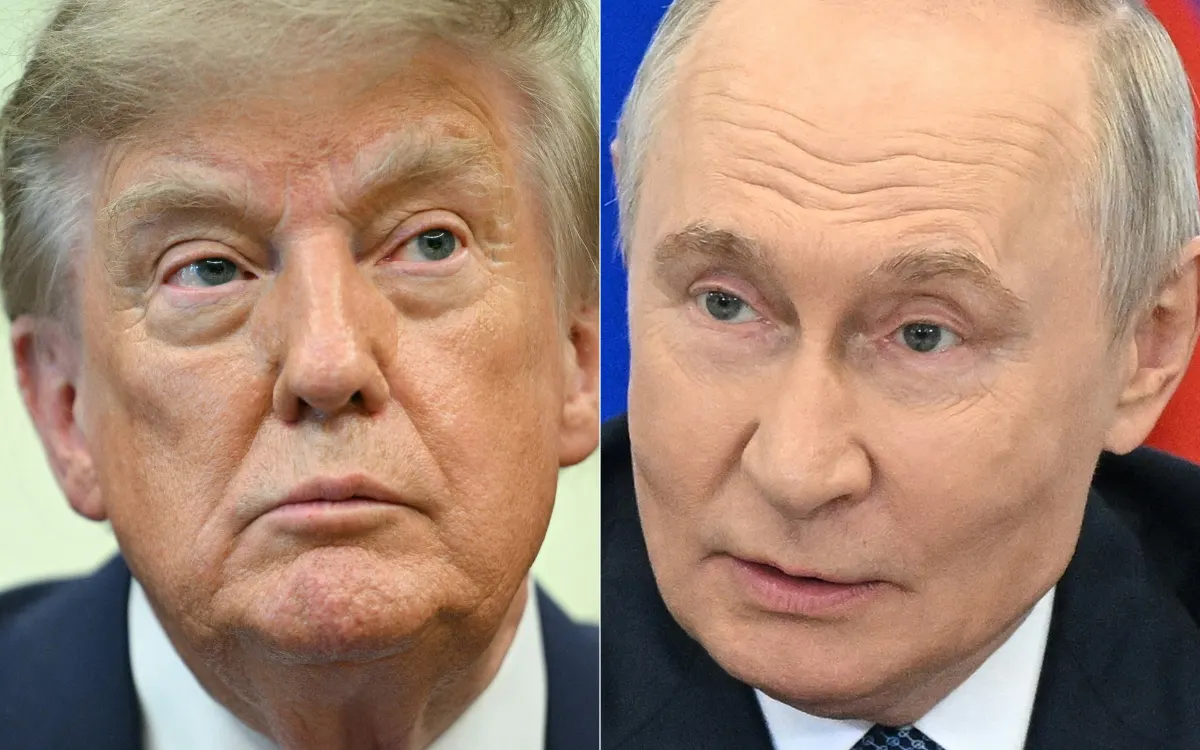
The statements come amid growing fears that Russia will intensify operations including sabotage and destructive cyberattacks aimed at disrupting Western military support and transport links to Ukraine. Meanwhile, Russia said it would consider U.S. President Donald Trump’s invitation for President Vladimir Putin to attend the G20 summit in Miami in December, although Kremlin spokesman Dmitry Peskov said no decision had been made. The invitation creates the possibility of another high-level U.S.–Russia encounter as Washington seeks an agreement over the Ukraine war, with Britain, France, and Germany—three prominent supporters of Kyiv—also represented in the G20.
The European Union said it would continue using G20 meetings to condemn Russia’s invasion of Ukraine regardless of whether Putin attends. An EU spokesman noted that Russia remains a G20 member and therefore has the right to participate in meetings at both the ministerial and leaders’ levels.
The developments highlight increasingly different pressures shaping Western policy toward Russia. While European security concerns are growing over potential Russian military and hybrid activity, the EU is maintaining diplomatic pressure over Ukraine, and Washington is simultaneously pursuing engagement with Moscow in search of an agreement to end the war. A potential Putin appearance at the G20 would bring those approaches into the same forum, testing whether renewed U.S.–Russia diplomacy can advance without deepening tensions with European allies focused on deterring Moscow and sustaining support for Kyiv. (AFP+EIR)