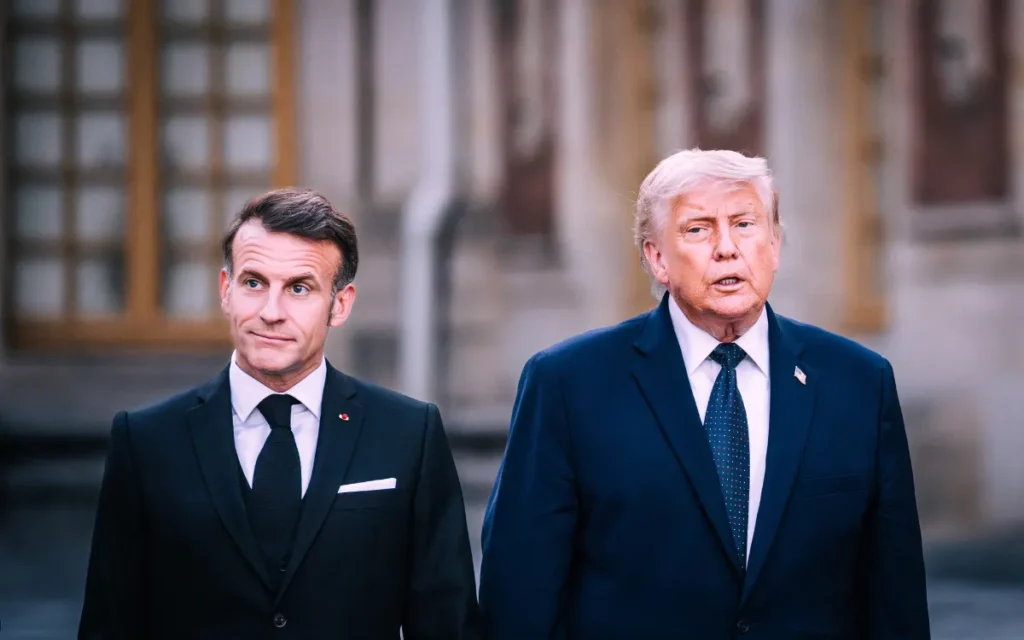
The summit between President Donald Trump and his Chinese counterpart Xi Jinping will test the fragile U.S.-China trade truce, which was recently extended for two more months, through January 10.
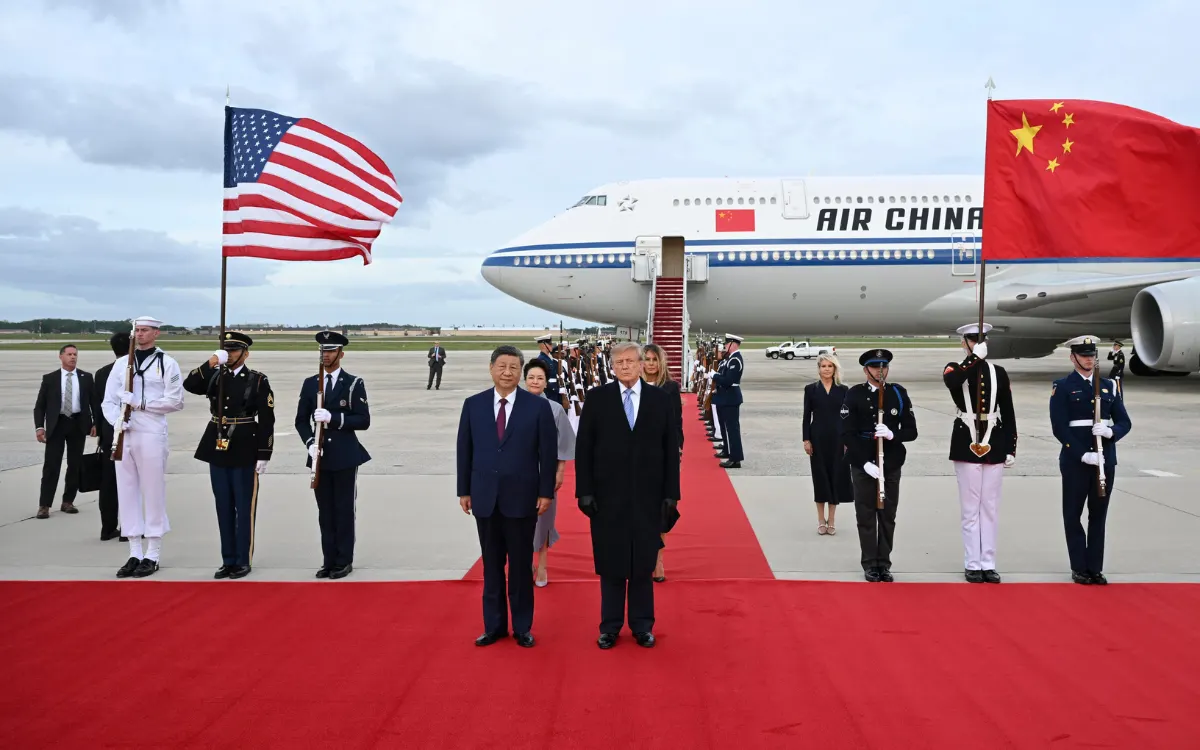
As Xi arrived in Washington, Trump personally greeted him at Joint Base Andrews, a rare diplomatic gesture that underscored the importance Washington is placing on the visit, during which the two leaders will hold talks focused on trade, artificial intelligence (AI), and the Middle East war.
According to U.S. Treasury Secretary Scott Bessent, the “economic détente” will extend past its November 10 deadline to January 10. Discussions with his Chinese counterpart He Lifeng before the presidents’ summit included talks on creating a communication channel for AI concerns, amid warnings that the technology could wipe out humanity.
“Our two countries should be partners rather than rivals,” Xi said in written remarks published by China’s state media, adding that “the Chinese and U.S. people have enjoyed long-standing friendly exchanges, and our interests are deeply intertwined.”
Asian markets were mixed ahead of the summit, with investors looking for signs of deeper economic cooperation, while oil prices remained sensitive to developments in the Iran war. Trump has confirmed that the Iran war will feature in the talks, as uncertainty over energy flows through the Strait of Hormuz continues to drive swings in oil prices. The conflict adds another source of friction to the relationship amid allegations of Chinese support for Tehran, which Beijing denies, while Washington has sought greater Chinese cooperation in pressuring Iran. China’s extensive economic ties with Tehran give Beijing potential leverage, although it has so far resisted U.S. efforts to push it toward stronger action. Taiwan also remains a persistent strategic fault line between Washington and Beijing despite the effort to stabilize broader bilateral relations.
The Trump–Xi summit offers both leaders an opportunity to stabilize economic ties, but the two-month truce extension does not resolve the underlying trade dispute between the world’s two largest economies. The broader test will be whether the visit can establish a more managed form of U.S.–China competition across trade, technology, and geopolitical disputes, or merely prolong a temporary economic and technological truce. With Taiwan unresolved and differences over Iran adding to existing tensions, the durability of any stabilization will depend on whether Washington and Beijing can prevent those strategic disputes from undermining the limited areas in which they are seeking cooperation. (AFP+EIR)