
Domestic pressures over public services and housing, exacerbated by broader geopolitical instability, are driving protests in France and Spain, turning long-running cost-of-living concerns into political tests ahead of national elections.
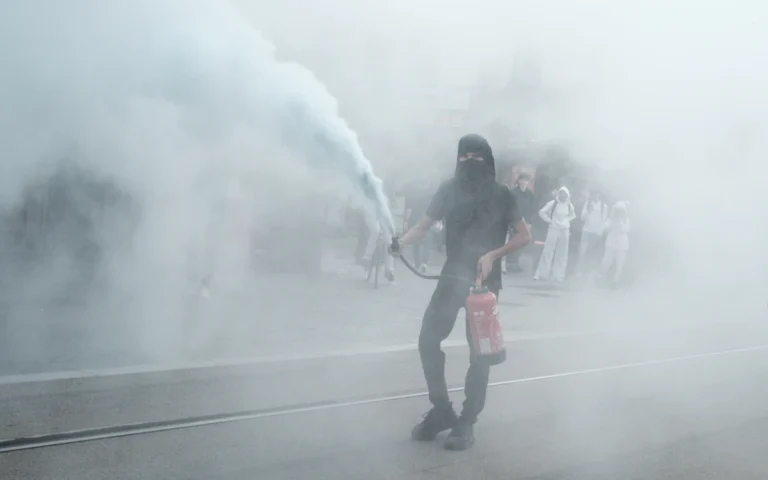
In France, high school students have blocked hundreds of schools since late September over teacher shortages, overloaded schedules, deteriorating facilities, and classrooms poorly equipped for rising temperatures. Education unions have backed the movement and called a general strike Thursday, while students are demanding direct talks with Prime Minister Sebastien Lecornu. In Spain, anger over unaffordable housing intensified after the September 23 eviction of 87-year-old Maricarmen Abascal from her longtime Madrid home. Abascal, who died Wednesday, became a symbol of the country’s housing crisis after her eviction triggered nationwide demonstrations and a protest camp in Puerta del Sol. “We want real action, and until we get it, we’ll keep mobilizing,” Marilou, a high school student in the French town of Fontainebleau, said. Lecornu has promised a government response by the end of October, acknowledging that the “anger of young people does not come from nowhere.”
The French protests have become increasingly politically sensitive ahead of the 2027 presidential election to replace Emmanuel Macron. Hundreds of students, teachers, and police have been injured, more than 6,500 people—mostly minors—have been arrested, and allegations of excessive police force have prompted 18 internal investigations. The unrest has also acquired a diplomatic dimension, with Paris summoning Iran’s ambassador after Tehran criticized French police tactics and France accused Iran of spreading disinformation. In Spain, housing pressures have already precipitated an early election: Prime Minister Pedro Sanchez called a November 29 vote after his minority government failed to pass measures including tighter eviction restrictions, automatic tenant contract renewals, and a ban on “speculative” home purchases.
The parallel crises show how domestic economic pressures and strains on public services are becoming broader tests of political stability in two major European states. France faces the prospect that sustained youth unrest and controversy over policing will intensify an already sensitive pre-election environment, while Spain’s housing crisis has directly contributed to an early national vote. Younger people are central to both disputes, confronting deteriorating education conditions in France and housing costs that have outpaced wages in Spain. With elections approaching, the effectiveness of government responses could help determine whether these grievances subside or become a more sustained source of political instability. (AFP+EIR)