
South Korea said Thursday that reported fuel shipments from its ports to Russia would not in themselves breach Seoul’s export restrictions, pushing back against Ukrainian criticism while authorities investigate the cargoes’ origins and routes.
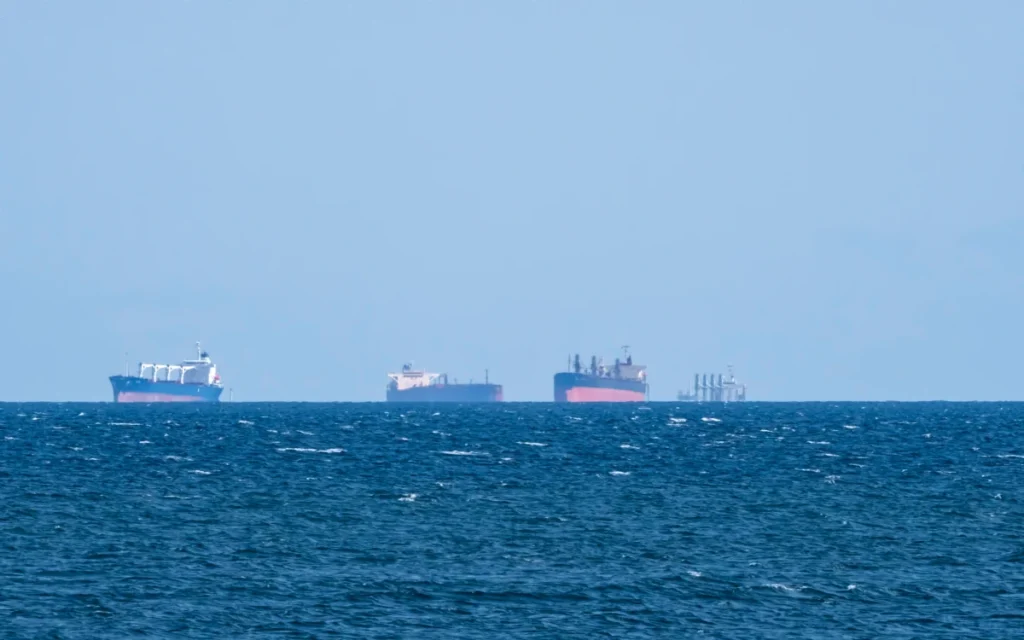
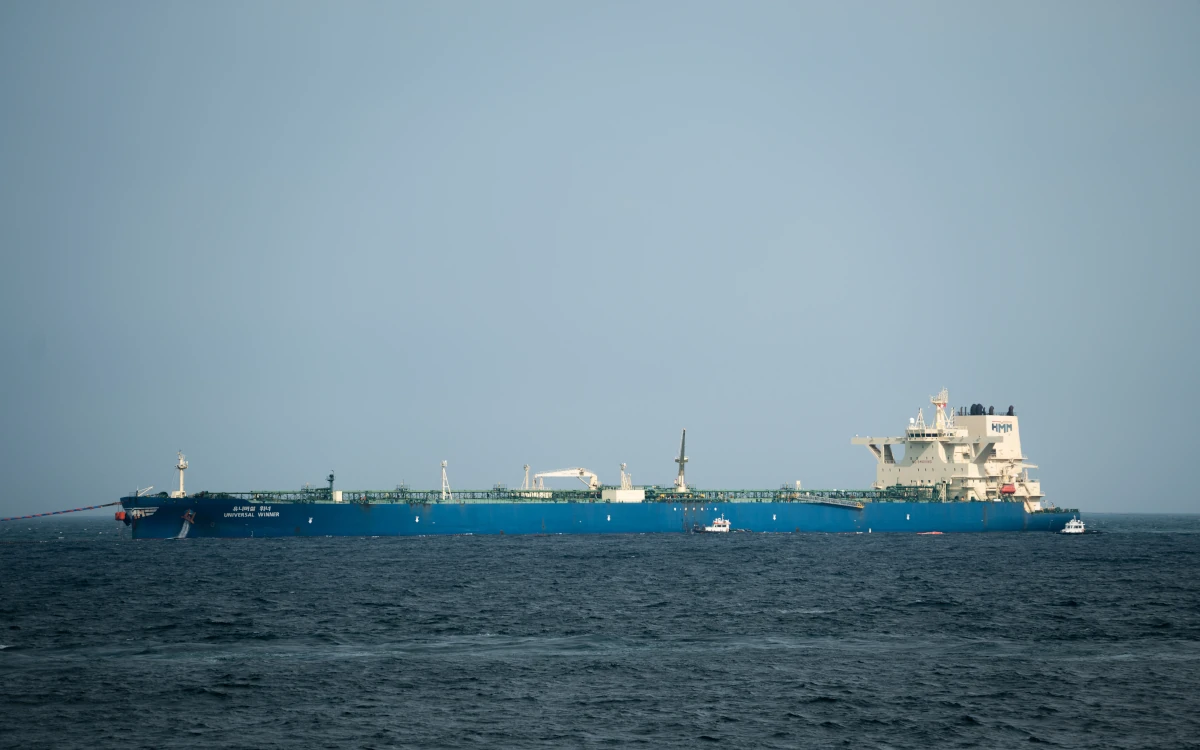
More than 176,000 tons of fuel, primarily diesel, were reportedly loaded at South Korean ports in July and August onto seven tankers that subsequently traveled to Russia, including three vessels reportedly under sanctions. Seoul said authorities have not established the fuel’s country of origin or ultimate purchasers and are examining the vessels’ movements for possible violations of domestic law.
“Refined petroleum products, including commercial diesel and aviation fuel, are not subject to South Korea’s export controls against Russia,” the Foreign Ministry said. Seoul also said its overall exports to Russia have fallen by more than half since Moscow’s full-scale invasion of Ukraine began in 2022.
The dispute adds another source of friction to already strained relations between Seoul and Kyiv. Tensions intensified last month after Ukrainian President Volodymyr Zelensky disclosed that two captured North Korean soldiers had been transferred to South Korea, which Seoul described as a unilateral announcement that endangered the prisoners’ families. President Lee Jae Myung subsequently demanded a public apology, while Ukrainian Foreign Minister Andriy Sybiga described the episode as a “diplomatic misunderstanding.” The fuel controversy has added to those tensions after a Zelensky adviser said the reported shipments sharply contradicted South Korea’s sanctions policy, an accusation Seoul rejected as inaccurate and inappropriate. North Korea has meanwhile become an important Russian ally, providing troops for Moscow’s war effort in exchange for economic benefits and military technology.
The controversy risks complicating South Korea’s effort to support Ukraine while maintaining a sanctions regime whose restrictions do not cover every category of trade with Russia. The central issue is therefore shifting from whether the fuel itself was prohibited to whether sanctioned vessels, routing arrangements, or other aspects of the shipments breached South Korean law. Seoul’s investigation could determine whether the episode remains primarily a diplomatic dispute or develops into a sanctions-enforcement issue. With relations already damaged by the handling of the North Korean prisoners, the findings could also influence how effectively Seoul and Kyiv coordinate over Russia and North Korea. (AFP+EIR)