
South Korea has demanded an official apology from Ukraine, accusing Kyiv of breaching a confidentiality agreement over the transfer of two North Korean prisoners of war to Seoul and subsequently denying that the agreement existed.
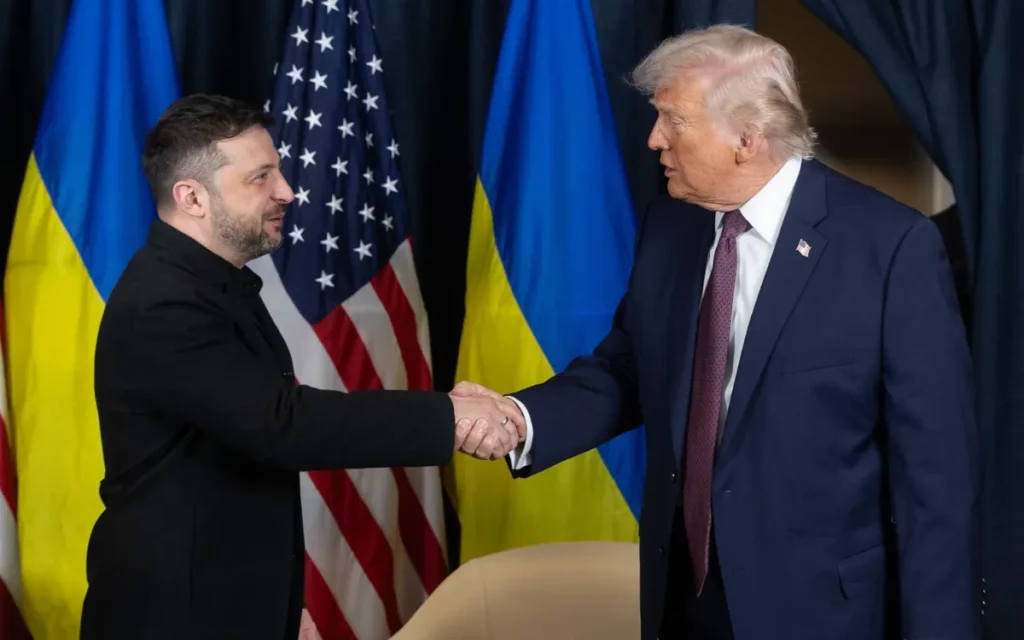
Ukrainian President Volodymyr Zelensky disclosed the transfer during an address to the UN General Assembly in New York last week, saying the soldiers were “not easy to capture alive.” South Korea says the transfer was supposed to remain confidential, and Seoul is now considering unspecified additional measures in response to the disclosure.
“The presidential office expresses strong regret over Ukraine’s unilateral disclosure and its subsequent false announcement that there had not been a non-disclosure agreement,” South Korean presidential official Seong Ghi-hong said, adding that the episode “seriously undermines trust between the two governments and gravely damages friendly relations between the two countries.”
The two soldiers were captured by Ukrainian forces early last year among North Korean troops deployed to support Russia. South Korea, which considers North Koreans to be citizens under its constitution, had previously appeared hesitant to take custody of the prisoners as President Lee Jae Myung pursued improved relations with Pyongyang.
The dispute comes at a sensitive point in Ukraine–South Korea relations. Seoul has supported Kyiv with nonlethal assistance but has stopped short of supplying lethal weapons, while Ukraine has sought defensive weapons from South Korea, particularly as North Korea has deployed troops to support Russia.
The fallout could extend beyond the immediate diplomatic dispute. For Seoul, confidentiality was intended to limit potential repercussions for the prisoners’ families in North Korea and fits Lee’s effort to avoid further confrontation with Pyongyang. For Kyiv, maintaining South Korean trust is increasingly important as North Korea expands its support for Russia and Ukraine seeks greater military assistance from Seoul. Whether South Korea’s threatened additional measures affect bilateral cooperation or its consideration of supplying defensive weapons will show if the dispute remains diplomatic or begins to constrain their emerging security relationship. (AFP+EIR)