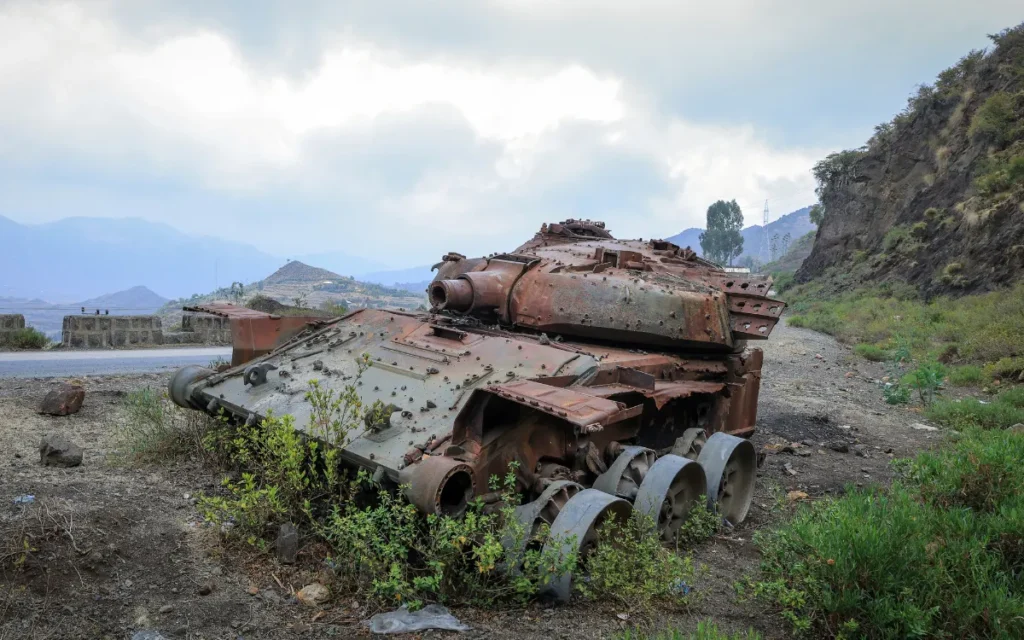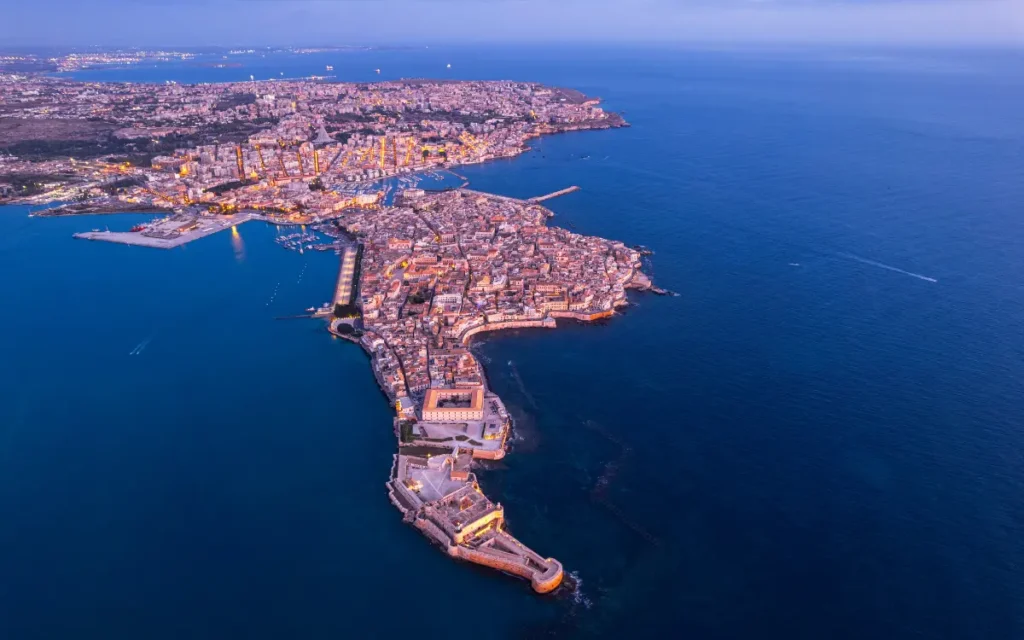

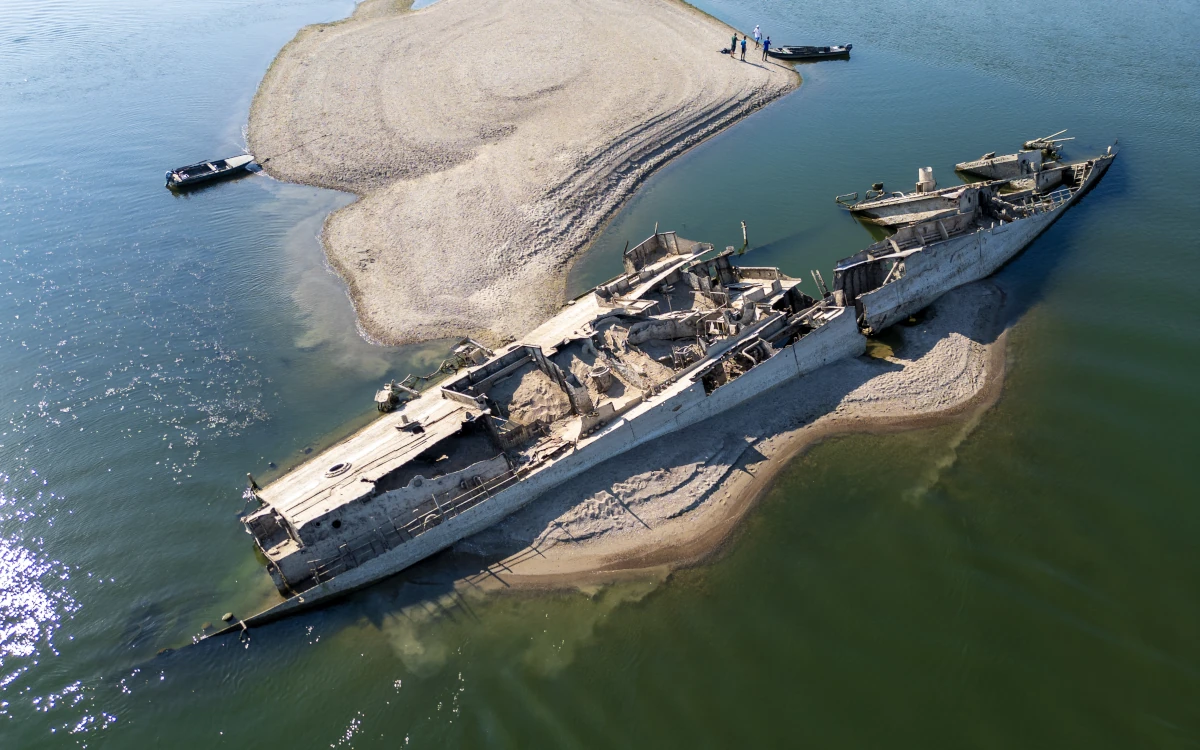
Europe’s rivers are running low, and the effects are spreading far beyond their banks. Extreme heat and drought are disrupting trade, energy production, agriculture, and critical infrastructure across the continent.
The Rhine River could soon become unnavigable for cargo vessels, with record-low water levels persisting since the end of July. The impact on the Rhine already means reduced loads and higher costs for cargo ships, as Europe’s transport and trade networks become increasingly vulnerable to water shortages. Meanwhile, Poland’s Vistula River dropped to a historic low in Warsaw, forcing the shutdown of several generating units at two coal-fired power plants.
Drought and Fires Cause Political Pressure
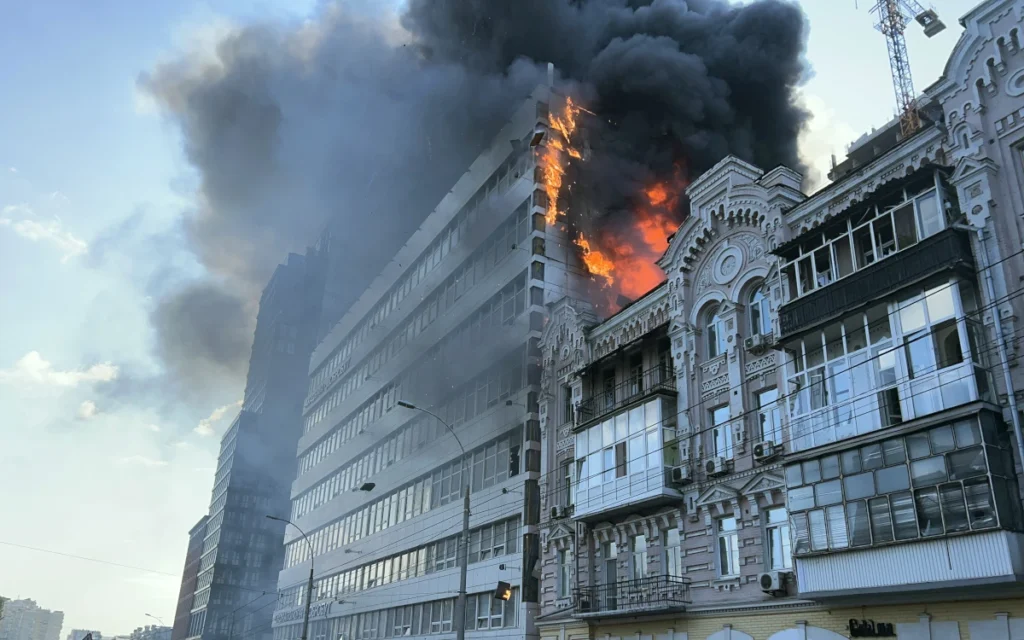
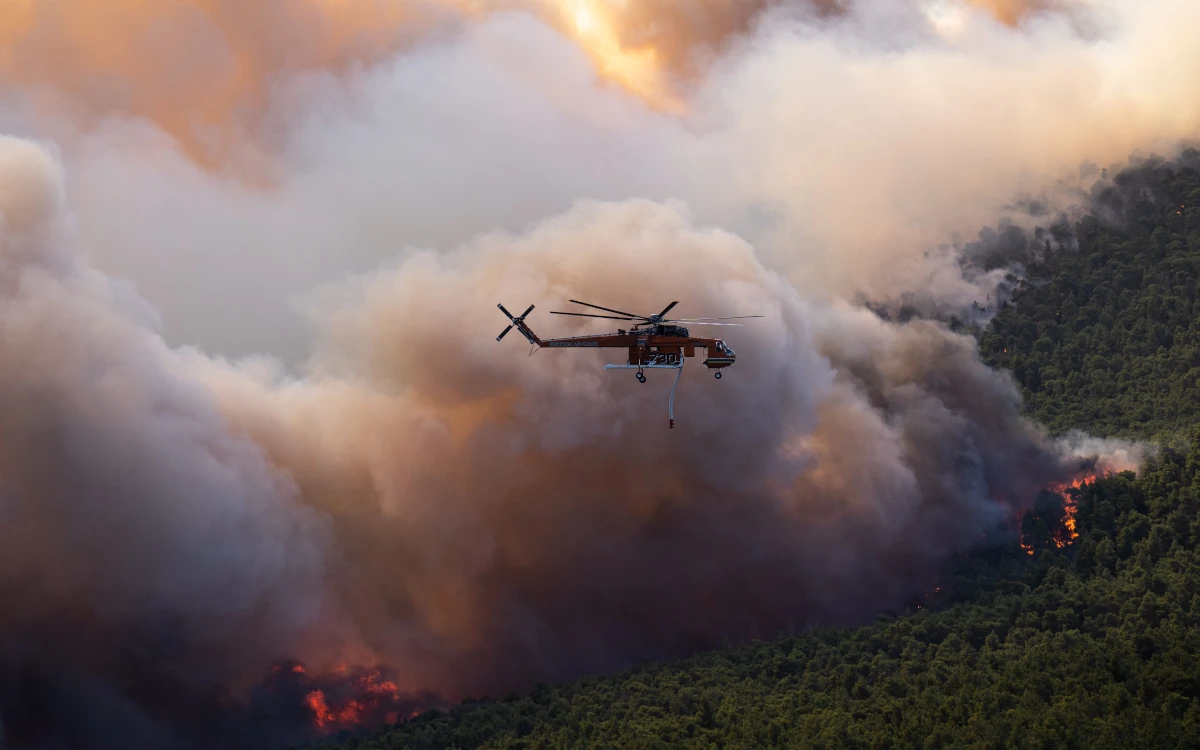
Greece battled its second major fire near Athens this summer, with wildfires destroying about 11,000 hectares of pine forest and farmland. Increasingly frequent and intense Mediterranean wildfires are linked to a hotter and drier climate. The Eastern Mediterranean is warming at nearly twice the global average rate, with temperatures projected to rise by up to five degrees Celsius by century’s end under a business-as-usual emissions scenario, according to the International Institute for Strategic Studies.
The crisis has also spilled over into politics. Greek left-wing parties Syriza and Pasok have blamed poor emergency coordination, evacuation failures, and inadequate prevention, while environmental groups called for stronger climate adaptation and forest management. Right-wing parties like Greek Solution have called for tougher measures on suspected arson attacks on property and greater accountability for fire prevention.
The broader climate impacts also threaten Europe’s food and water security. Heat and drought are already causing agricultural losses, with a June heatwave reportedly destroying around nine million tons of European grain and costing farmers $2.3 billion. Prolonged heat is driving higher food costs and greater volatility across European food supply chains.
Prolonged heat is driving higher costs and greater volatility across European food supply chains.
Europe’s Water Crisis Hits Electricity Supplies
Record-low Danube water levels have severely affected energy infrastructure and commercial shipping across Europe. The Danube, the second-longest river in Europe, stretches 1,770 miles from Germany to the Black Sea and has been hit by successive heatwaves since May. Romania shut down the two reactors at the Cernavoda nuclear power plant because of insufficient river water for cooling. It was the first time both had been shut simultaneously because of a water crisis. Hungary also shut down its only nuclear power plant, while Serbia has been forced to reduce power generation on its two biggest hydroelectric plants.
Navigation in Slovakia, Hungary, Romania, and Bulgaria has also been hit by lengthy waits, as ships cannot travel fully loaded if water levels are too low. The simultaneous impact on nuclear cooling, hydropower generation, and commercial navigation illustrates the cascading nature of water scarcity: a single environmental stressor can affect energy security, trade, and critical infrastructure across multiple states.
The simultaneous impact on nuclear cooling, hydropower generation, and commercial navigation illustrates the cascading nature of water scarcity
But it is not just low river levels that are affecting Europe’s water-dependent energy infrastructure. Excessive river temperatures caused a temporary shutdown of a reactor at the Golfech nuclear power station in France, after the Garonne River approached its environmental discharge threshold. Forecast temperatures also threatened production restrictions at the Nogent nuclear power station last month. France has also battled wildfires since April, with conditions reaching crisis levels in July.
Together, the wildfires in Spain and France have triggered one of Europe’s largest evacuation operations, with more than 300,000 people displaced. The EU has deployed aircraft, helicopters, firefighters, and vehicles through its Civil Protection Mechanism. The response underscores how extreme weather is increasingly requiring European states to rely on shared emergency resources and cross-border coordination.
Climate Crisis Burns Economic Growth
The environmental impact is also becoming harder to separate from the economic one. This week, a Triodos Bank estimate revealed that extreme heat and drought could erase as much as one full percentage point from Europe’s expected economic growth in 2026, highlighting the broader costs of disruptions to agriculture, energy, tourism, and labor productivity.
Strategically, Europe’s water crisis highlights a growing vulnerability at the intersection of climate change, energy security, and geopolitical resilience. As drought and extreme heat increasingly disrupt rivers that serve simultaneously as transport corridors, energy resources, and cooling systems, disruptions in one sector can rapidly spill across national borders and supply chains. This could increase competition for scarce water resources while placing greater pressure on governments to invest in resilient infrastructure, diversify energy and transport routes, and strengthen cross-border crisis coordination.
Europe’s dependence on shared rivers also means that climate stress could become an additional source of tension between neighboring states and increase the strategic value of alternative trade corridors, energy interconnections, and infrastructure outside water-stressed regions. Ultimately, this summer demonstrates how prolonged heat and water scarcity, driven by a changing climate, can turn environmental pressures into immediate economic, political, and cross-border disruptions.
Prolonged heat and water scarcity, driven by a changing climate, can turn environmental pressures into immediate economic, political, and cross-border disruptions