
Qatar’s access to both Washington and Tehran makes it a valuable mediator, though any settlement ultimately depends on the two governments.
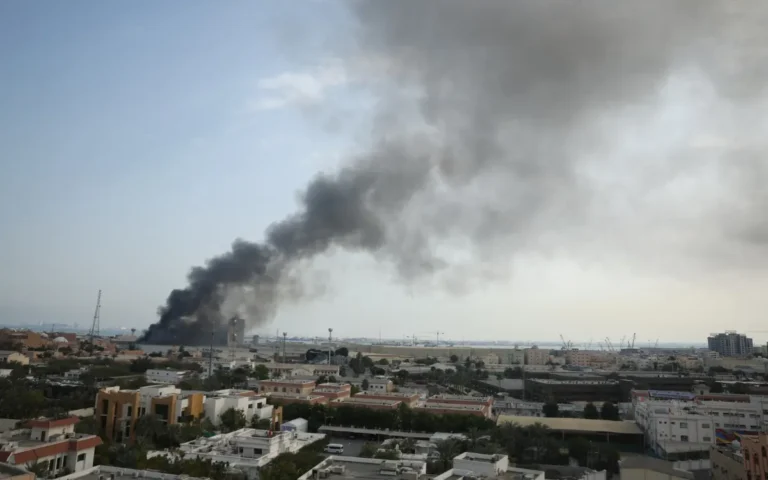
Home to a major American air base, Qatar shares a vast natural gas field with Iran and has come under Iranian attack in the current conflict. Yet Doha is back in a familiar role: keeping Washington and Tehran talking as both weigh the terms of a possible settlement. Its work shows how much a regional mediator can do to contain a conflict that threatens Gulf security and global energy supplies, and where that influence ends.
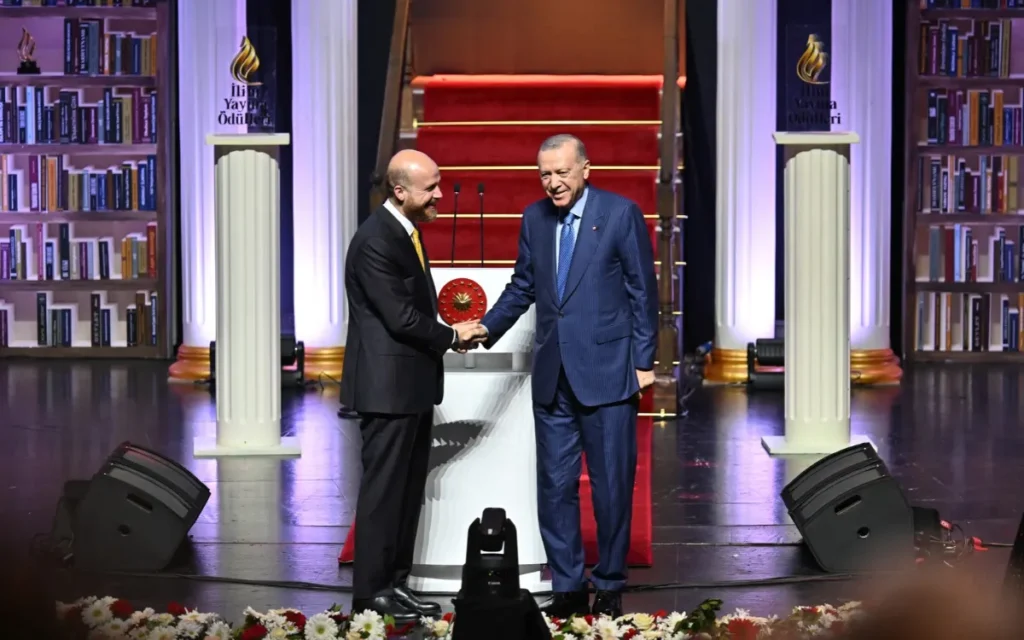
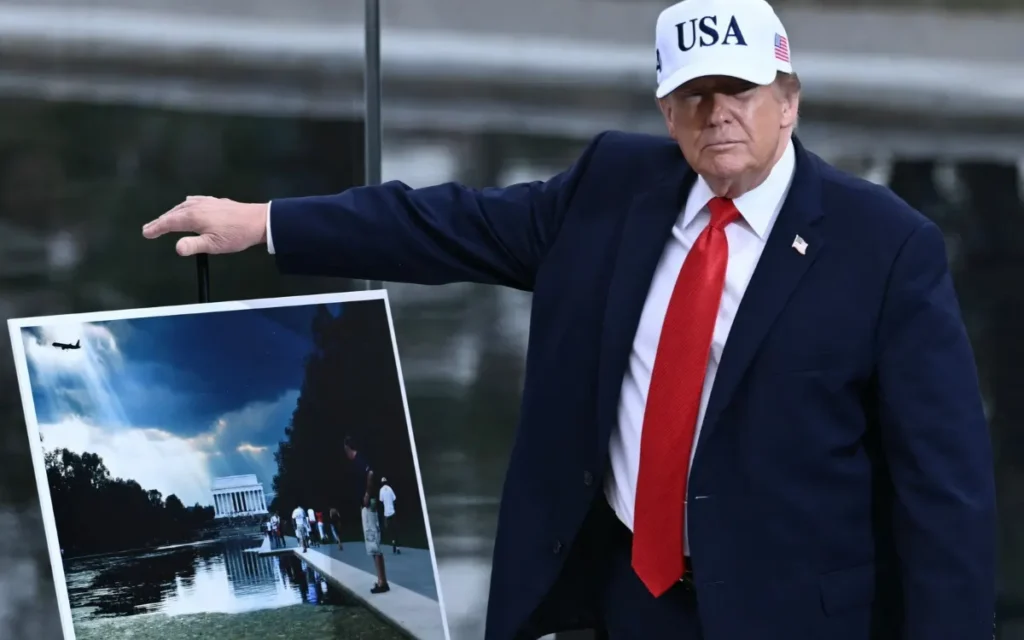
The latest step came on November 9, 2026, when Qatari Prime Minister and Foreign Minister Sheikh Mohammed bin Abdulrahman Al Thani met U.S. President Donald Trump in Washington. The meeting followed Qatari talks with Iranian officials in Tehran and wider regional contacts aimed at narrowing differences over how to end the confrontation. There are cautious signs of progress, but neither side has agreed to a comprehensive settlement. Washington has signaled it will avoid further military action for now while maintaining pressure on Iran. Tehran wants any agreement to ease the economic and military restrictions it faces.
Mediation has become a pillar of Qatari foreign policy, a way to manage difficult regional relationships. Over the past two decades, it has drawn Doha into several major international negotiations, with varying results. The current crisis is its latest test.
Mediation has become a pillar of Qatari foreign policy, a way to manage difficult regional relationships
Between Washington and Tehran
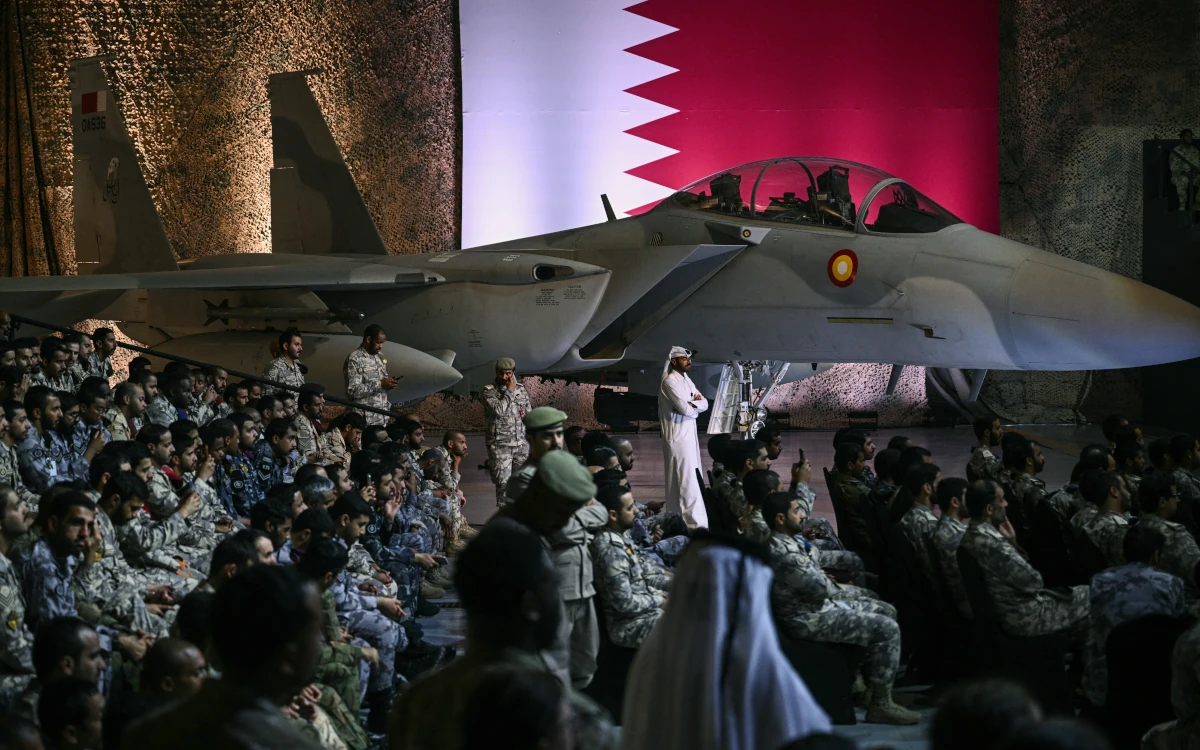
Qatar’s position rests on a paradox. It is a close U.S. security partner, and Al Udeid Air Base, on its territory, is a major hub for American military operations in the Middle East. Yet Qatar also keeps working relations with Iran, shaped by geography and shared economic interests. Above all, the two countries jointly manage one of the world’s largest natural gas fields, which lies beneath their maritime border.
Balancing the two has not always been easy. Qatar’s ties with Iran have at times raised concerns among its regional partners, while its partnership with Washington places it inside a U.S.-led security system that Tehran distrusts. The current conflict has made that balance harder to maintain. Iranian attacks that reached Qatar and other Gulf states showed how easily the confrontation could spread. Doha has nonetheless kept its contacts with Tehran open despite the pressure on its own security and economy.
Qatar’s logic is that it can disagree with a government without cutting ties with it. It can keep relations with Iran without endorsing Tehran’s regional policies, and partner with Washington without backing every American decision. For a country exposed to conflict on both sides of the Gulf, open channels serve the national interest as much as diplomatic preference.
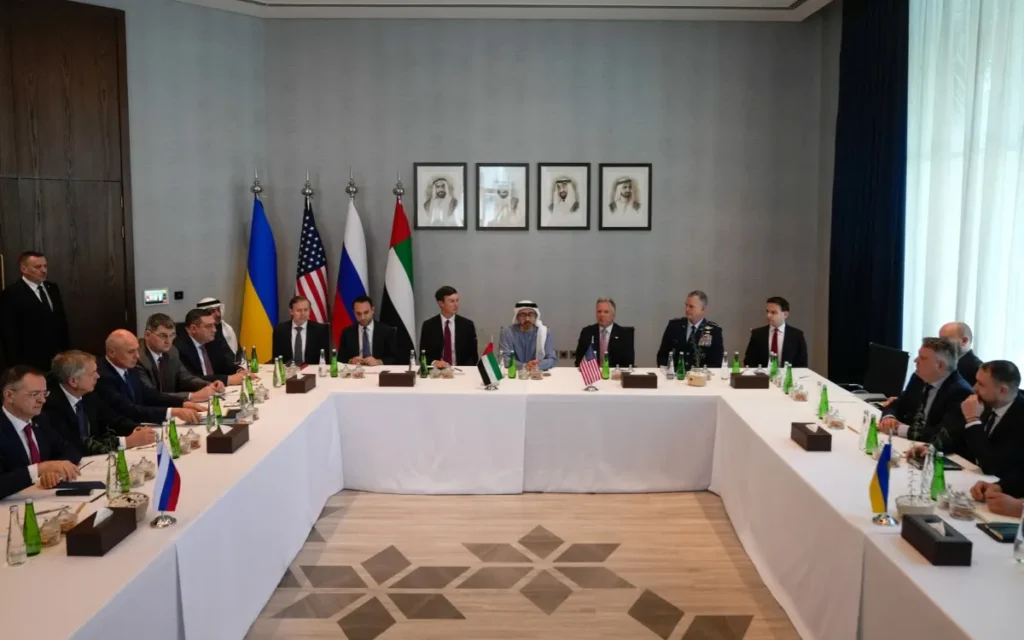
This gives Doha a useful position in the current talks. U.S. officials can work through a long-standing partner with access to Iranian decision-makers, and Tehran can test proposals through a neighbor it deals with directly. Such a channel matters most when neither side can afford to look flexible in public. Positions that clash in official statements may still leave room for limited understandings, if the two sides can explore them quietly and without committing in advance. Doha’s recent diplomacy has tried to create that room.
A Record Built on Hard Cases
Doha built its reputation as a channel over time, often in negotiations with uncertain prospects. In 2008, it hosted Lebanon’s rival factions after a long political and institutional crisis marked by armed clashes. The deal reached in Doha helped end the deadlock and opened the way for the election of a president. It did not resolve Lebanon’s deeper divisions. Yet it showed that Doha could offer a venue that competing groups would all accept.
Doha built its reputation as a channel over time, often in negotiations with uncertain prospects
Qatar later played a major part in the Afghan peace process. It hosted the Taliban’s political office and facilitated the U.S.–Taliban talks that led to the February 2020 agreement. The Afghan government’s collapse and the Taliban’s return to power exposed the flaws of the wider process, which never produced the inclusive settlement many had hoped for. Even so, Doha had shown it could keep talking to an actor Western governments found hard to deal with directly. Its help during the 2021 evacuation from Afghanistan strengthened its reputation for combining diplomatic access with practical assistance in a crisis.
Gaza was another hard test. With Egypt and the United States, Qatar helped mediate talks between Israel and Hamas on humanitarian pauses, hostage releases, and ceasefires. Working under heavy political pressure, Doha drew criticism for its contacts with Hamas, and repeated setbacks showed the limits of mediation when the main parties remain deeply divided. Still, the talks confirmed the value of channels that others cannot easily use. Access to an armed political movement could not guarantee a deal, but it made negotiations possible where there was no direct contact. The lesson for Doha was that mediation is long-term work, carried on between public negotiating rounds as much as during them.
Qatar has shown the same willingness to take on politically complicated cases elsewhere. These range from efforts to reunite Ukrainian children with their families to negotiations over the conflict in the eastern Democratic Republic of the Congo. Results have varied, from concrete agreements to limited or temporary progress. Together, these cases have given Qatar the contacts and experience that governments look for in a mediator able to work across political divides. The current U.S.–Iran talks show that experience turning into diplomatic influence.
Access Without Control
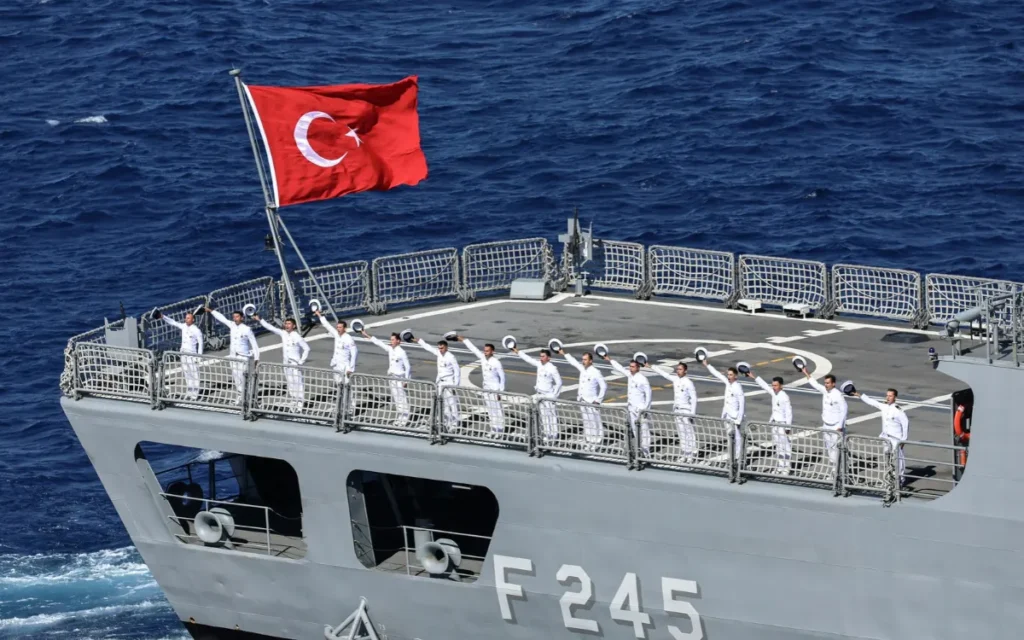
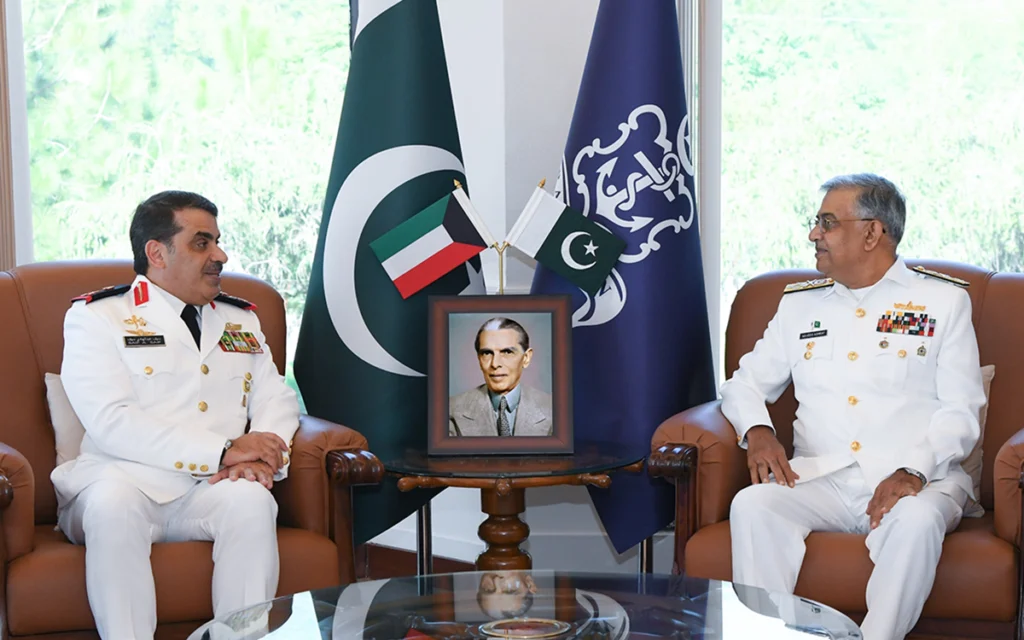
Qatar is not working alone. Pakistan, Turkey, Saudi Arabia, and Egypt have also pushed for a political settlement. Their involvement reflects wide regional concern over a conflict that has disrupted energy markets, endangered shipping, and exposed Gulf states to serious security risks. One of Doha‘s advantages lies in the continuity of its relationships and the access it has maintained to senior officials in both capitals. That access matters most in a crisis where decisions can change quickly and a misunderstanding can have immediate military consequences.
Sheikh Mohammed’s personal involvement adds political weight. Because he is both prime minister and foreign minister, contacts stay at a senior level, close to the leaders who must judge the results. Access, however, is not control. Doha can clarify positions, deliver proposals, and test compromises, but it cannot force either government to accept terms it sees as against its interests. Its influence lies in making negotiations possible and helping the parties identify workable arrangements, rather than determining the concessions they are prepared to make. The hardest choices still belong to the two governments.
Access, however, is not control. Doha can clarify positions, deliver proposals, and test compromises, but it cannot force either government to accept terms it sees as against its interests
Who Moves First
Getting the two sides to talk is the easier part. They remain divided over what a deal should contain and in what order its steps should come. Tehran wants relief from economic restrictions and military pressure; Washington wants assurances on Iran’s nuclear activities and regional security. The dispute over shipping through the Strait of Hormuz adds another obstacle.
Neither wants to move first. Iran fears that making concessions without firm guarantees would leave it under the same pressure. The United States will not ease its demands without evidence that Iran will meet its commitments. For mediators, the task is familiar: designing reciprocal steps that neither side sees as an unacceptable concession.
Qatar confronted a similar sequencing problem in September 2023, when it helped arrange a U.S.–Iran prisoner exchange requiring money transfers, prisoner releases, and other commitments to take place in an order both sides accepted. Iran freed five detained Americans, and the United States released Iranian prisoners in return. About $6 billion in restricted Iranian funds moved to accounts in Qatar, with limits on how Iran could use the money.
The episode showed that Doha could do more than host conversations. It could manage the practical details that turn a sensitive understanding into an agreement that both governments carry out. That record explains much of Qatar’s credibility today: Washington and Tehran have both accepted its role before in negotiations that required discretion, close coordination, and confidence that each side would deliver.
Today’s task is much harder. Ending a military confrontation carries far higher stakes than a prisoner exchange. No technical arrangement alone can settle nuclear policy, sanctions, maritime security, or the future balance of power in the region.
A Limited First Step
Any settlement must pass two tests at once. Washington must be able to defend it on security grounds. Tehran must see real relief and confidence that its concessions will not simply invite new demands. Months of fighting have made it even harder to meet both.
The immediate goal may therefore be more modest than a comprehensive agreement. A first understanding could lower the risk of new attacks, improve maritime security, or agree on a credible sequence of reciprocal steps. That could open the way to wider talks. It would not resolve the underlying disputes, but it could reduce the danger of escalation and let both governments test whether a more lasting arrangement is possible.
The Stakes for the Gulf
Even limited progress would matter to Gulf states. The conflict has shown how fast fighting involving Iran can spread to countries that did not make the decisions behind it. Threats to energy facilities, shipping lanes, and civilian safety have pushed governments across the region to take an active part in containing the crisis.
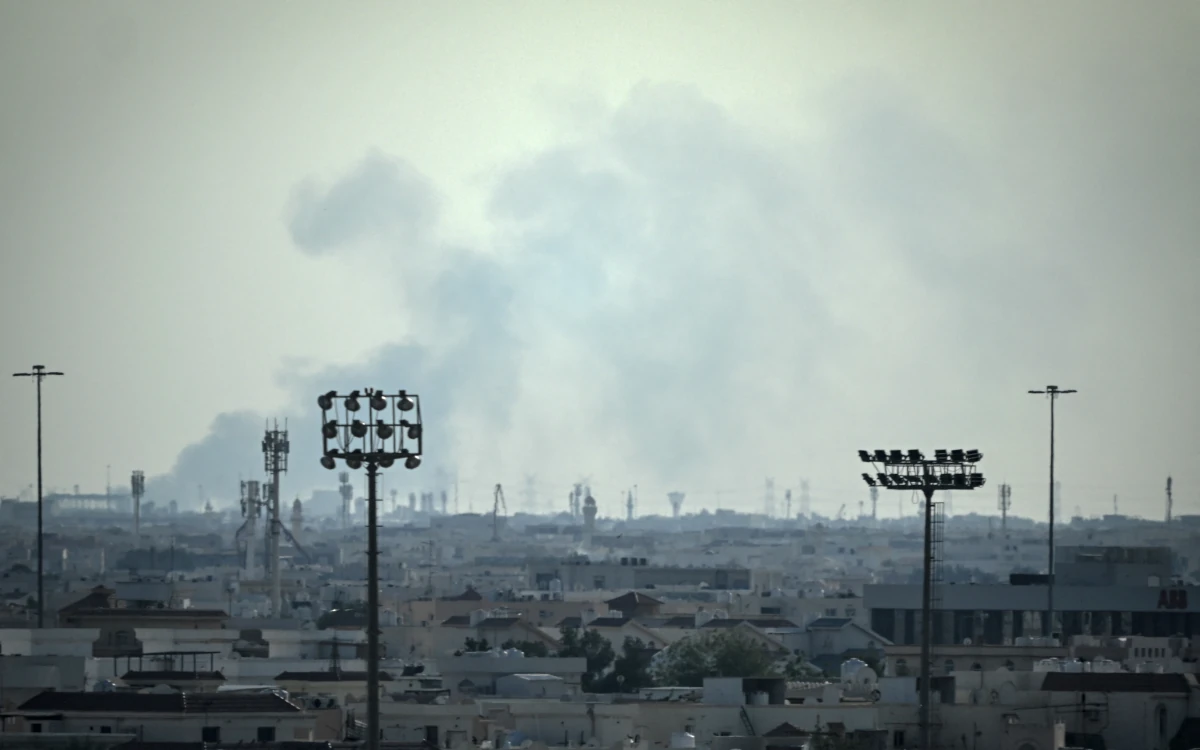
Qatar has particularly strong reasons to want the crisis contained. As a major exporter of liquefied natural gas, it depends on regional stability, and its proximity to Iran leaves it exposed to any long confrontation. Mediation is therefore part of Qatar’s national strategy, based on the judgment that diplomacy can help protect what military alliances alone may not fully secure.
Doha’s approach also fits a wider shift in the Middle East. Governments in the region increasingly want a role in managing the crises that threaten them, instead of leaving diplomacy entirely to outside powers. Qatar shows how a smaller state can contribute through relationships, persistence, and a willingness to stay involved when talks turn politically difficult.
Doha’s approach also fits a wider shift in the Middle East. Governments in the region increasingly want a role in managing the crises that threaten them, instead of leaving diplomacy entirely to outside powers
The Measure of Success
This kind of diplomacy carries risks. Mediators draw criticism, and the deals they help reach can collapse for reasons beyond their control; Qatar has faced both. A fair assessment of its record looks beyond the agreements it has secured and does not treat every initiative as a success. The better test is whether Doha offers a channel that would otherwise be missing, and whether that channel narrows the gap between the parties. In the current confrontation, it offers such a channel, and that alone is a meaningful contribution.
The latest contacts among Doha, Washington, and Tehran have not removed the core disagreements, nor shown that either side will make the concessions a lasting deal requires. They have, however, kept a political solution possible at a time when further escalation could have severe consequences. Qatar’s past mediation shows both the value of keeping communication open and the limits of deals that leave a conflict’s root causes untouched. The real test now is whether Doha’s access in Washington and Tehran can help turn diplomatic engagement into concrete commitments. Maintaining channels of communication is valuable, but it cannot substitute for the political decisions needed to bridge the differences between the two governments. For now, the talks test Qatar’s diplomatic reach and, above all, whether the United States and Iran are ready to move beyond the confrontation that brought them to this point.
Maintaining channels of communication is valuable, but it cannot substitute for the political decisions needed to bridge the differences between the two governments