
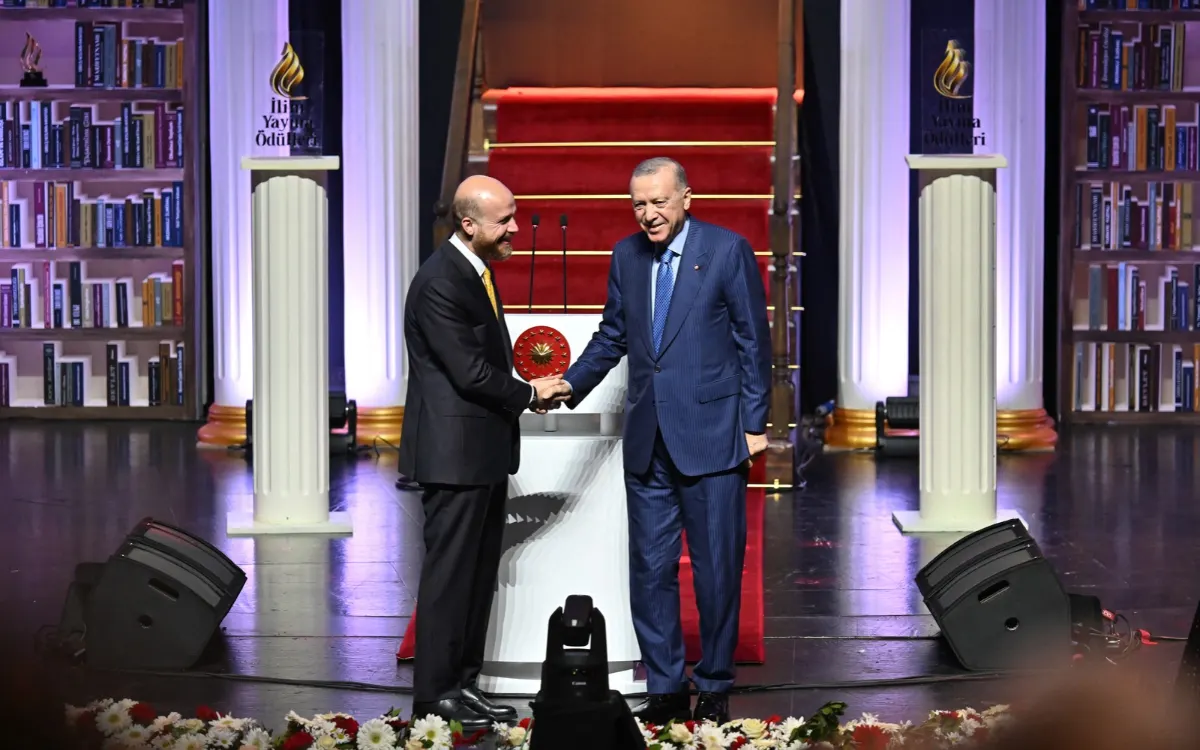
Bilal Erdogan, the son of Turkish President Recep Tayyip Erdogan, is holding talks with Lebanese political figures over plans to establish a Sunni political party in Tripoli, northern Lebanon, according to a Lebanese source familiar with the discussions who spoke with Eagle Intelligence Reports.
The proposed party would bring together figures who have broken away from Islamist movements and others with close ties to Turkey, potentially giving Ankara a more organized political presence within Lebanon’s Sunni community, where Saudi Arabia has historically wielded considerable influence.
The source told Eagle Intelligence Reports that the discussions center on creating an organization that brings together figures from different Islamist backgrounds and political affiliations, moving beyond the informal networks that Turkey has cultivated among local groups and personalities. Potential participants’ identities and a general timeline for launching the party remain unclear. The details of the talks could not be independently verified.
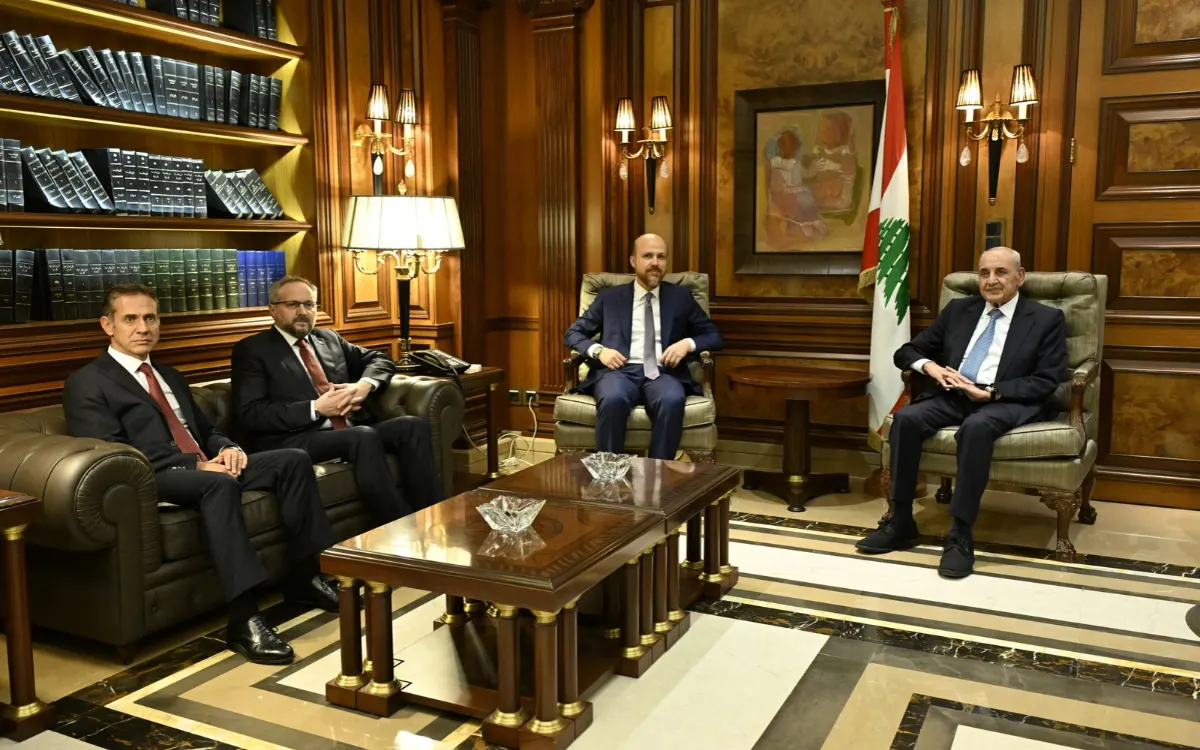
The disclosure coincides with a visit to Lebanon by Bilal Erdogan beginning Thursday, November 12, with stops in Beirut, Tripoli, and Akkar. According to Lebanese media reports, the visit is taking place at the invitation of Deputy Prime Minister Tarek Mitri and includes meetings with political, religious, and business figures, as well as social and development-related activities. Mitri is expected to be among those welcoming Erdogan in Tripoli.
The timing is significant. The visit comes amid regional shifts that have strengthened Turkey’s position in Syria, while Lebanon undergoes political realignment and Saudi Arabia intensifies its engagement with Lebanese factions, particularly Sunni leaders. A more formal Turkish-aligned political vehicle in northern Lebanon could therefore extend Ankara’s influence from the social and religious sphere into electoral politics.
A more formal Turkish-aligned political vehicle in northern Lebanon could therefore extend Ankara’s influence from the social and religious sphere into electoral politics
Tripoli, Lebanon’s second-largest city, has long been a focal point of Turkish influence, reflecting historical and cultural ties as well as the activities of Turkish institutions in education, humanitarian assistance, and development. Yet Ankara’s relationships in the city have remained dispersed among charities, religious figures, and political personalities rather than developing into a unified political organization potentially capable of contesting power.
The proposed initiative also comes amid a prolonged leadership vacuum within Lebanon’s Sunni political establishment. That fragmentation deepened after former Prime Minister Saad Hariri suspended his political activities in 2022, leaving rival local figures and groups competing to fill the void. That fragmentation creates an opening for outside powers to cultivate more durable political partners rather than relying primarily on relationships with individual leaders.
Any attempt to establish a Sunni party with close ties to Turkey would inevitably intersect with Saudi Arabia’s interests in Lebanon, where Riyadh has stepped up its diplomatic engagement in recent months.
In August, Saudi Ambassador Fahd al-Dossary held meetings in Tripoli with the city’s Sunni mufti, Sheikh Mohammad Imam, and lawmakers Faisal Karami and Karim Kabbara, discussing political developments and local affairs. Those meetings followed earlier diplomatic outreach by Saudi envoy Yazid bin Farhan, who met Lebanese officials and Sunni political figures.
Yet the parallel diplomatic activity does not necessarily signal a confrontation between Ankara and Riyadh. Lebanese media reports have suggested some coordination between the two countries over Bilal Erdogan’s visit, although the nature of any such arrangement has not been officially confirmed.
Still, the prospect of a new Sunni political party associated with figures close to Ankara raises questions about the extent of Turkish–Saudi cooperation and whether their broader regional understanding extends to the evolving balance of influence within Lebanon’s Sunni community. The immediate issue may therefore be less about a direct Turkish–Saudi rivalry than how far each side is prepared to tolerate the other building political influence in a constituency both consider strategically important.
The immediate issue may therefore be less about a direct Turkish–Saudi rivalry than how far each side is prepared to tolerate the other building political influence in a constituency both consider strategically important
Mitri’s reported involvement adds another dimension. Lebanon’s deputy prime minister, a Christian politician and academic from Tripoli, held official talks in Ankara in June, including a meeting with Turkish Vice President Cevdet Yilmaz focused on bilateral relations and regional developments. No political party initiative was publicly announced at the time.
If the discussions lead to concrete steps, the project could represent an effort to translate Turkey’s longstanding social and religious influence in northern Lebanon into an organized political presence, in a region where Ankara’s and Riyadh’s interests intersect with those of local actors. Whether such a party could develop an independent electoral base, however, would depend on which Lebanese figures join it and whether Ankara is prepared to provide sustained political backing rather than informal support.
It remains unclear whether the talks have the formal backing of Turkey’s leadership or whether Saudi Arabia has been informed of the proposed party. None of the parties involved has publicly announced plans to establish the organization.