
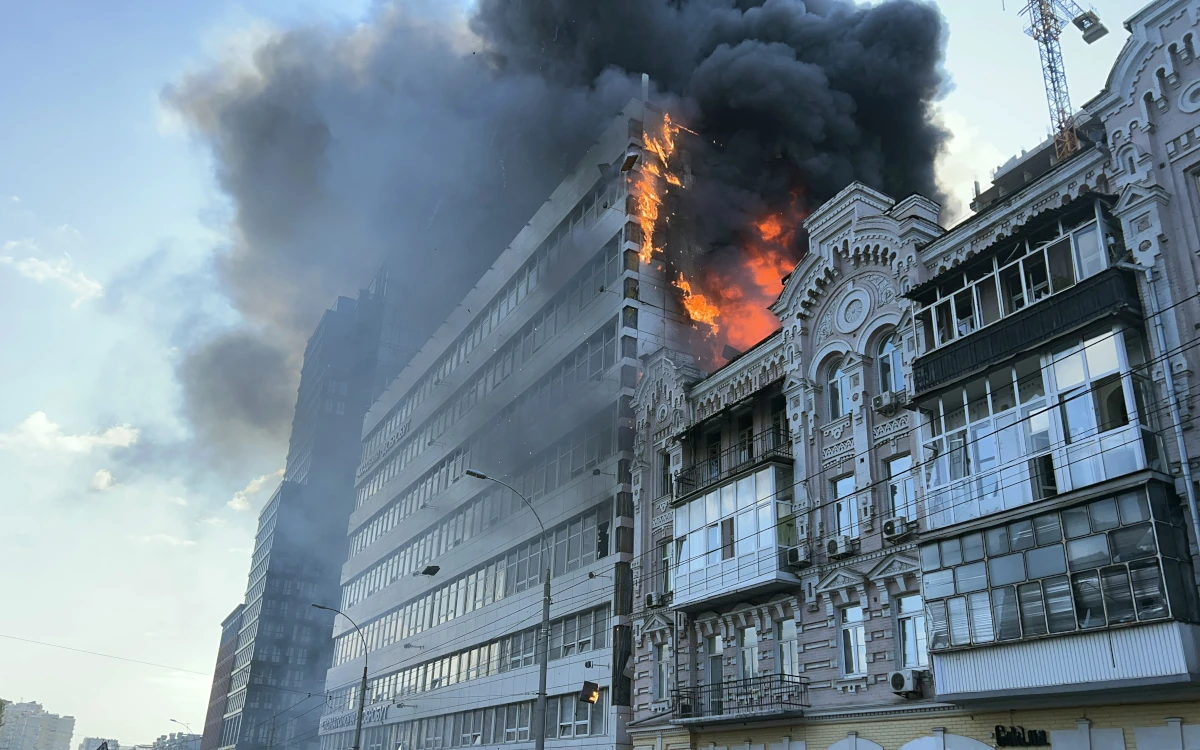
Ruling party parliamentary chief instructed lawmakers to leave Kyiv as security concerns mount, source says.
Ukrainian lawmakers have been instructed to leave Kyiv and relocate to areas near the Romanian and Hungarian borders through October 17, amid intelligence that Russia plans to expand its attacks on the capital in early October, a reliable source told Eagle Intelligence Reports.
David Arakhamia, who heads the parliamentary faction of Ukraine’s ruling party, directed most Ukrainian lawmakers to relocate to areas near the western and southern borders until October 17, the source said.
The instruction followed intelligence pointing to a broader Russian campaign against Kyiv beginning in early October. Neither Arakhamia nor Ukraine’s parliament, the Verkhovna Rada, has announced such a move, and Eagle Intelligence Reports has not been able to independently confirm the instruction.
The instruction followed intelligence pointing to a broader Russian campaign against Kyiv beginning in early October
Arakhamia’s senior position underscores the significance of the instruction. He has led the Servant of the People parliamentary faction since 2019 and currently heads its 227-member bloc. He sits on the Rada’s Committee on National Security, Defense and Intelligence, where he chairs a subcommittee overseeing law enforcement and intelligence bodies. He is also one of Ukraine’s negotiators with Russia and led its delegation in talks with Moscow in the weeks after the 2022 invasion. Though rarely in the spotlight, he is widely seen as central to holding President Volodymyr Zelensky’s fragile parliamentary majority together.
The warning cited by the source follows weeks of heavier Russian strikes on the capital. With its ground offensive largely stalled, Moscow has turned to long-range attacks on Ukraine’s cities and economy. Ukrainian officials now describe the campaign as total war. Since late August, daytime air alerts in major cities have grown longer, closing shops and sending workers to shelters. UN monitors recorded civilian casualties in Kyiv on 16 of the first 24 days of September, the highest monthly frequency since the invasion began.
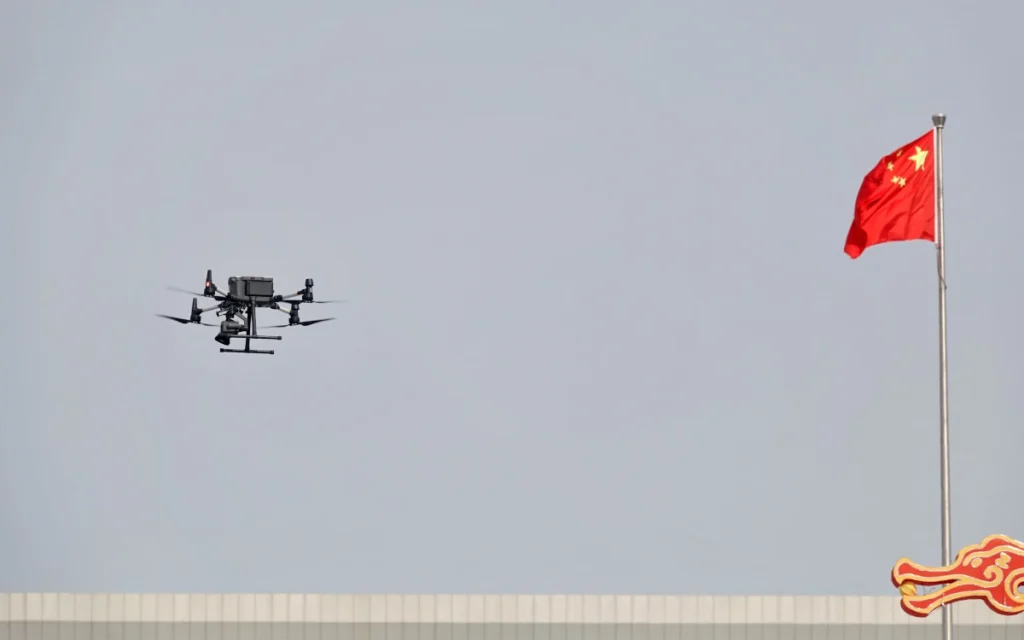
Russia has also changed the weapons it uses against the capital. Jet-powered Shahed drones, used against Kyiv in large numbers since August 27, fly faster and higher than older models. Ukraine’s mobile air-defense crews struggle to stop them. Russia’s reported production target for jet-powered Shaheds this year is 24,000, though only a small share has been used so far. By one estimate, Russia can fire more than 100 ballistic missiles a month, while Ukraine is short of Patriot interceptors.
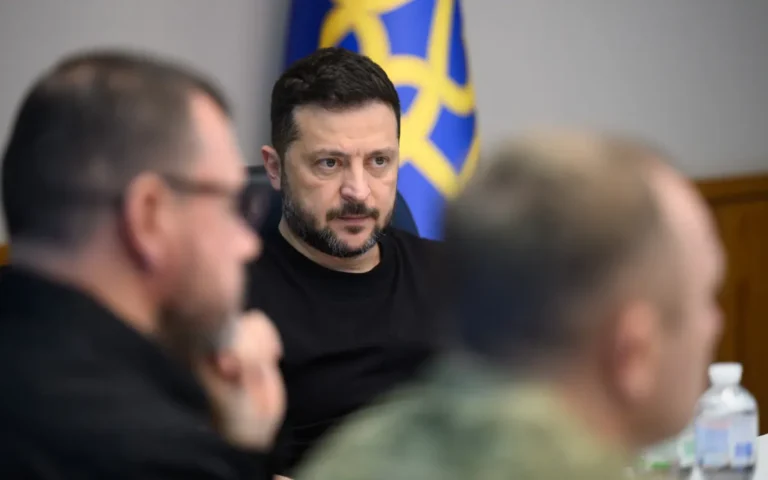
The Ukrainian government has warned of further escalation. On September 22, Zelensky said Ukraine had intelligence that Russia was preparing a new massive attack. One Ukrainian official has predicted relentless strikes on the capital by October. Winter will add to the pressure, since Kyiv relies on large heating plants that are hard to protect. Government buildings have been hit before. In September 2025, a Russian strike set fire to the roof of the Cabinet of Ministers building, a first in the war. The Rada said a January 2025 blast had damaged its offices.
On September 22, Zelensky said Ukraine had intelligence that Russia was preparing a new massive attack. One Ukrainian official has predicted relentless strikes on the capital by October
The relocation window also overlaps with renewed diplomacy in which Arakhamia has played a role. Zelensky said last week that Washington had proposed a technical-level meeting of U.S., Russian, and Ukrainian officials in the United Arab Emirates, although no date has been set. Previous diplomatic contacts have brought little respite from Russian strikes on Kyiv.