
Iran received Washington’s formal response to its proposal to end the Middle East war on Wednesday, as three commercial vessels were struck in the Strait of Hormuz and Tehran confirmed it was continuing attacks on ships attempting to cross the strategic waterway.
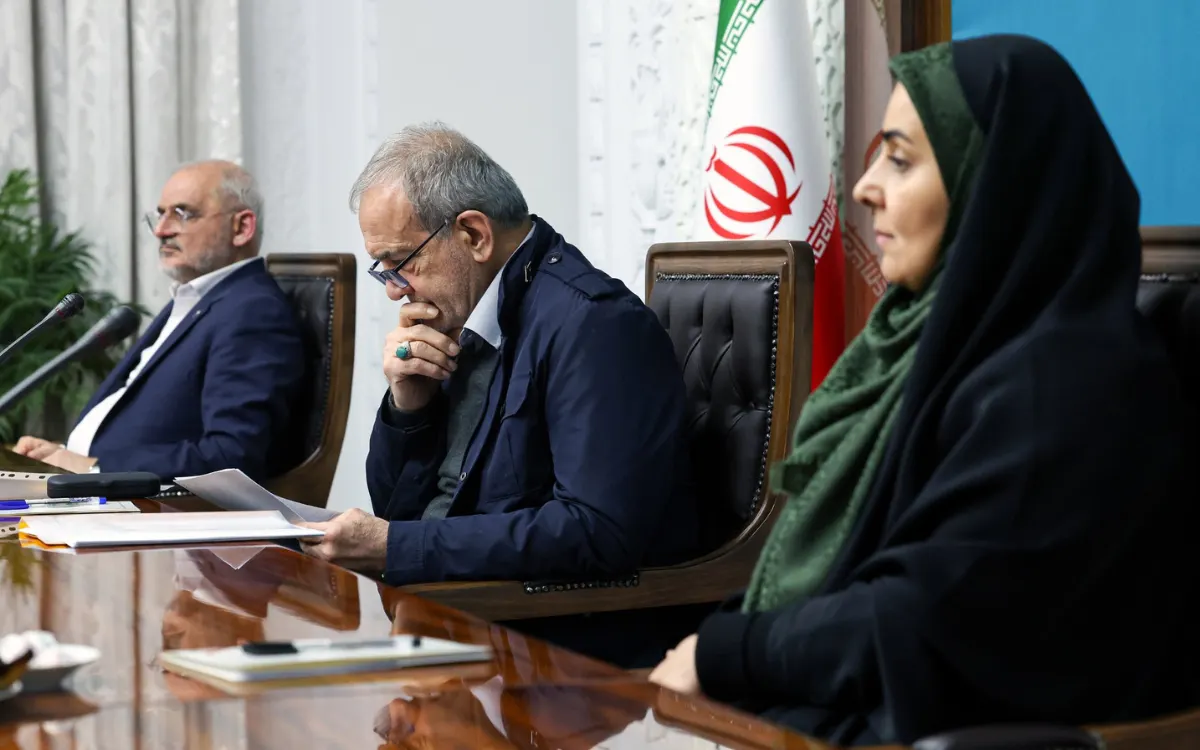
Government spokeswoman Fatemeh Mohajerani said Foreign Minister Abbas Araghchi presented the U.S. response to President Masoud Pezeshkian at a cabinet meeting, without disclosing its contents. Tehran’s seven-point proposal calls for an end to hostilities and the reopening of Hormuz, with known conditions including sanctions relief for Iranian oil, the release of frozen assets, an end to the U.S. naval blockade, and a regional ceasefire. Separately, the United Kingdom Maritime Trade Operations Centre said three vessels were struck by unknown projectiles in Hormuz on Tuesday, without attributing responsibility.
“We have been striking ships for quite some time now—specifically the small vessels I mentioned that attempt to pass. We block their passage, yet the U.S. has not retaliated for a while,” Islamic Revolutionary Guard Corps spokesperson Hossein Mohebi told Iranian state television.
The diplomatic maneuvering comes as the war increasingly reshapes regional security and economic calculations. Saudi Arabia denied reports that its representatives joined Israeli Prime Minister Benjamin Netanyahu’s talks in the UAE, where Iran was among the issues discussed, leaving no confirmed evidence of broader Saudi participation in Gulf–Israeli security coordination. In Europe, the conflict’s energy shock pushed inflation higher across the continent. Germany has ordered SEFE to acquire additional gas for winter reserves, while Greece extended fuel discounts as governments respond to higher energy costs.
Washington and Tehran are therefore testing diplomacy while retaining their principal sources of economic and military leverage. Iran’s restrictions on Hormuz threaten global energy flows, while U.S. sanctions and the blockade of Iranian ports pressure Tehran’s oil revenues. The contents of Washington’s response—and whether the two sides can agree on the sequencing of maritime access, sanctions relief, and a broader ceasefire—will determine whether negotiations gain momentum. Continued attacks on shipping could quickly undermine that process, while rising European inflation and energy-security measures demonstrate that a prolonged confrontation is already transmitting the costs of the war well beyond the Middle East. (AFP+EIR)