
Inflation rates jumped in France and Italy in September as energy and fuel costs soared because of conflict and instability in the Middle East, official data showed Wednesday.
The annual inflation rate hit 3.0 percent in France, the highest since February 2024 and up sharply from 2.4 percent in August, according to figures cited by French media. Analysts expect inflation to remain above three percent for the remainder of the year, further hitting consumers’ purchasing power. In Italy, inflation jumped to 4.2 percent, nearly a full percentage point above the 3.3 percent recorded in August.
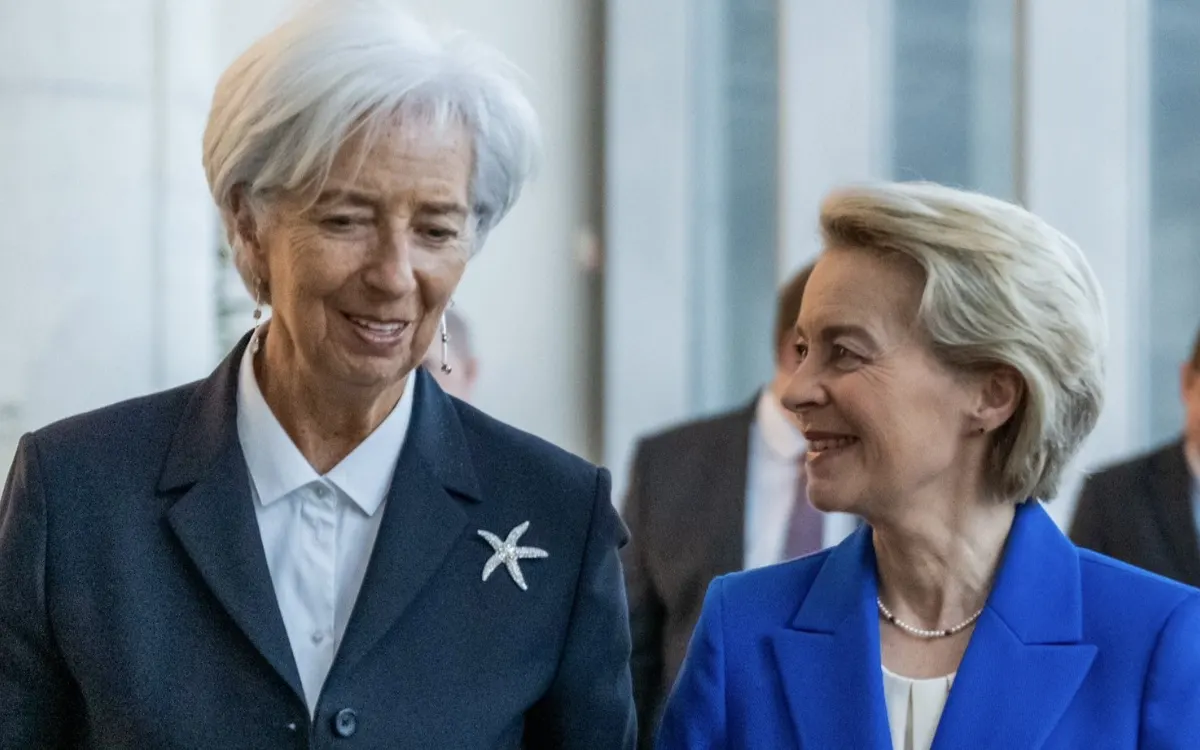
Amid the figures, European Central Bank President Christine Lagarde said this week that “despite headwinds from the energy shock, the euro area economy has proven resilient with solid real GDP growth in the second quarter of 2026. The outlook remains uncertain, with upside risks for inflation and downside risks for economic growth.”
Diesel prices in particular have hit record highs in France, Italy, Germany, and several other eurozone countries in recent weeks, a result of the Middle East war that has slowed shipments of both crude oil and refined fuels from the Gulf. European fuel prices rose almost 24 percent year on year last month. Germany is set to release inflation data later Wednesday, ahead of the full eurozone reading on Friday. Annual inflation was up to 3.2% in August in both the EU and the euro area, according to Eurostat.
Annual inflation up to 3.2% in both the EU and the euro area. 📈
See more detailed data 👉 https://t.co/PHyRhB3pWO pic.twitter.com/TYP5Mh27xC
— EU_Eurostat (@EU_Eurostat) September 25, 2026
The French and Italian data suggest that war and instability in the Middle East is increasingly feeding into eurozone inflation, potentially complicating the European Central Bank’s efforts to stabilize prices without further weakening economic growth. Germany’s inflation reading later Wednesday and the full eurozone figure on Friday will provide a clearer indication of how broadly those pressures are spreading. If energy-driven inflation remains elevated across the bloc while growth stays weak, the ECB could face an increasingly difficult tradeoff: tighter monetary policy could contain inflation but further constrain investment and consumption, while easing rates could support growth at the risk of allowing price pressures to become more persistent. A sustained combination of weak growth and elevated inflation would increase the risk of a stagflationary environment and narrow the ECB’s room to maneuver. (AFP+EIR)