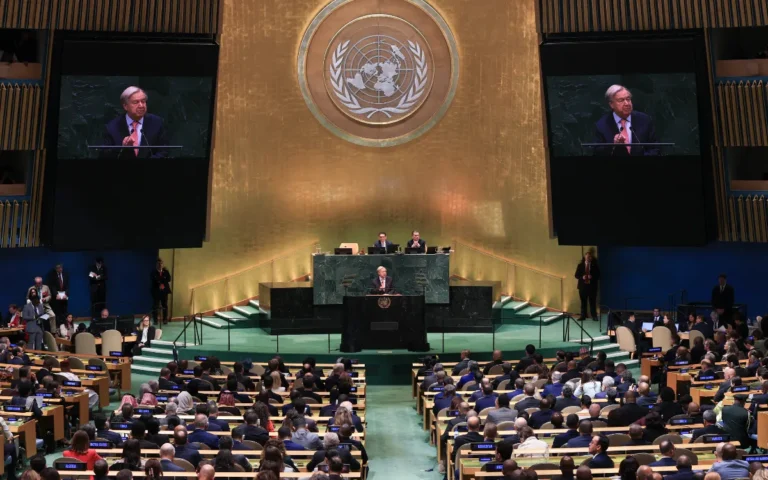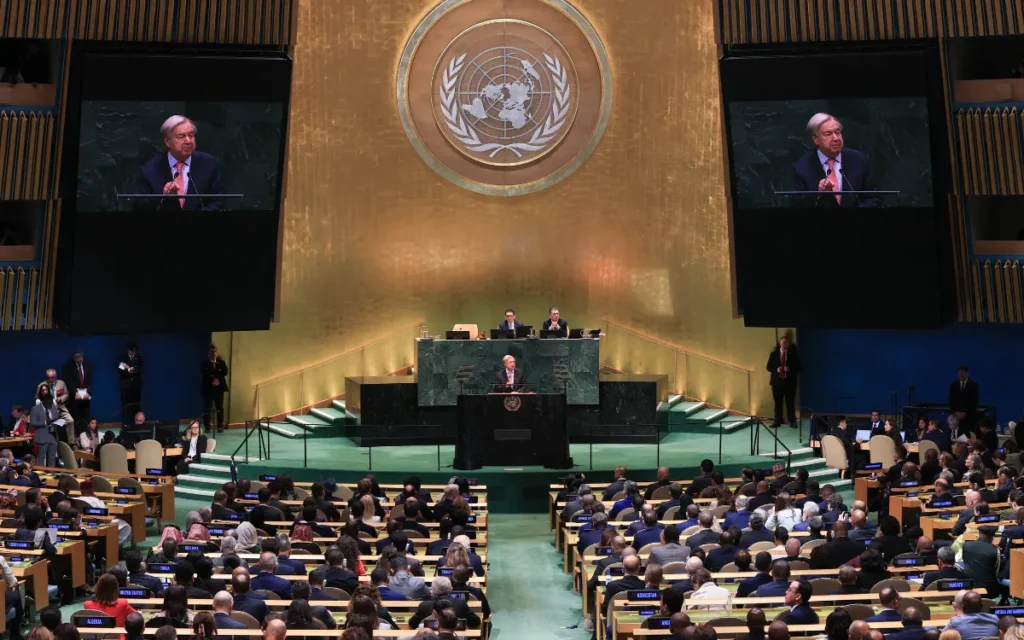

Diplomatic efforts at the UN are focusing on energy risks from major conflicts, with U.S.–Iran talks pushing oil prices lower as Washington simultaneously explores a Russia–Ukraine agreement to halt attacks on energy infrastructure.
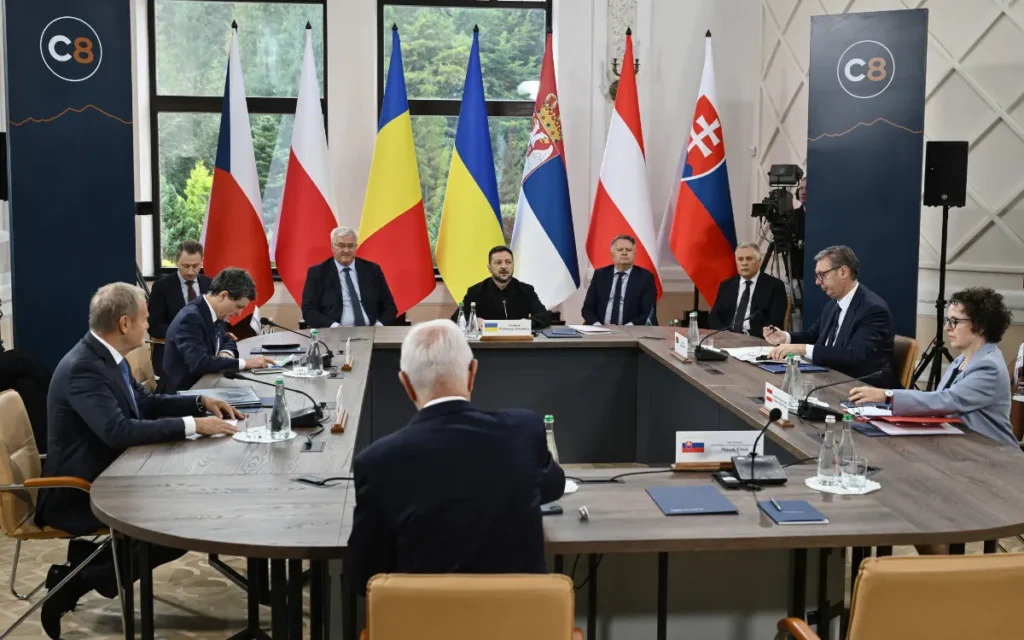
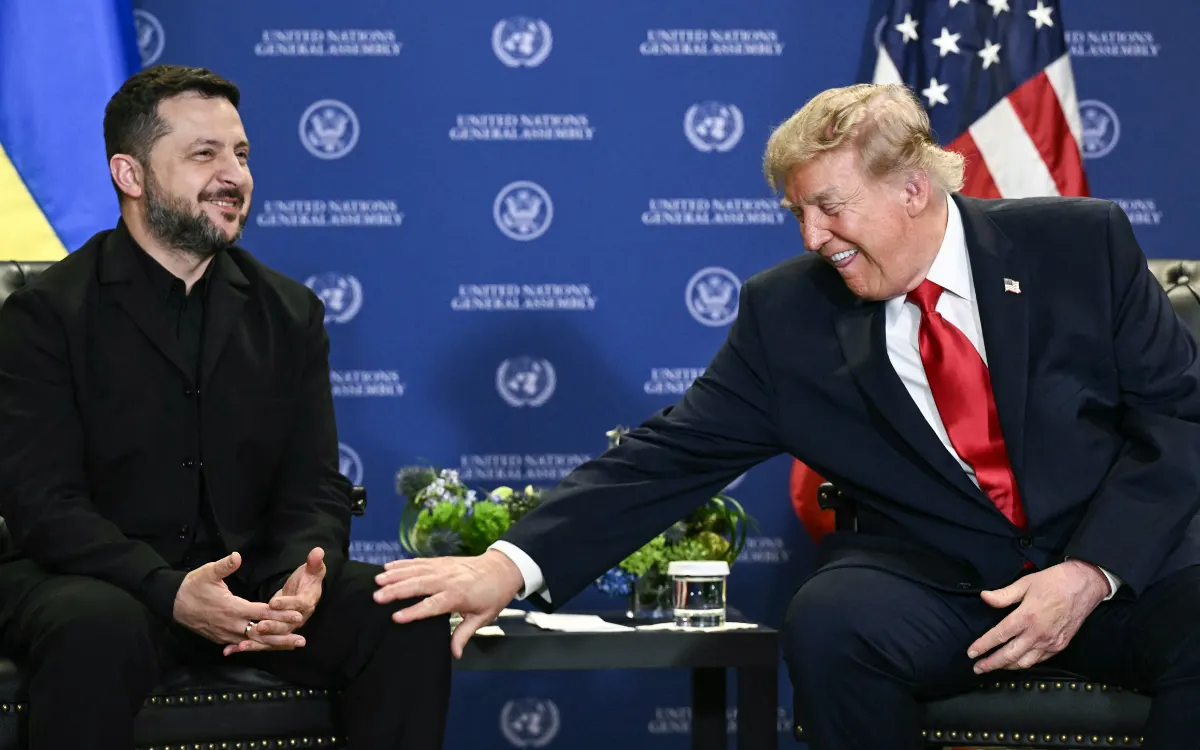
U.S. Secretary of State Marco Rubio will meet his Russian counterpart Sergei Lavrov on Wednesday on the sidelines of the UN General Assembly, as Ukrainian President Volodymyr Zelensky is expected to address the United Nations. Washington is exploring a halt to Russian and Ukrainian strikes on energy infrastructure, after Zelensky told U.S. President Donald Trump that Kyiv is prepared to stop attacks on energy targets if Moscow reciprocates.
But Zelensky said he did not know Russia’s position and expressed hope that the “American side will find a way… to bring them to any kind of negotiations.”
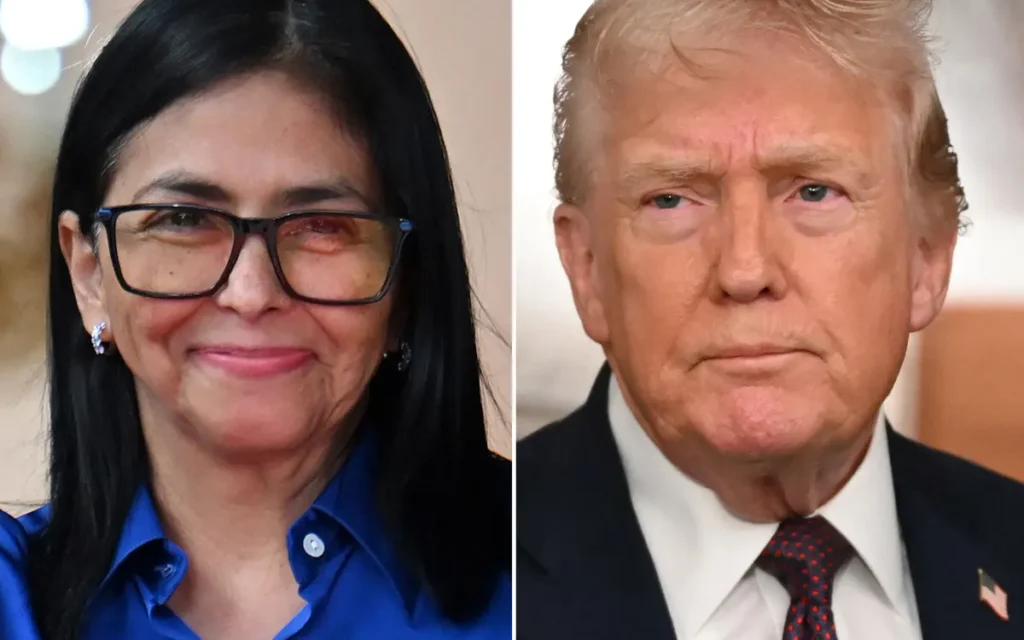
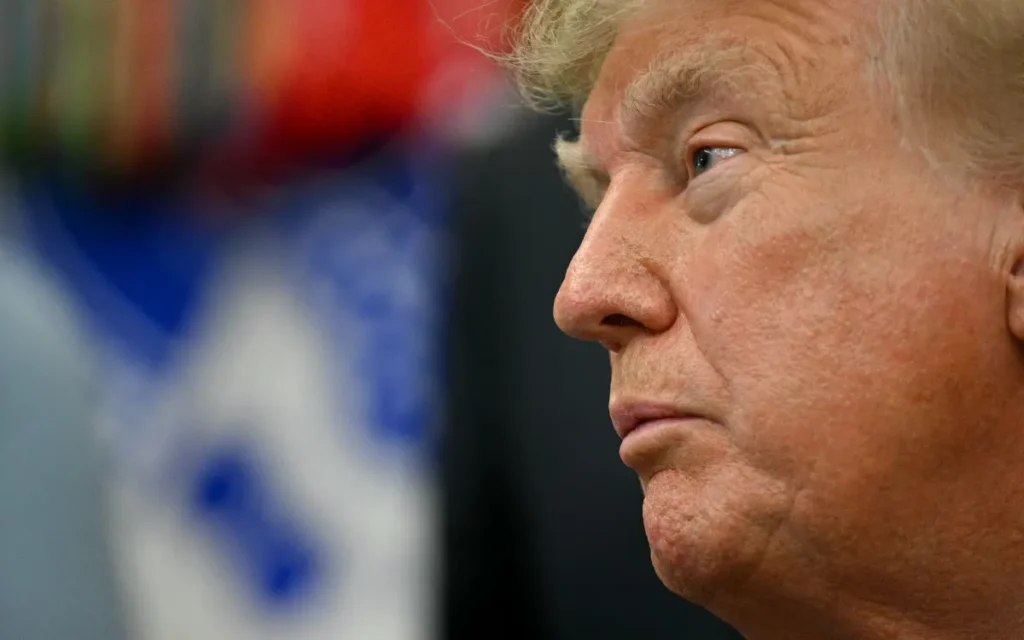
Meanwhile, oil prices fell below $100 after Trump said U.S. and Iranian representatives held a three-hour meeting at the UN that he described as productive, with another round expected soon. Only a few hours earlier, the U.S. president delivered an address to the UN in which he said he faced a “big decision” about whether to make a deal with Iran or “annihilate the Islamic Republic and do it quickly.” Brent fell to $98.91 in early Asian trading as diplomatic hopes combined with Saudi Arabia’s efforts to restart its East–West Pipeline, potentially restoring flows through an important export route that bypasses Hormuz.
The parallel diplomatic efforts at the UN show how energy markets have become increasingly exposed to developments in both conflicts. Progress in U.S.–Iran talks could reduce the geopolitical risk premium on oil if it raises prospects for reopening the Strait of Hormuz, while a Russia–Ukraine agreement to halt strikes on energy infrastructure could ease pressure on refineries, power facilities, and fuel supplies. Although the negotiations remain separate and at different stages, their convergence at the UN highlights how diplomacy is influencing global energy markets that months of military escalation have disrupted. (AFP+EIR)