
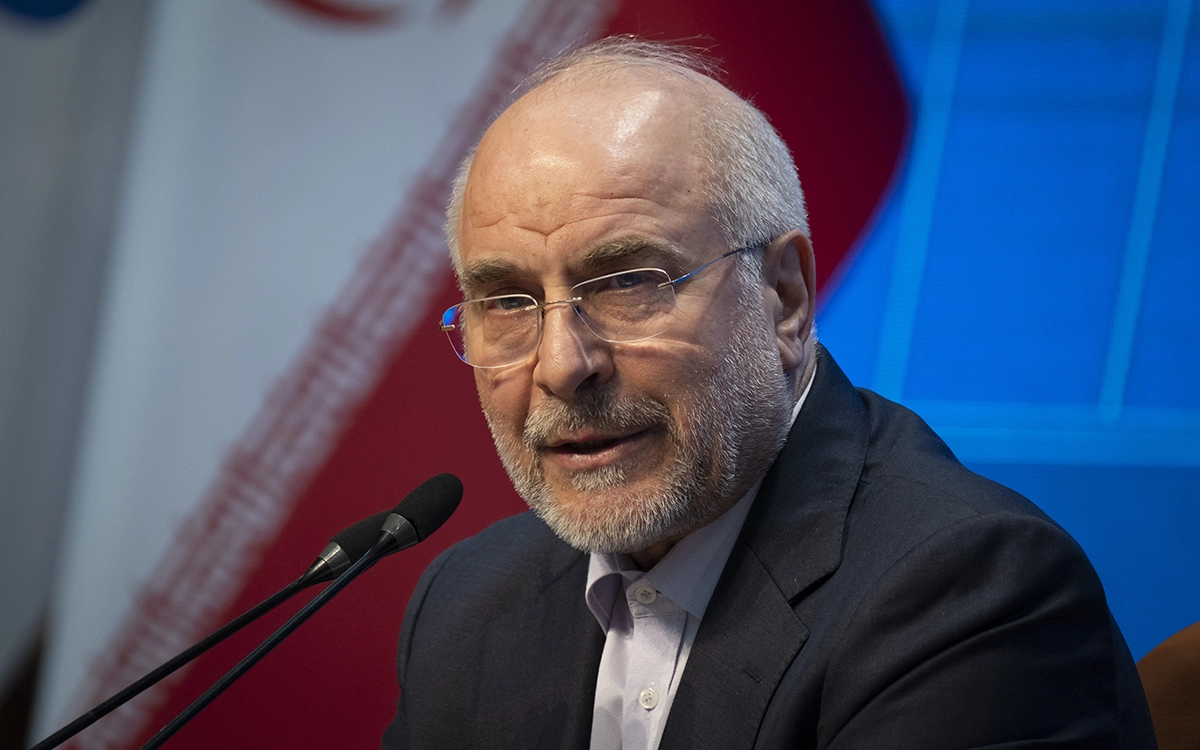
Iranian Parliament Speaker Mohammad Bagher Ghalibaf asserted that the Strait of Hormuz will not be opened until Iran’s seven conditions outlined in the Islamabad Memorandum of Understanding are met, Iranian media reported.
In a speech to parliament on Sunday, Ghalibaf said, “The Americans have become desperate in the face of the Iranian nation’s resistance. Those who claim otherwise in the media have recently made some proposals through intermediaries, but they must realize that the era of dictates and unilateral demands is over.”
He added, “Iran’s position is absolutely clear and decisive. The Strait of Hormuz will not be opened until our seven conditions are fulfilled.”
He stressed, “Iran does not adjust its national policy and security based on daily tweets or interviews by American officials. We base our assessment on the enemy’s actual behavior and actions, not on false rhetoric and deception in the media.”
According to media reports, referring to October 7, 2023, he said, “The October 7 events marked a turning point that divided the region‘s history into before and after. On this date, the Palestinians decided to stand with honor and transform Israel’s illusion into a permanent source of fear for it.”
He added, “The Israeli government that for years claimed to possess absolute deterrence and an impenetrable intelligence apparatus is now mired in a quagmire of decay, with its identity and security structure collapsing.”
Meanwhile, Iranian Foreign Minister Abbas Araghchi insisted on Sunday that there would be no military solution to the United States’ war against the Islamic republic, with talks on ending the conflict apparently at an impasse.
“If our enemies again choose the path of military confrontation, our response will be stronger than before, and we will defend ourselves with even more force,” Araghchi said at a gathering of foreign ambassadors.
“There is no military solution, nor any solution based on new sanctions,” he continued, adding “only negotiations based on justice and fairness” could end the conflict.
The Iranian currency also plummeted to a new low of 2.7 million rials to the U.S. dollar, continuing its slide to new record lows despite the central bank’s announcement of injecting up to $2 billion into the market to support the currency.
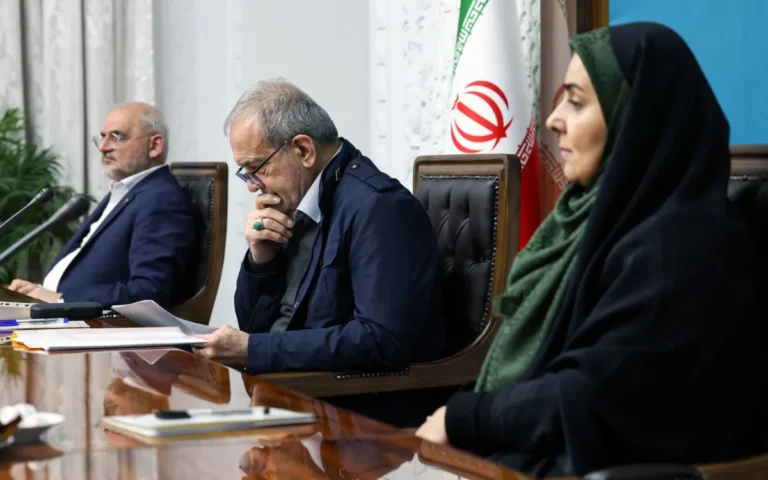
Meanwhile, the Iranian government confirmed that Foreign Minister Araghchi presented the U.S. response to President Masoud Pezeshkian during a cabinet meeting, without disclosing its contents.
The seven-point Iranian proposal calls for an end to hostilities and the reopening of the Strait of Hormuz, along with easing sanctions on Iranian oil, unfreezing Iranian assets, ending the U.S. naval blockade, and achieving a ceasefire in the region. (EIR)