
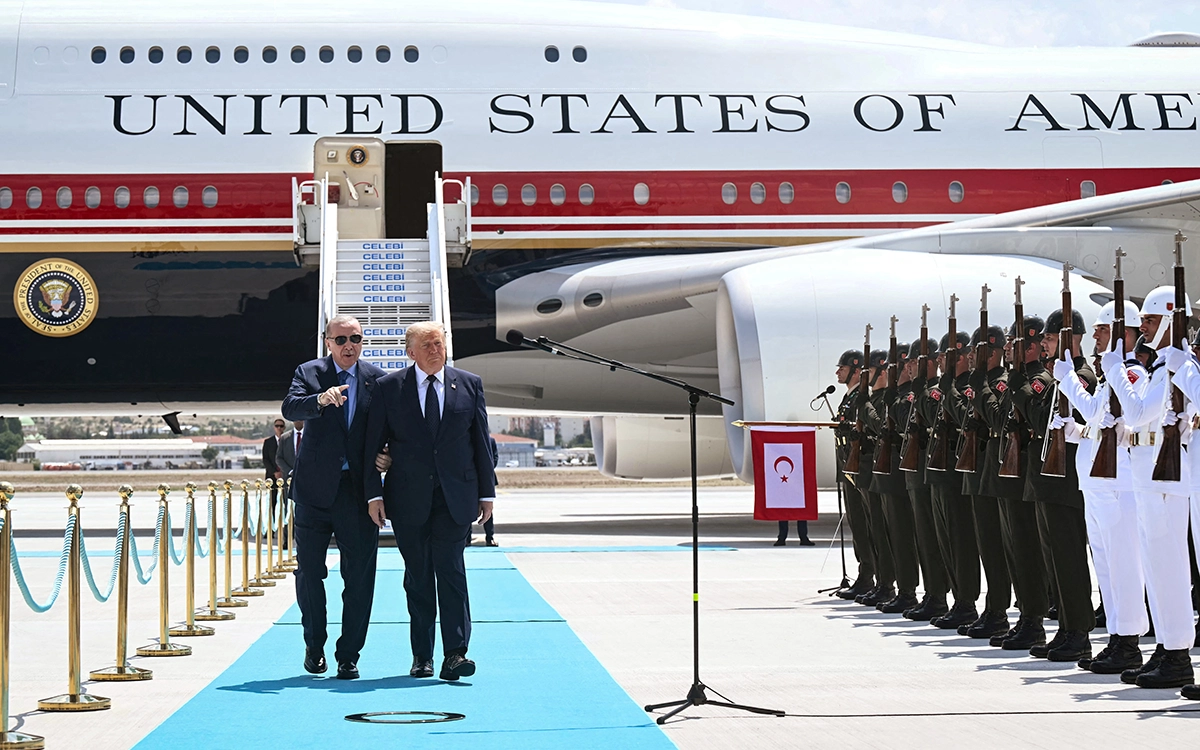
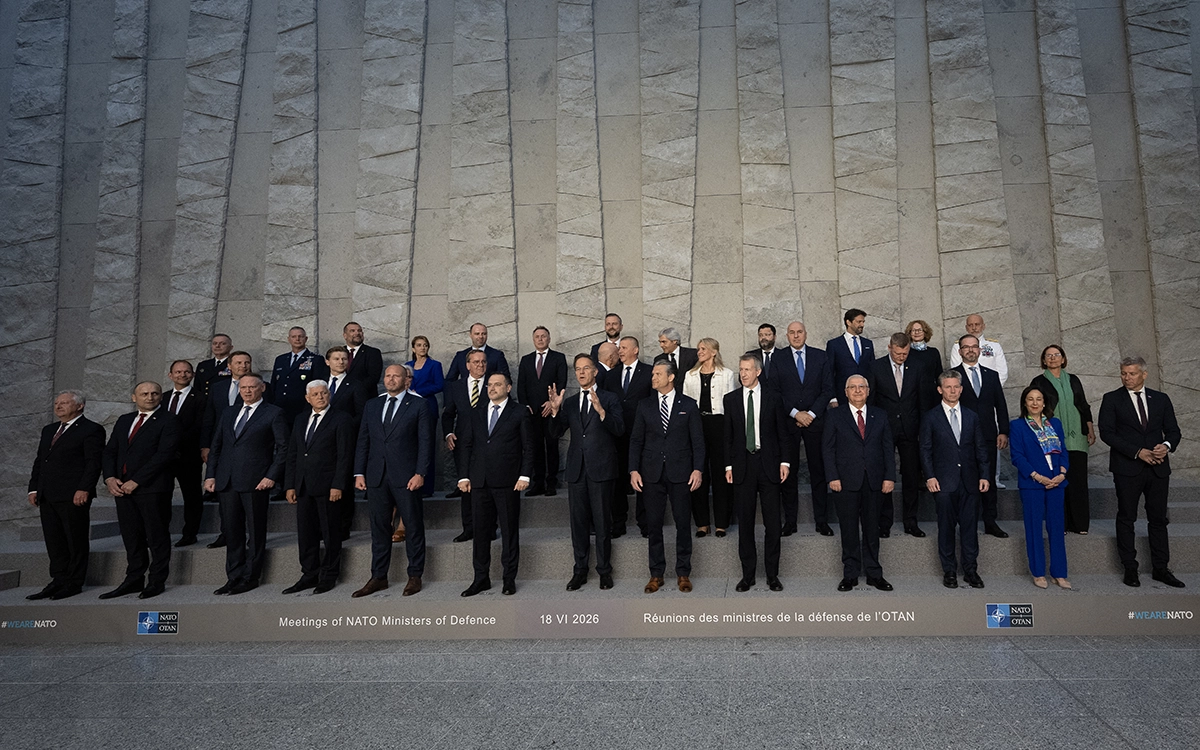
For almost 80 years, the United States has run the most successful alliance in modern history at a bargain price. This week, in Ankara, it may begin to give that bargain away. When defense ministers gathered in Brussels last month, the American secretary of war set out the terms. Pete Hegseth wants a leaner but harder alliance, built on “real military capabilities” and led by Europeans, not Americans. He ordered a six-month review of American forces on the continent and tied future commitments to allied spending. Even Secretary of State Marco Rubio calls the coming summit “probably the most important meeting in NATO’s history.”
To Washington’s accountants, this is a dispute over money, the latest round in the fight over who pays for European defense. Seen through the lens of grand strategy, it is something graver: the deliberate surrender of an asset built over decades. The American leadership of NATO was the machinery that converted raw political and economic power into sustained alliances with states that lined up behind Washington because they wished to, not because they were compelled. By trading leadership for savings, the United States risks giving away the cheapest forms of primacy a great power has ever enjoyed.
Hegemony by Consent
NATO was never merely a military pact. Even at the founding, its architects meant it to do political work as much as martial. Lord Ismay’s phrase caught it: “keep the Russians out, the Americans in, and the Germans down.”
Yet the alliance became a true community only after the Cold War. Rather than wind down with the Soviet threat, it redefined itself around liberal democracy and expanded across half the continent. It turned the former communist East into the West, schooling new members in the rule of law before admitting them. What grew from this was a security community, a zone where war among members had become unthinkable. The soldiers and the bases mattered; the readiness to follow mattered more. Membership became a reward for becoming Western, not a receipt for protection.
The soldiers and the bases mattered; the readiness to follow mattered more. Membership became a reward for becoming Western, not a receipt for protection
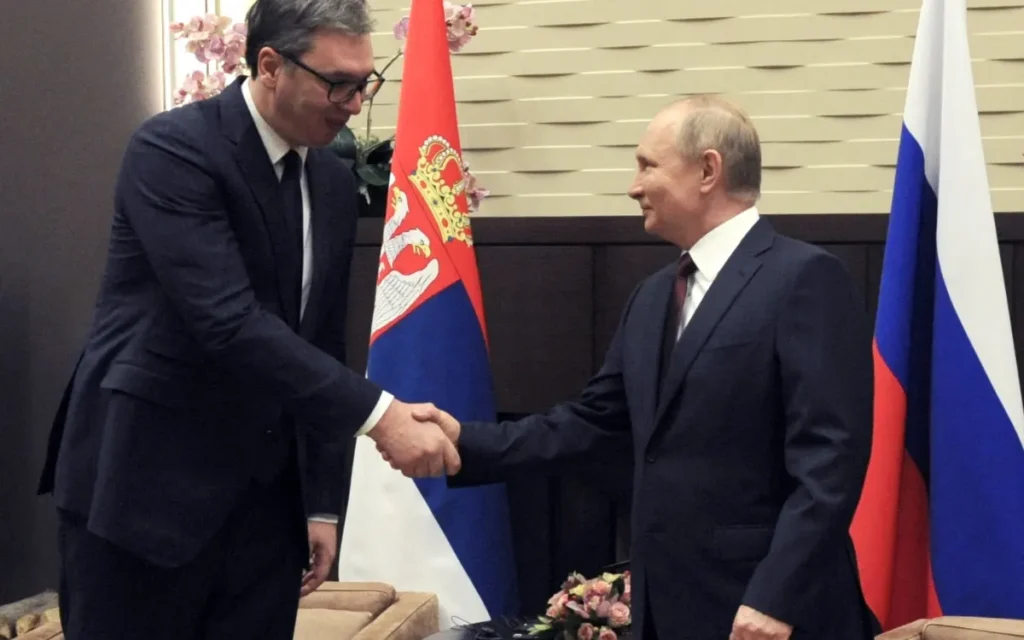
So powerful was that pull of post-Cold War NATO that it even reached Moscow. The alliance grew appealing enough that Russia itself briefly wanted in. In 2000, Vladimir Putin said he could scarcely imagine NATO as an enemy and did not rule out joining it. He described Russia as part of European culture and, in his words, the “civilized world.” The draw was identity as much as protection: to enter the alliance was to be counted as Western.
NATO 3.0 – An Alliance Narrowed to Hardware
Identity is the asset NATO 3.0 would be willing to sell. In the American version, articulated by the Pentagon’s Elbridge Colby, the alliance has gone through three phases. NATO 1.0 was the lean military pact of the Cold War. NATO 2.0 was the post-Cold War sprawl, when Europe disarmed and the alliance strayed far from hard power. NATO 3.0 is the march back to a fighting core, Europe carrying conventional defense while Washington keeps the nuclear umbrella. Its two points of focus, “real military capabilities” and led by Europeans, point the same way: it is becoming an alliance narrowed to hardware, with the leadership that gave it meaning removed.
Washington sells this as retrenchment done right: drop the dependents, rebuild the warfighting alliance, redirect American strength toward China. Set against how power actually works in Europe, it is closer to self-harm. What Colby and Hegseth deride as post-Cold War drift may in fact have been NATO’s most consequential work. The enlargement, the new members socialized, the missions from the Balkans to Libya and even 9/11: this was when the alliance became a security community and the backbone of the Western order.
NATO 3.0 would undo it. It keeps the security and discards the community, stripping out the shared identity that made the hardware worth having and turning willing allies into paying clients. That does not concentrate American power but trades the durable legitimacy of a community for a smaller defense bill. Allies who once followed by choice will come to resent the bargain, and resentful allies generally do not stay.
NATO 3.0 keeps the security and discards the community, stripping out the shared identity that made the hardware worth having and turning willing allies into paying clients
NATO has known quarrels before, but this is different in kind. Its mutual defense clause has fired once in eight decades, when European allies invoked it to stand with America after September 11. They went to fight and die in Afghanistan, treating the assault on New York as an assault on the West itself. That was the alliance at its least military and most political, a community of values closing ranks around a wounded member.
Loyalty and Its Limits
The states with most to lose are in Europe, and they have read the message. That the continent would take on more of its own defense was always likely, as American attention turned to Asia and European budgets stayed thin. Managed as a gradual, deliberate handover, the shift might even have strengthened the West. Washington is instead forcing it through at speed, and a sudden break weakens the alliance it claims to strengthen. European allies face a second danger: being pulled into another American war in the Middle East, with the last one still fresh in memory. Pushed toward the conflict on Iran this year, Spain, Italy, and Britain hesitated and were told by their U.S. allies that their reluctance was “shameful.”
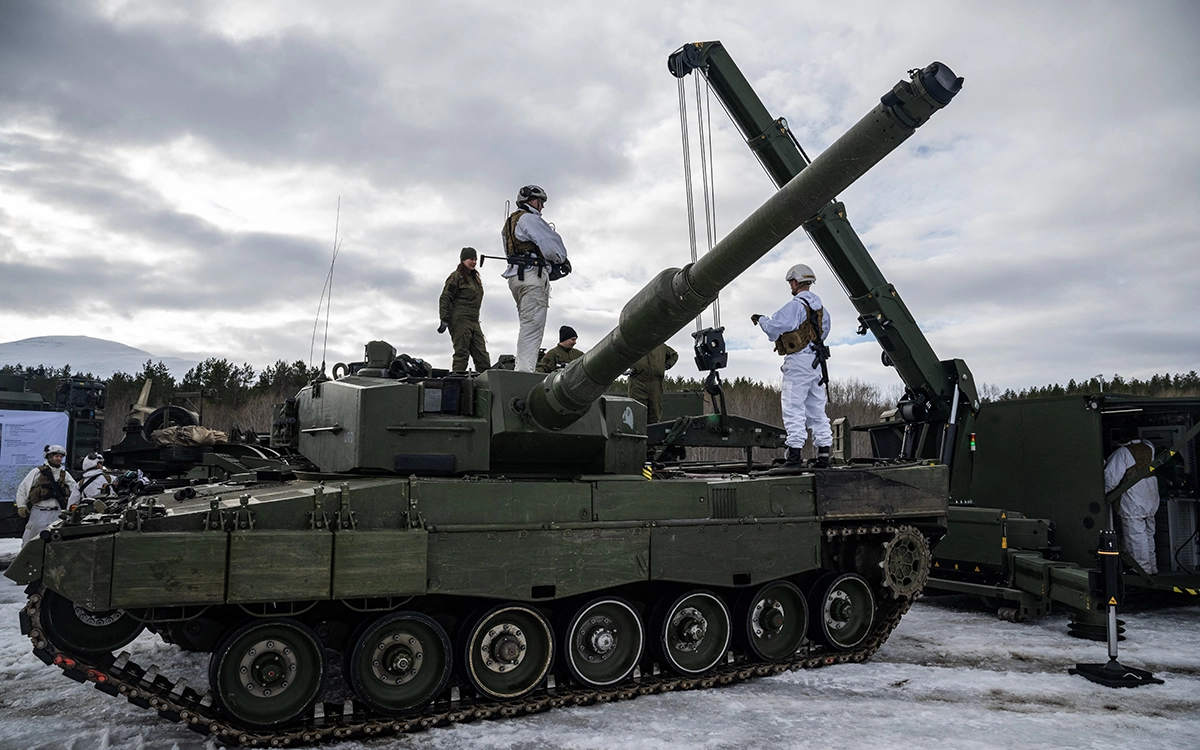
Even so, Europe’s first instinct has been to draw closer. In Berlin, on June 24, the five largest members pledged a “stronger Europe in a stronger NATO” and an “unwavering” bond. They even thanked Trump for the ceasefire he had just brokered. The more eagerly Europe reassures, the more its anxiety is revealed.
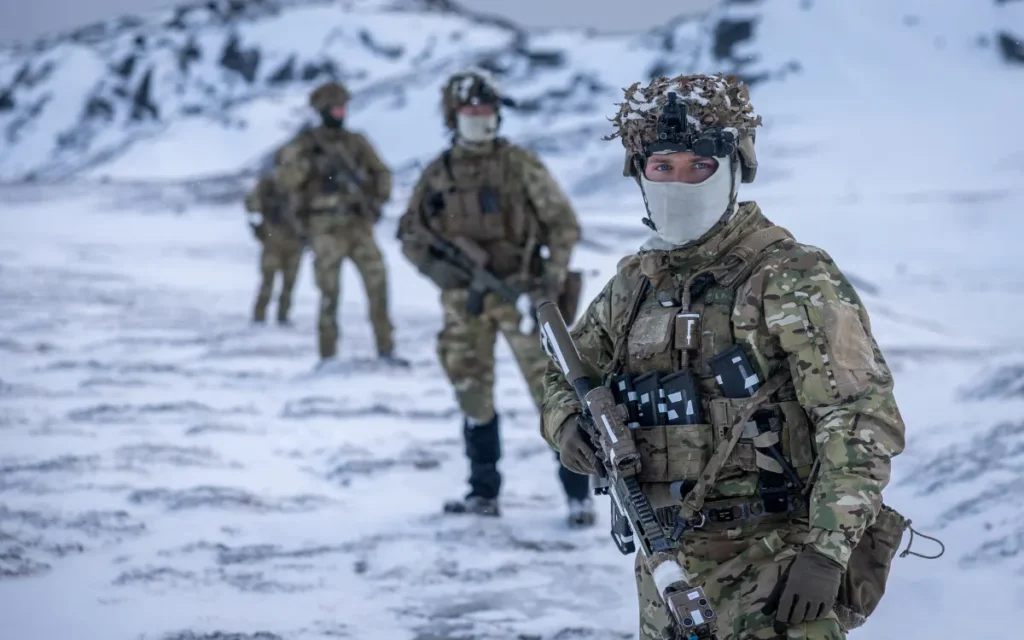
Beneath the reassurances, the old logic of alliances reasserts itself: a less reliable patron pushes its clients toward strategic hedging. The drawdown has already begun, with some troops leaving Germany and the eastern flank, planned missile deployments canceled, and brigades thinned. Paris and Berlin now weigh whether the French nuclear arsenal might effectively shield the continent. In Brussels, officials debate whether the EU’s own mutual-defense pledge, Article 42.7, could stand in for a paralyzed NATO. The European Commission, meanwhile, has begun building an intelligence service of its own, assembling what national agencies will share. For Europe’s planners the calculation is bleak but simple: the American exit is coming whatever they do, so there is nothing to lose in preparing for it.
For Europe’s planners the calculation is bleak but simple: the American exit is coming whatever they do, so there is nothing to lose in preparing for it
Managing Trump
The summit’s choreography is set. To indulge the patron, NATO Secretary General Mark Rutte has reduced the alliance to the one subject that holds Trump’s attention: money. He arrived at the White House with slides on European defense spending and rebranded the continent’s rearmament as the “Trump Trillion.” In Ankara, the Europeans will bring orders for American weapons worth tens of billions—the price of Washington’s attention. This is the grammar of a transaction, not a community. The North Atlantic alliance can grow richer and less reliable at once.
As the world slides back toward great-power politics, the United States is dismantling the most valuable thing it owns: a West that acts as one. NATO is simply where the damage shows first and most clearly. Ankara may quietly ratify the breakup of the Western bloc as a single pole of power. Yet dissolution may not even produce a European pole in its place. A continent that still hosts tens of thousands of American troops and relies on U.S. satellites and the American nuclear umbrella is far from the strategic autonomy a true pole would demand.
More likely than a single Europe standing alone is a scatter of lesser powers, each cutting its own bargains with Washington, Moscow, and Beijing. What Ankara will test is not simply Europe’s willingness to spend more, but whether the West still holds together as a pole of power.