
As instability in the Red Sea continues to disrupt global shipping and force companies to reassess supply-chain risks, East Africa is drawing renewed attention as a trade and logistics gateway between Africa, the Gulf, and Asia. It is not replacing established routes, but its ports and inland corridors are becoming increasingly valuable to governments, firms, and investors seeking resilient supply chains, diversified logistics, and access to inland African markets.
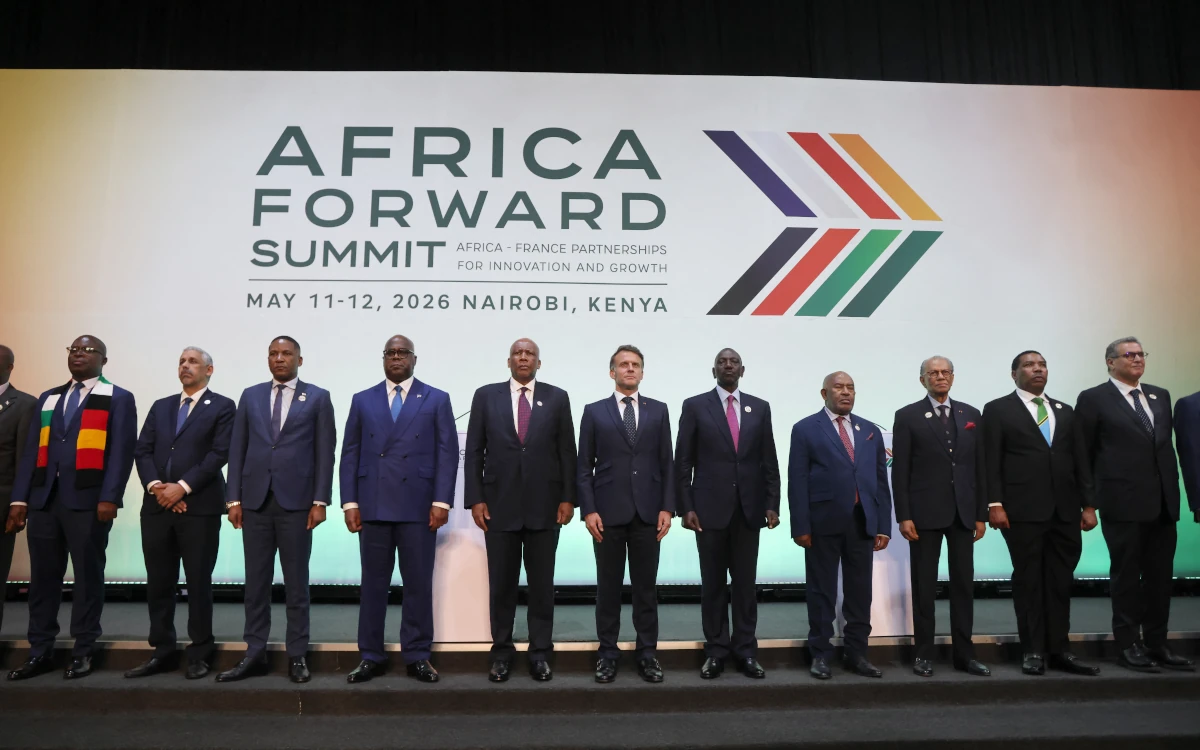
This shift towards East Africa was reflected in discussions around the Africa Forward Summit 2026 in Nairobi and the Africa CEO Forum 2026 in Kigali, which together pointed to a wider policy direction. Future African growth will depend less on isolated infrastructure and more on integrated trade systems. The underlying message across both summits was clear: as global commerce becomes more fragmented and regionalized, East Africa’s strategic geography, expanding infrastructure, and proximity to Indian Ocean shipping lanes are becoming increasingly valuable.
As global commerce becomes more fragmented and regionalized, East Africa’s strategic geography, expanding infrastructure, and proximity to Indian Ocean shipping lanes are becoming increasingly valuable
The region is also attracting fresh international investment, reinforcing its growing role in trade and logistics. French President Emmanuel Macron used the Nairobi summit to announce $27 billion in joint African–French investment commitments spanning infrastructure, energy, logistics, and technology. Among the most notable commitments was an $800 million investment by French shipping giant CMA CGM to upgrade the Port of Mombasa.
The timing is significant, as Red Sea instability has disrupted shipping and forced companies to rethink routing and risk management. The World Bank described the Red Sea crisis as a major shock to global trade and maritime transport in 2025. After years of supply-chain disruption, governments and firms are now looking more closely at alternative routes, flexible logistics networks, and regional trade corridors.
Integrated Corridors Over Individual Projects
The Africa CEO Forum placed logistics at the center of Africa’s competitiveness debate. Its 2026 program noted that Africa moves about 80 percent of its freight by road, the continent’s most expensive mode of transport. This highlights a central weakness in many African infrastructure plans. Ports, roads, railways, and industrial zones often develop as individual projects, delivering less value when they do not operate as integrated economic corridors.
East Africa is trying to close that gap as Kenya, Tanzania, Uganda, Rwanda, Ethiopia, and neighboring inland economies invest in ports, railways, roads, dry ports, and industrial zones. The objective is not only to move goods faster, but also to link maritime trade with manufacturing, agriculture, energy, mining, and regional consumer markets.
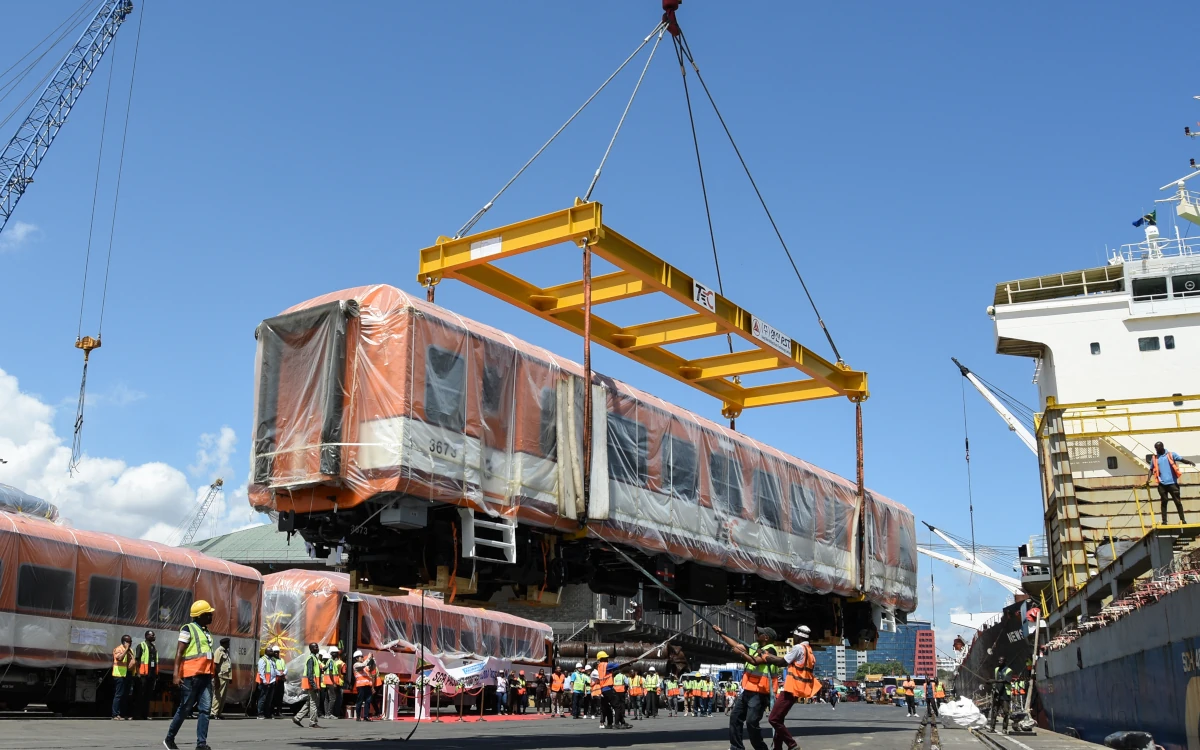
The Port of Dar es Salaam, for example, is a regional gateway for landlocked economies that need reliable access to the Indian Ocean. It handles about 95 percent of Tanzania’s international trade while also serving Zambia, the Democratic Republic of Congo, Burundi, Rwanda, Malawi, Uganda, and Zimbabwe. Tanzania’s logistics strategy is becoming more ambitious. The ongoing Dar es Salaam Port Modernization project, launched in 2018, includes upgrades to berths, harbor deepening, improved cargo handling, and a better port layout. That makes the port more than a national asset; it is an important node of economic connectivity in the region.
The country is also expanding rail connections. In April 2026, Standard Chartered said it arranged $2.33 billion in financing for sections of Tanzania’s Standard Gauge Railway. The new line is designed to connect Dar es Salaam with Mwanza and support cargo movement to neighboring states.
Kenya is moving in the same direction through Mombasa. The Africa Forward Summit highlighted fresh investment interest in Kenya’s port and logistics infrastructure, including reported commitments linked to Mombasa’s expansion. This creates a competitive but useful regional dynamic. Dar es Salaam and Mombasa are not simply rivals. Together, they strengthen East Africa’s value as a multi-corridor trade zone. For investors, that matters, as a single congested port or a disrupted border can paralyze an entire supply chain. Multiple corridors offer traders more options and flexibility.
For governments, the competition is also political. Ports are not only hubs for commodities; they are also instruments of influence, revenue, and regional leverage. Countries that move cargo more quickly and efficiently gain strategic weight.
The Gulf and Asia
East Africa’s geography gives it a clear advantage in the current geopolitical environment. The region faces the Indian Ocean and sits between African inland markets, Gulf capital, and the largest manufacturing networks in the world in East Asia. This has made infrastructure diplomacy more competitive, especially as Gulf states expand their interests in ports, logistics, food security, aviation, and energy. Chinese influence remains central through rail, road, and port construction, as well as financing, under the umbrella of the Belt and Road Initiative. Previous port upgrades in Mombasa and Dar es Salaam were financed and built by Chinese state-owned entities.
Yet European actors are also vying for influence. Reflecting this multipolar environment, the Africa Forward Summit’s official platform framed the gathering as an Africa–France partnership focused on investment, infrastructure, climate, technology, and economic transformation. The strategic issue is not whether East Africa will choose one partner, but whether governments can use competing external interests to secure better infrastructure, financing, technology transfer, and industrial capacity.
The strategic issue is not whether East Africa will choose one partner, but whether governments can use competing external interests to secure better infrastructure, financing, technology transfer, and industrial capacity
That outcome is not guaranteed, as foreign capital can improve connectivity, but it can also deepen dependency. Poorly structured concessions can shift control of strategic assets without building domestic value. The region’s long-term influence will hinge on whether infrastructure is built to strengthen production capacity and benefit domestic economic interests, rather than merely facilitating extraction and transport.
Industrial Capacity Test
The most important question is whether East Africa can move beyond logistics. Ports and corridors generate transit revenue and logistics fees, but industrialization generates deeper economic power and longer-term development potential. This is where industrial parks, energy infrastructure, refining capacity, and storage systems become relevant. They determine whether the region merely moves extracted materials or also processes and manufactures them, embedding the industry locally and providing additional opportunities.
Critical minerals sharpen this issue, as Eastern DRC, Zambia, and Tanzania are linked to global demand for copper, cobalt, graphite, and other inputs used in energy transition technologies. Efficient corridors can help these exports reach global markets. But without processing capacity that gives local economies a stake in the development, East Africa risks becoming a faster route for raw materials rather than a strong and durable industrial base. Energy projects carry the same lesson. Reported interest in large-scale refining and fuel infrastructure in East Africa may be commercially important. However, such projects should be treated as prospects rather than confirmed transformations.
The analytical test is simple: a logistics boom becomes strategic only when it supports value addition, jobs, and regional production. Without that, it remains a story of transit and extraction.
Geopolitical Consequences
Red Sea instability has made routing flexibility more valuable. It has also reminded governments that maritime chokepoints can quickly become economic vulnerabilities. East Africa benefits from this attention, but only within certain limits. The region does not replace the Red Sea, Suez, or Gulf routes. It offers complementary options for storage, redistribution, inland access, and regional trade. Nevertheless, the recent shift is still a significant development. As firms diversify their supply chains, they seek nodes that reduce concentration risk and bottlenecks. East Africa’s ports and corridors can serve that purpose for trade involving Africa, Asia, and the Middle East.
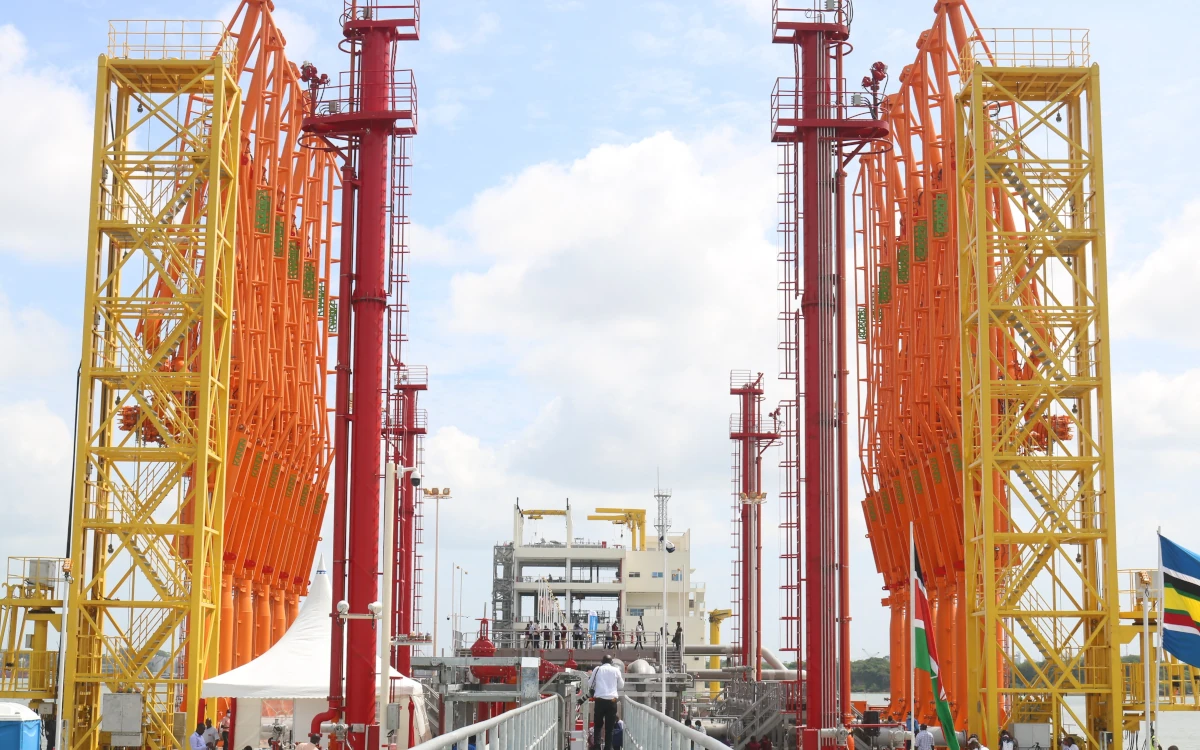
The geopolitical implications are clear. More logistics value will attract more external interest. That means more financing, more diplomatic engagement, and more competition over influence. Yet it also means higher governance risks, as debt sustainability, concession transparency, customs efficiency, and government coordination will determine whether the region captures long-term value.
Despite the recent moves, East Africa still faces major constraints, including infrastructure gaps, political risk, customs inefficiencies, debt pressures, regulatory fragmentation, and security challenges. Moreover, many planned investment projects across Africa have historically failed to materialize fully. In South Africa, only 42 percent of investment pledges made since 2018 have translated into real economic activity, highlighting the persistent gap between commitments and execution.
Despite the recent moves, East Africa still faces major constraints, including infrastructure gaps, political risk, customs inefficiencies, debt pressures, regulatory fragmentation, and security challenges
East Africa’s long-term success will therefore depend less on summit rhetoric and more on execution: improving transport efficiency, harmonizing regional trade systems, strengthening industrial capacity, and ensuring that infrastructure investments generate broad economic value rather than creating isolated commercial enclaves.
The broader trajectory is becoming increasingly evident. As supply chains diversify and geopolitical rivalries continue to reshape global trade, East Africa is emerging as a strategically important gateway for trade and logistics, not as a dominant force, but as an increasingly vital player in the future evolution of global trade flows.
Whether that development translates into lasting regional benefit, moving beyond the historical pattern of resource extraction and towards a holistic development model, will depend on how effectively East African governments manage the growing external interest in the region.