
Exclusive
The Lebanese Army is expressing reservations over any direct coordination with Israeli forces, while Berri and the Islamic Group move to restrict the implementation track of the U.S.-backed agreement and prevent its domestic repercussions
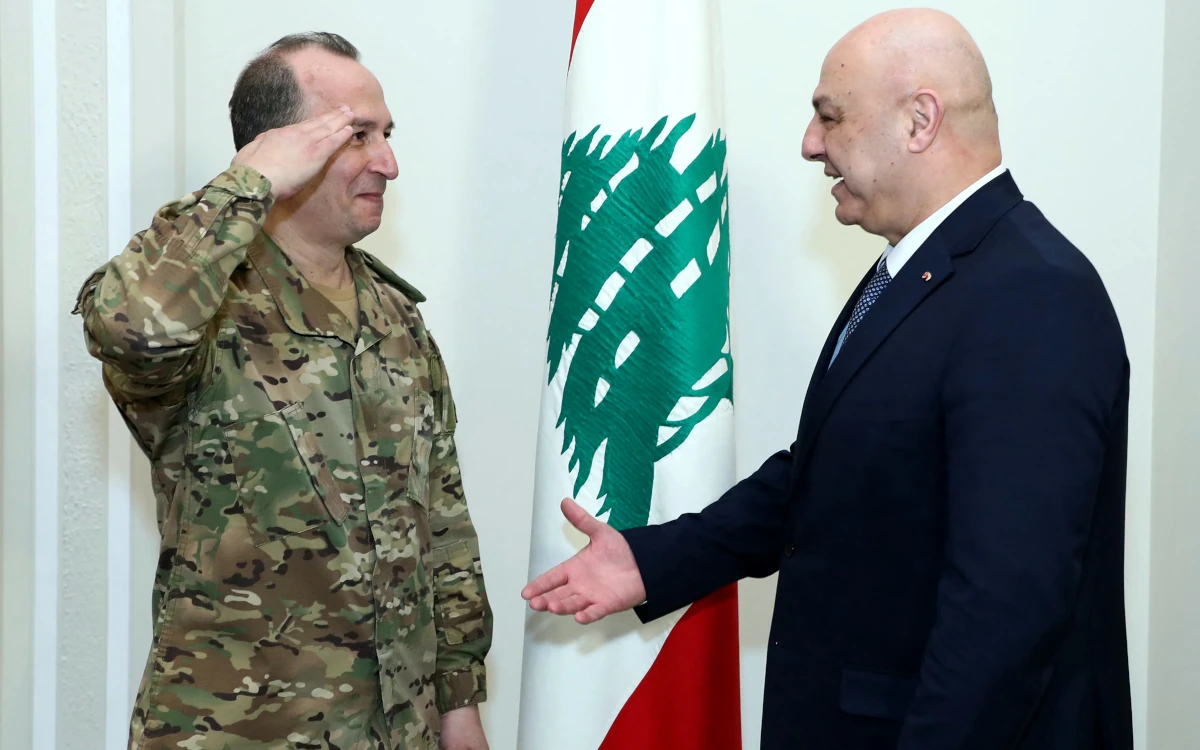
Informed Lebanese sources told Eagle Intelligence Reports that the commander of the Lebanese Armed Forces, General Rodolphe Haykal, has informed President Joseph Aoun that the military rejects any implementation mechanism for the framework agreement between Lebanon and Israel that is based on direct coordination between the Lebanese and Israeli armies. Haykal warned that such an arrangement could open the door to serious domestic repercussions within the army and in the broader Lebanese political environment.
The sources said the army commander conveyed his position during a meeting with President Aoun held at Baabda Palace. The talks focused on the implementation track of the U.S.-backed agreement, particularly as it relates to the role of the Lebanese Army in the south, deployment mechanisms, and arrangements for a gradual Israeli withdrawal. The meeting was also dedicated to discussing the limits of the field communication required to ensure that no friction or security vacuum occurs in areas that are supposed to gradually come back under the authority of the Lebanese state.
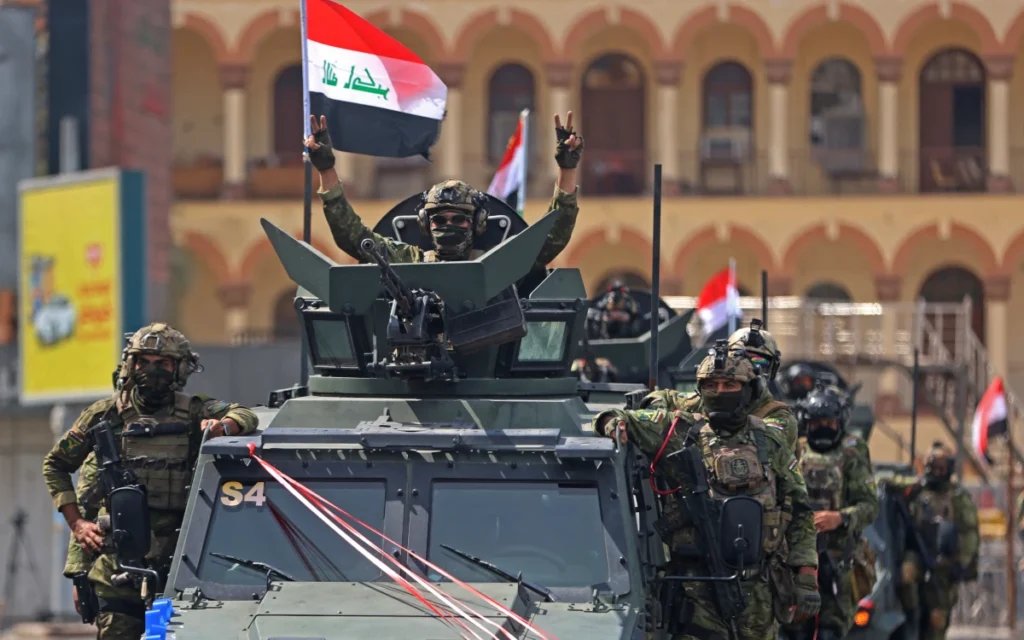
According to the sources, Haykal stressed to the president that the Lebanese Army is capable of carrying out its sovereign duties inside its territory, strengthening its deployment in the south and maintaining security within the constitutional and legal powers granted to it. However, he rejected being pushed into an arrangement that would be read domestically as direct military coordination with Israel, given the political and national sensitivity such an arrangement carries within the armed forces and across Lebanese society.
General Haykal rejected being pushed into an arrangement that would be read domestically as direct military coordination with Israel, given the political and national sensitivity such an agreement carries within the armed forces and across Lebanese society
The sources explained that the army commander warned that any direct mechanism between the two armies could create a rift within the armed forces. This would come, Haykal explained, at a moment when the military is being asked to play a central and sensitive role, whether in controlling the south or in managing a highly complex transitional phase linked to placing arms exclusively in the hands of the state, dismantling unofficial military structures, and reasserting state authority over all its territory.
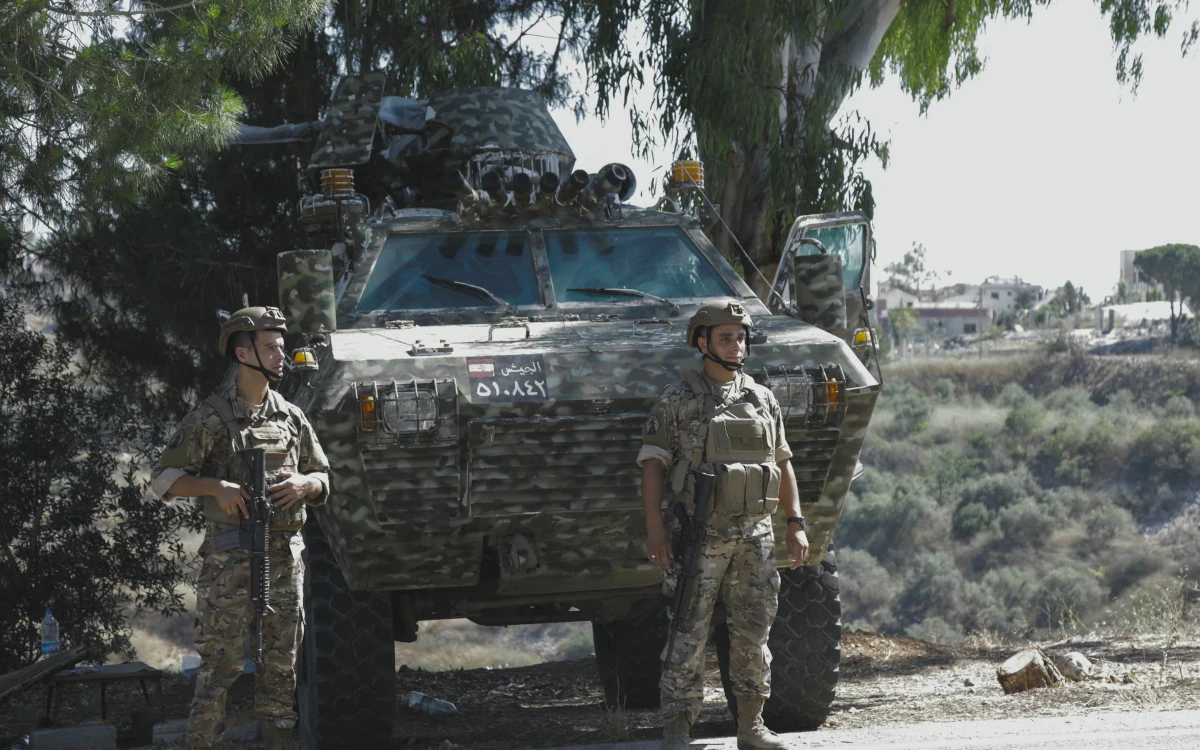
Haykal’s position comes as the U.S.-led track aimed at transforming the Lebanon–Israel agreement progresses from a general political understanding into a multi-stage implementation plan. The proposal centers on expanding the Lebanese Army’s deployment in the south while establishing phased security arrangements in specific areas that would pave the way for a gradual Israeli withdrawal from the points and areas that remain flashpoints of tension. The process would be accompanied by concrete measures to restore the state’s monopoly on arms and prevent the return of any military activity outside its authority.
However, the main sticking point—according to the same sources—is no longer confined to the details of military deployment or the geographic lines of withdrawal. Instead, it concerns the deeper political question: how can the Lebanese state implement internationally required security commitments without appearing as though it is entering into direct arrangements with Israel? How can it do so without placing the Lebanese Army in a position that could threaten its internal cohesion or its standing as one of the country’s few remaining institutions that still enjoys a minimum degree of national consensus?
The available information indicates that the framework agreement, which emerged under U.S. sponsorship following rounds of diplomatic engagement and pressure, is viewed in Washington as a pathway toward rebuilding the authority of the Lebanese state in the south and laying the groundwork for long-term security stability along the Lebanon–Israel border. However, various Lebanese political forces view it as an extremely sensitive initiative because it links the Israeli withdrawal, the role of the Lebanese Army, and the future of Hezbollah’s armed status—issues that extend beyond the border dimension and touch the core of Lebanon’s internal balance of power.
Various Lebanese political forces view it as an extremely sensitive initiative because it links the Israeli withdrawal, the role of the Lebanese Army, and the future of Hezbollah’s armed status
In this context, the sources reported that Parliament Speaker Nabih Berri has begun a political effort to limit the agreement’s executive implementation or obstruct parts of it if it appears to bypass constitutional institutions or impose new security realities under external pressure.
Berri’s position reflects broader concern among influential Lebanese political forces that the agreement could become a framework for reshaping the country’s internal balance of power rather than simply a mechanism for addressing the security situation in the south.
In parallel, the sources said Secretary-General of the Islamic Group Mohammad Takkoush has begun consultations with Lebanese Islamic movements to formulate a unified position rejecting the Lebanon–Israel agreement, on the grounds that it goes beyond Lebanon’s internal political consensus and opens the door to a highly sensitive political and security process. Should those efforts culminate in a joint statement or broader political front, they would increase pressure on both the government and the presidency at a time when Beirut needs broad domestic support to implement any security arrangements.
Political sources fear that the absence of internal consensus could turn the army into a focal point for Lebanon’s political divisions, particularly if it is asked to implement security measures in politically and sectarian-sensitive areas or participate in field arrangements that Lebanese parties may interpret as part of an undeclared normalization process with Israel.
The army’s position reflects an effort by its leadership to draw a distinction between two issues: implementing the Lebanese state’s decision to extend its authority over the south and place arms exclusively in the hands of legitimate institutions—a core element of the state’s sovereign doctrine—and entering into mechanisms of contact or direct coordination with the Israeli military, whose domestic political cost may outweigh any operational benefit of implementation.
Beirut now appears to be facing a delicate balancing act. On the one hand, it is under international pressure to demonstrate a real capacity to restore state sovereignty in the south and prevent arms from remaining outside state control. On the other hand, it fears that rushing to implement the agreement could provoke internal political confrontation or undermine cohesion within the military itself.
Beirut now appears to be facing a delicate balancing act: it must balance pressure to restore state sovereignty in the south while avoiding provoking internal political confrontation and undermining support for the Lebanese military
Between Washington’s desire to advance an agreement presented as a historic opportunity to rebuild the authority of the Lebanese state and Lebanese fears that it could turn into a catalyst for renewed political and security divisions, the army’s position emerges as the first real test of the state’s ability to manage the next phase. The Lebanese Army, as the sources say, wants to be an instrument for restoring sovereignty—not a vehicle for arrangements that could weaken its national support.
The framework agreement therefore enters a more difficult and complicated phase than its signing or announcement. The challenge is no longer in drafting its provisions but in translating them on deeply divided Lebanese ground, where every security detail can turn into a political crisis and every step in the field may be read as a change in the rules of the country’s internal game.