
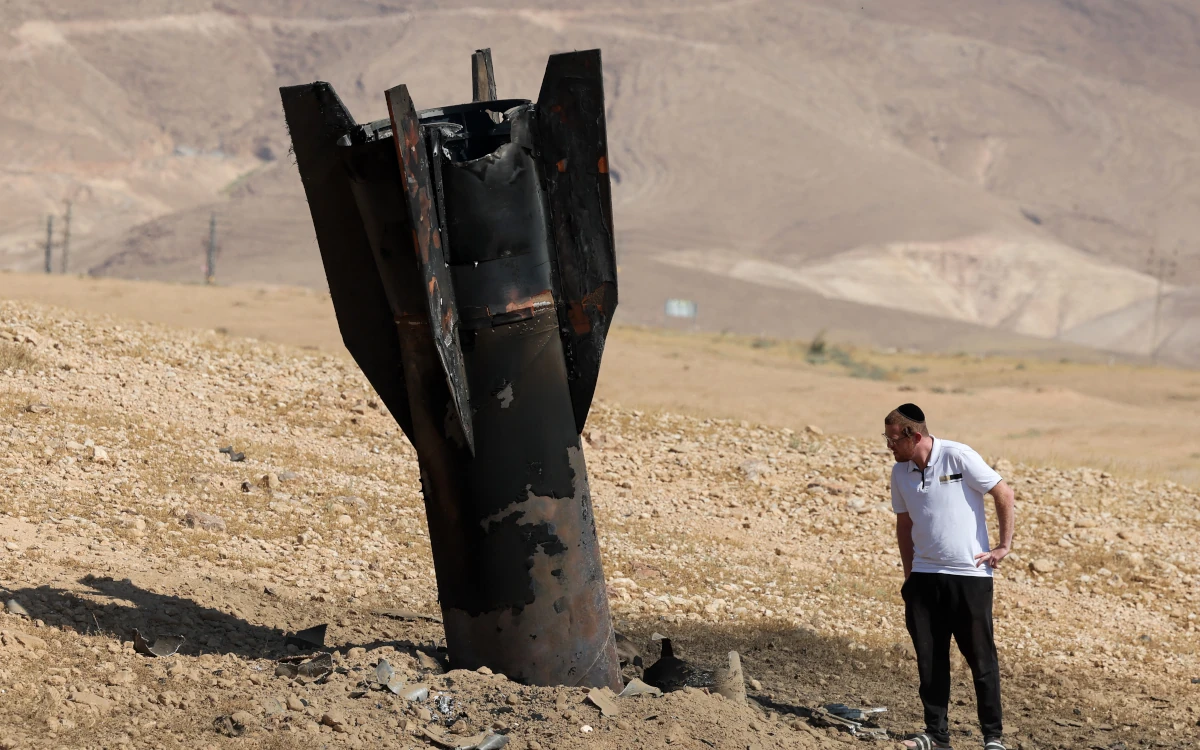
Rockets again pierce the sky across the Middle East as the fragile ceasefire in the war with Iran faces its most serious strain since April. The latest escalation comes as Israeli operations against Hezbollah-linked targets in southern Lebanon and Beirut’s southern suburbs provoke retaliatory Iranian rocket attacks on Israel.
The latest escalation complicates Washington’s already rocky peace talks with Iranian officials. Moving quickly to contain the escalation, President Donald Trump issued a series of strongly worded social media posts demanding that Iran and Israel “stop shooting.” The resumption of broad hostilities comes on the heels of regular Israeli violations of the ceasefire in Lebanon, and the subsequent Iranian targeting of Kuwait International Airport on June 3, which killed one and injured dozens.
The conflict’s flare-up suggests that the U.S.–Israeli coalition may be increasingly working at cross purposes. On Monday morning, Lebanese Prime Minister Nawaf Salam claimed Israel had carried out 3,491 air strikes, 407 demolitions, and six razing operations, flattening Lebanese villages in the country’s south. Israeli operations in Lebanon, which have targeted both Muslim and Christian communities, have provoked various Christian religious officials to issue condemnations. Pope Leo explicitly criticized the attacks as immoral and unacceptable, while the Maronite Patriarch of Antioch condemned the violence and called for a ceasefire.
An estimated 10–30 Iranian ballistic missiles targeted sites in Israel, stressing Israeli and American interception infrastructure, with several reaching their targets. Amid the recent escalation, Israeli Army Radio claims that Houthi forces in Yemen fired two rocket projectiles at Israel, with one falling short and the other being intercepted. The move indicates the increasingly likely possibility that Iranian proxies will be activated if the escalation continues.
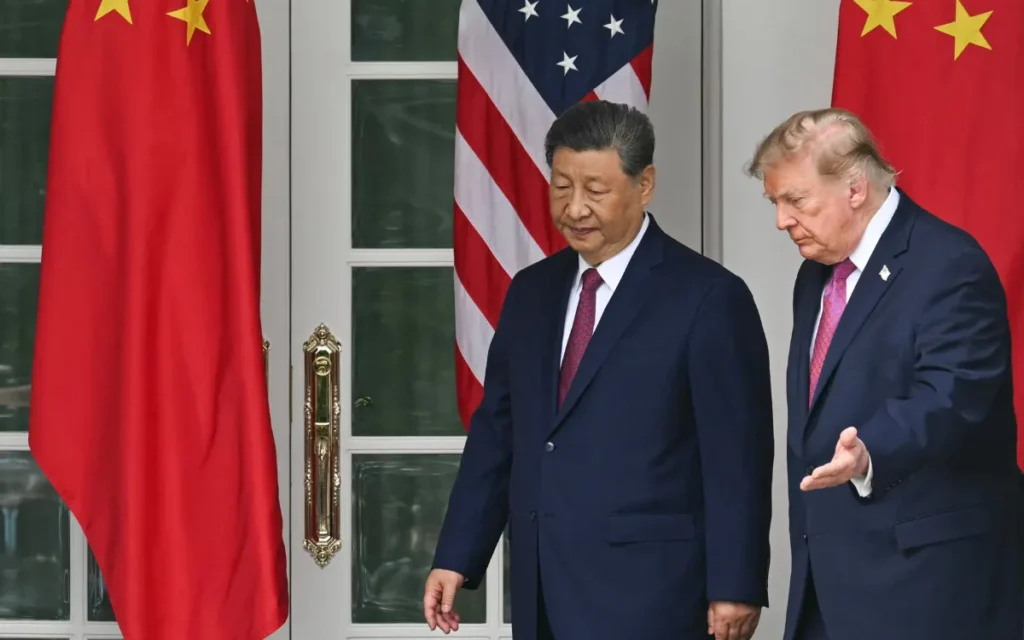
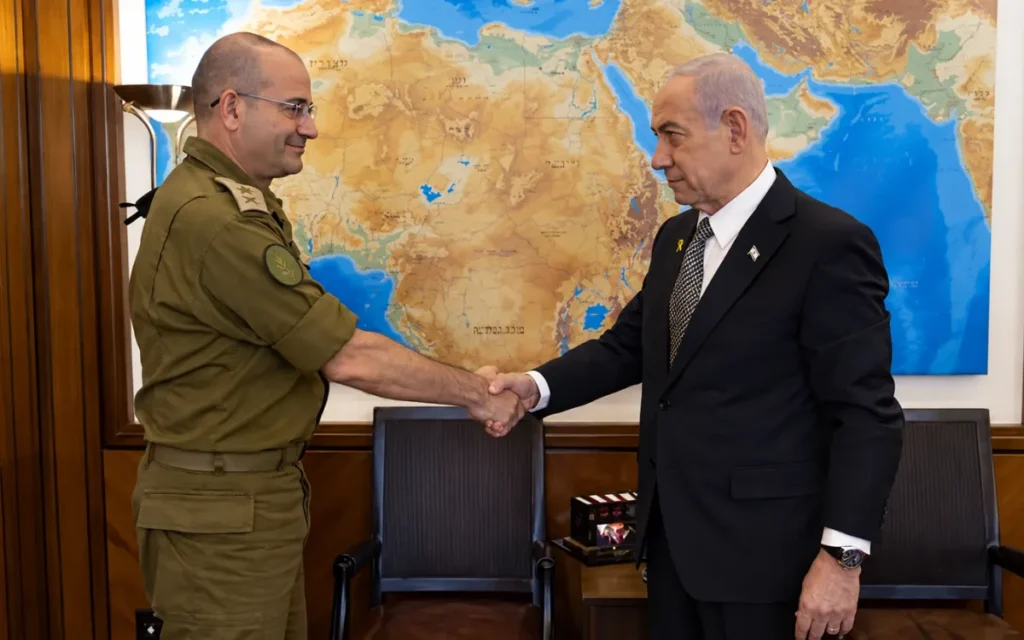
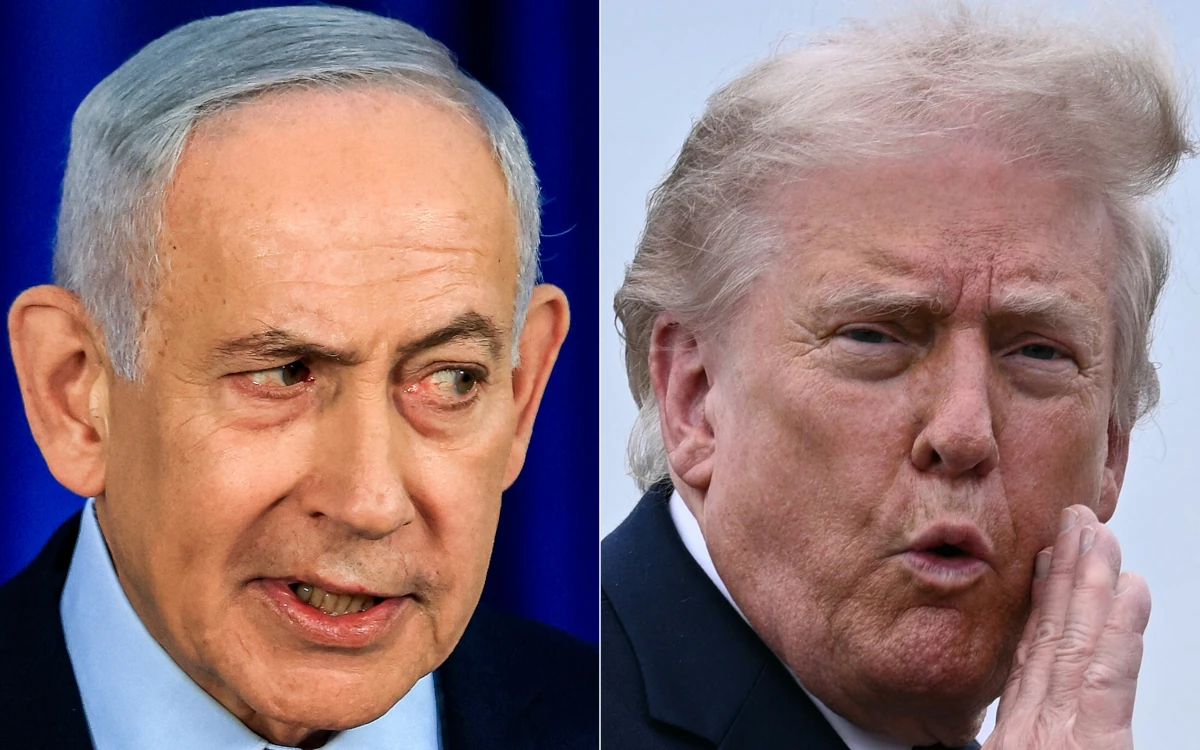
The escalation threatens to compromise Trump’s increasingly frustrated attempts to bring about a resolution to the conflict—or at a minimum, a Memorandum of Agreement—that would reopen the Strait of Hormuz. Trump told the press last week that he and Israeli Prime Minister Benjamin Netanyahu can “disagree in the morning” but agree by afternoon. The comments came after a US media outlet reported that Trump told Netanyahu he was “fucking crazy” in the context of Israeli escalation in Lebanon, which had led Iranian officials to threaten to abandon negotiations.
Indeed, the specter of reignited regional conflict hovers over the developments. As of around 11 a.m. GMT on Monday, Iran has called off further attacks until Israel again targets Lebanon, while Hamas has released statements praising the Iranian and Yemeni responses to Israeli operations. Trump again demanded a halt to hostilities in a Truth Social post Monday, saying that Israel and Iran “are looking to do an immediate CEASEFIRE,” unless “ignorance or stupidity” get in the way.
Houthi sources claim they are imposing a “total ban” on Israeli ships attempting to transit the Bab el-Mandeb Strait in the southern Red Sea. Such a move threatens to exacerbate the ongoing global energy crisis sparked by the U.S.–Israeli attack on Iran and the closure of the Strait of Hormuz.
The latest developments raise serious questions about Trump’s ability to facilitate a meaningful end to hostilities. Despite long-term structural U.S.–Israeli alignment, ongoing IDF operations continue to disregard Trump’s demands, which may indicate a serious conflict of interest within the bloc.
Moreover, the escalation threatens to further fracture the MAGA coalition within the United States ahead of November’s midterm elections. The coalition is already strained by an increasing number of Trump supporters moving into opposition over the Iran war and support for Israeli operations in the Middle East. Nevertheless, the U.S. Congress voted last week to deepen military ties with Israel through military and defense-industrial collaboration, even when support for Israel among Americans is at historic lows.
Trump has routinely used recent press appearances to assure the American public that Iran wants to make a deal and that the end of hostilities is near. Yet of the three players, the United States appears most keen on an immediate end.
As the ongoing conflict continues to drive up inflation and energy prices worldwide, a possible gap between Israeli and U.S. goals in the region is increasingly visible. Yet for Iran, which has long been in a state of siege and already operates under heavy sanctions, time may be on its side.