
Iran and Israel have resumed strikes after Tehran targeted Tel Aviv in retaliation for the alleged targeting of the southern suburbs of Beirut.
This marks a new phase in the escalating conflict, coinciding with the 100th day since the outbreak of war and following renewed hopes for an imminent agreement.
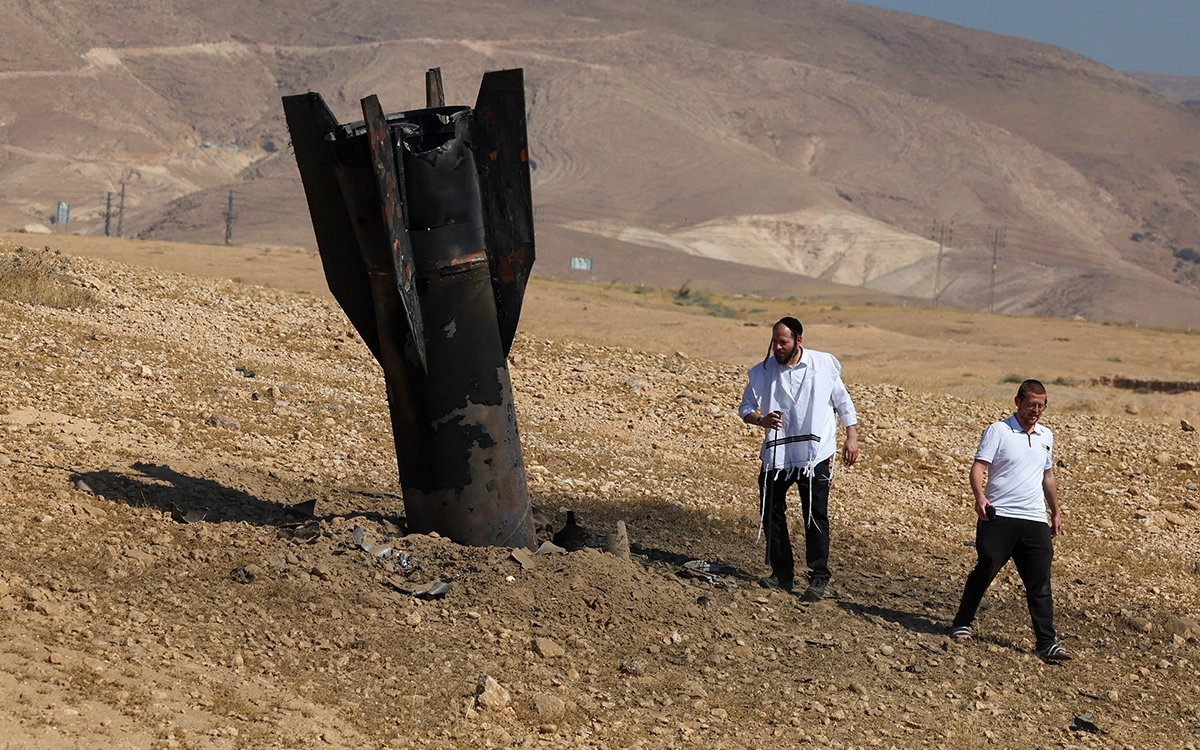
The Israeli army announced on Monday that it had carried out airstrikes on military targets in western and central Iran after the Islamic Republic launched missiles toward Israel for the first time since the ceasefire was declared on April 8.
The Israeli army stated that it attacked a petrochemical complex in Bandar Mahshahr, southwestern Iran.
In a statement, it added, “The Air Force, under the direction of Military Intelligence, attacked components within the petrochemical complex in Mahshahr, southwestern Iran,” a claim confirmed by Iranian media.
For its part, the Iranian Revolutionary Guard Corps (IRGC) stated that it targeted the Nevatim and Tel Nof military bases in Israel, in an exchange of fire that is the first of its kind since the ceasefire was declared two months ago.
The Revolutionary Guard issued a statement saying, “The operation was carried out in response to the missile attack launched by the Zionist regime against radar sites in three different locations inside Iran.”
The statement added that the attack targeted the Nevatim base in southern Israel and Tel Nof in the center of the country, two of Israel’s most prominent military bases.
The Israeli army announced Monday morning that it had detected missiles launched from Yemen, as explosions were heard in Tehran, Tabriz, and Isfahan, according to Iranian media.
The Houthis in Yemen claimed responsibility for the missile attack targeting Israel and announced a ban on Israeli shipping in the Red Sea, raising concerns about a return to instability in the vital waterway.
A statement issued by the Houthi armed forces read, “We announce a complete and total ban on maritime navigation for the Israeli enemy in the Red Sea.”
The Israeli army had announced Sunday evening that it had intercepted all the missiles launched from Iran.
For his part, US President Donald Trump said that the Iranian strikes “will not help the negotiations.” This came after an Israeli airstrike on Sunday targeted Beirut’s southern suburbs for the first time since the ceasefire agreement between Hezbollah and Israel on April 8.
That ceasefire has achieved little on the ground, as clashes, raids, and Israeli operations have continued in southern Lebanon.
Iran partially closed its airspace in the west of the country until further notice and suspended flights at Imam Khomeini International Airport, one of Tehran’s two main airports.
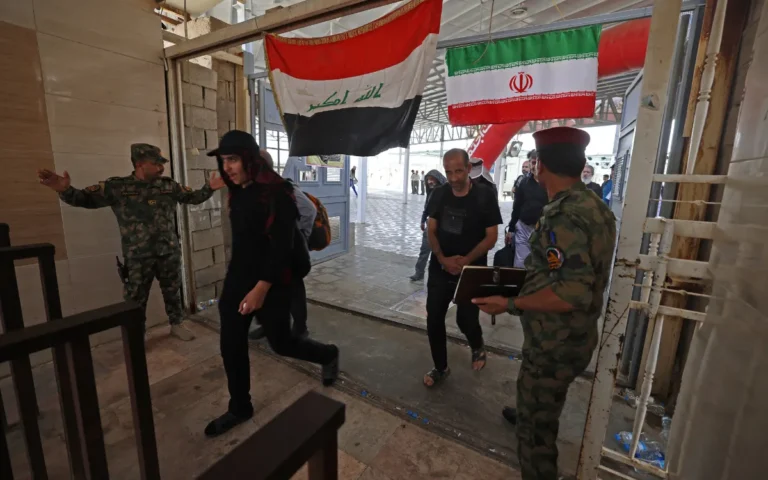
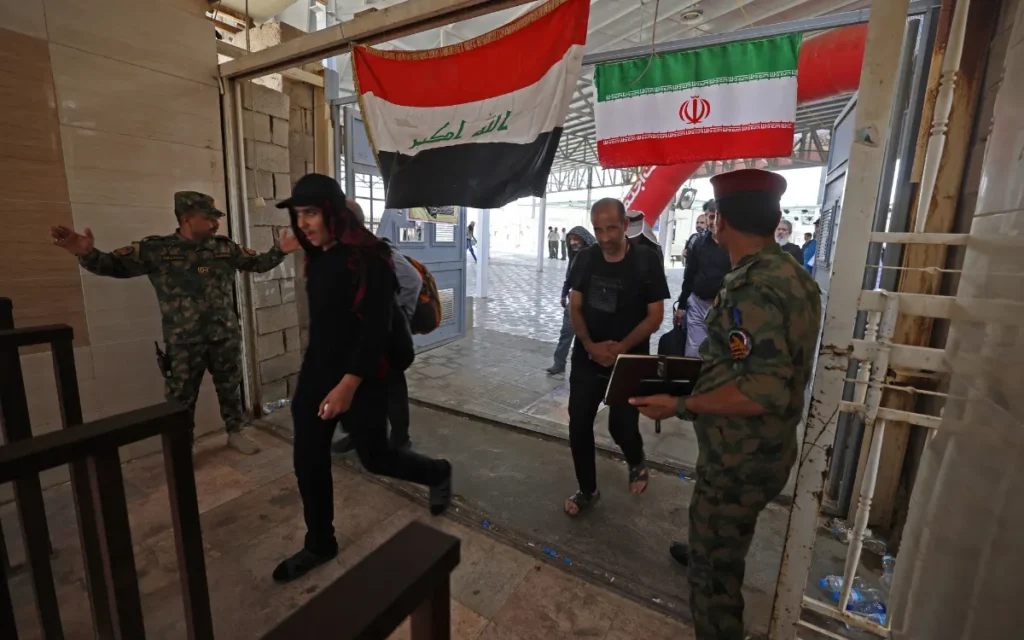
Neighboring Iraq announced a 72-hour closure of its airspace, while Syria announced a 12-hour partial closure of its airspace in the south of the country bordering Israel.
On Sunday, Trump said, “We are very close” to reaching an agreement with Iran, adding, “I think it could be signed Monday, Tuesday, or Wednesday of this week.”
Iranian Parliament Speaker Mohammad Bagher Ghalibaf on X declared that US and Israeli interests in the region have become “legitimate targets” following the Israeli airstrike on Beirut’s southern suburbs.
This comes as Donald Trump insists that talks between Washington and Tehran, mediated by Pakistan, are progressing, while Iran maintains that the United States and Israel are not respecting the ceasefire and insists on linking an end to the war in Lebanon to an end to the war in Iran.
In this context, the High Representative of the European Union for Foreign Affairs and Security Policy, Kaja Kallas, affirmed that the Middle East cannot withstand an escalation or a new war, stressing the need to find political and diplomatic solutions and a realistic way out of the crisis instead of fueling the military conflict.
Kallas’s statements come amid growing international concerns about the widening scope of the conflict, especially after the dangerous developments witnessed in the region and the continued warnings from EU officials. (AFP)