
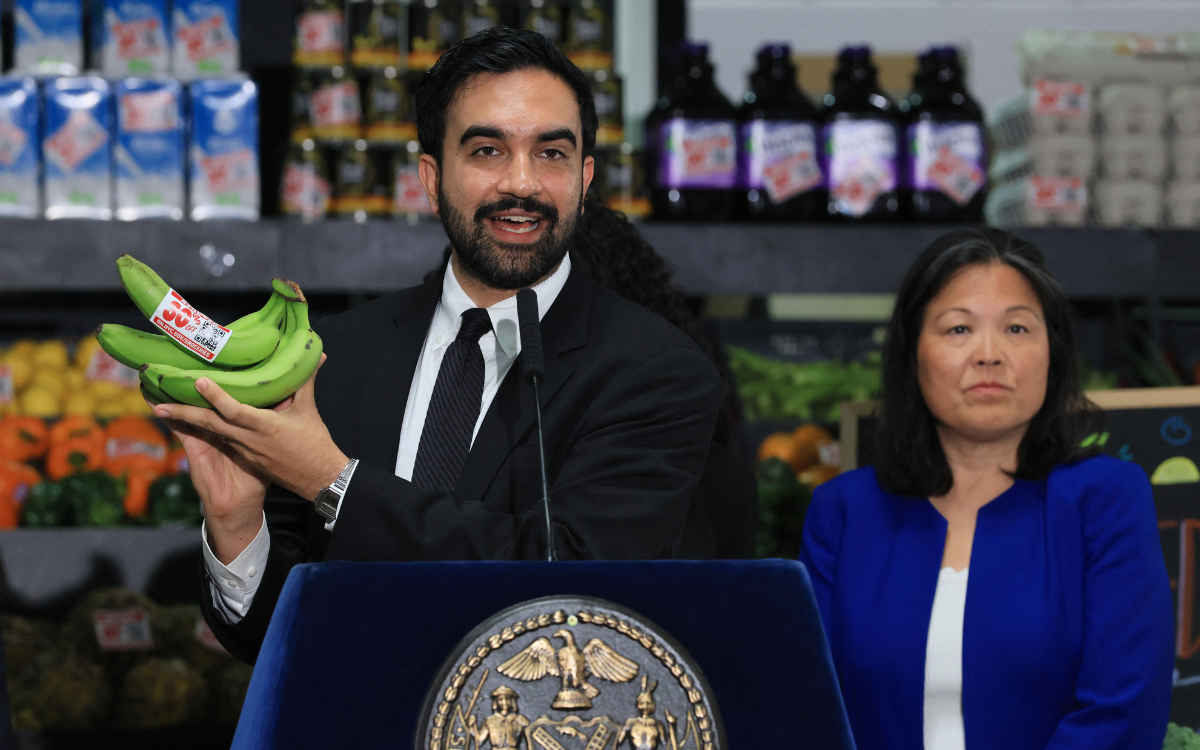
On January 1, a self-described democratic socialist took office in the largest city in the United States. Zohran Mamdani’s victory in New York City’s mayoral contest has since accelerated a broader debate over the growing influence of democratic socialism within U.S. politics. Mamdani’s campaign, centered on housing affordability, cost-of-living pressures, and a larger government role in the economy, has elevated a movement that had long existed on the political margins into one of the most visible currents in American politics.
Since Mamdani’s victory, several democratic socialist-aligned candidates have secured victories in Democratic strongholds, expanding the movement’s presence beyond activist organizations and into elected office. In New York, Mamdani-backed candidates Brad Lander, Claire Valdez, and Darializa Avila Chevalier have won democratic primary contests for House of Representatives seats. Democratic socialist candidates have gained influence elsewhere, including Katie Wilson’s victory in Seattle’s mayoral race and Janeese Lewis George’s victory in the Democratic primary for mayor of Washington, D.C., where she is heavily favored to win the general election. With the exception of Wilson, all are active or former members of the Democratic Socialists of America (DSA), the largest democratic socialist activist organization in the United States.
Since Mamdani’s victory, several democratic socialist-aligned candidates have secured victories in Democratic strongholds, expanding the movement’s presence beyond activist organizations and into elected office.
Beyond Progressive Urban Strongholds?
Until this week, the democratic socialist surge has been limited to urban, generally affluent districts where the electorate leans strongly Democratic, making the party’s primary effectively the deciding contest. But Florida state Representative Angie Nixon’s victory in Florida on Tuesday may change that. Nixon won the Democratic Senate nomination in a major upset over establishment-backed candidate Alex Vindman. Nixon’s campaign emphasized many of the same themes, including healthcare access, affordable housing, and expanded public services.
However, Nixon must still win the Senate race in November, where she is polling nearly 10 points behind Republican incumbent Ashley Moody. The contest will test whether economic populist messaging can attract voters beyond the heavily progressive urban districts where democratic socialist candidates have traditionally performed strongest. November will determine if Nixon can take the democratic socialist ticket national.

The contest will test whether economic populist messaging can attract voters beyond the heavily progressive urban districts where democratic socialist candidates have traditionally performed strongest.
More broadly, November’s midterm elections will provide an early indication of whether the political coalitions that have defined the Trump era on both sides will remain intact. While the Democratic Party must manage the insurgent democratic socialists, Republican candidates must navigate growing fragmentation within the MAGA movement and shifts in Trump’s foreign policy positioning, particularly his abandonment of the anti-interventionist message that helped broaden his appeal among independent voters in 2024. Trump’s changing policy priorities—particularly the Iran war—have created uncertainty over whether economic populist independents will remain aligned with the Republican coalition or become more receptive to alternative candidates, whether traditionally left- or right-wing.
Economic Messaging and Democratic Socialist Challenges
A common theme connects democratic socialist victories: the politics of affordability. Democratic socialist candidates have benefited from grievance politics and voter frustration over housing shortages, rising living costs, and concerns that public services have failed to keep pace with economic pressures. Their campaigns have particularly appealed to younger voters facing high housing costs, stagnant wages, and the rising cost of healthcare and necessities. Rather than focusing primarily on ideological arguments and often-divisive cultural politics, many recent campaigns have framed democratic socialism as a response to everyday economic insecurity.
Rather than focusing primarily on ideological arguments and often-divisive cultural politics, recent social democratic campaigns have framed democratic socialism as a response to everyday economic insecurity.
The movement’s growth has also coincided with a resurgence of labor activism across the United States, which has spread also into white-collar sectors. Though the percentage of workers who are unionized remains 10 percent nationwide, union organizing campaigns in sectors including technology, healthcare, education, and retail have created new political opportunities for candidates emphasizing workers’ rights and economic redistribution. Democratic socialist groups have frequently aligned themselves with these efforts, arguing that stronger labor organizations are necessary to counterbalance corporate power and restore bargaining strength to workers.
Despite these gains, democratic socialists face serious constraints as they attempt to expand beyond urban progressive constituencies. The movement remains a minority current within the Democratic Party and has struggled to gain broad support among moderate voters, particularly in competitive districts. The structure of the U.S. electoral system, based around two major parties and single-member districts, makes it difficult for ideological or activist movements to translate concentrated local support into nationwide influence.
The policy ambitions of democratic socialist candidates also face practical constraints. Expanding affordable housing requires overcoming zoning restrictions, high construction costs, and political opposition from existing residents, often in cities with very high property values. Greater public investment requires identifying sustainable sources of revenue, while proposals aimed at increasing corporate taxes or strengthening labor regulations can generate resistance from businesses concerned about higher costs and reduced flexibility. In New York and other major cities, the gap between ambitious policy goals and the administrative capacity required to implement them remains a central challenge.
Democratic Socialist Precedents
The current surge in democratic socialist politics also builds on, rather than replaces, earlier movements within the Democratic Party. Figures like Bernie Sanders and Alexandria Ocasio-Cortez brought many similar economic concerns into mainstream political debate but often operated under the banner of progressivism rather than democratic socialism. Sanders’ popular presidential campaigns in 2016 and 2020 demonstrated significant national support for policies including expanded state healthcare coverage, higher taxes on wealth, and stronger labor protections.
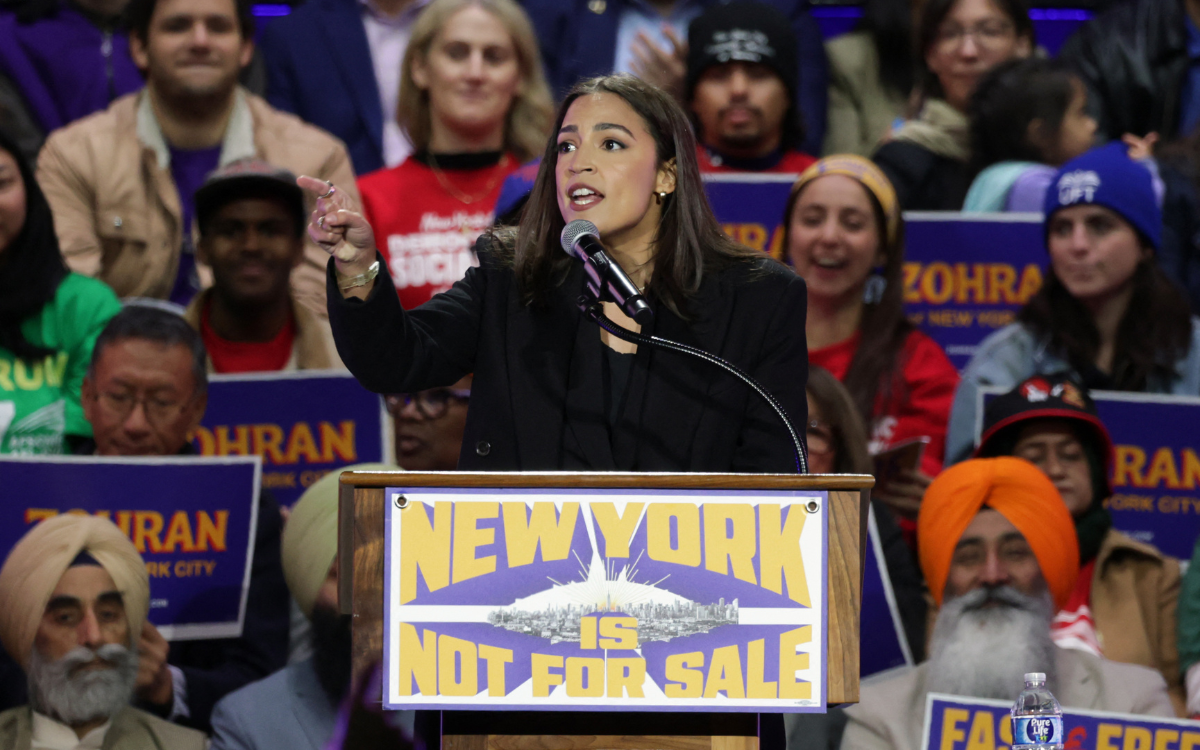
However, both Sanders and Ocasio-Cortez have ultimately remained within Democratic Party institutions, repeatedly endorsed establishment Democratic candidates such as Hillary Clinton and Joseph Biden, and voted alongside the party on almost all major legislative issues. Whether the new democratic socialist insurgency will be similarly absorbed and neutralized by the Democratic Party machine remains unclear.
Whether the new democratic socialist insurgency will be similarly absorbed and neutralized by the Democratic Party machine remains unclear.
Foreign policy is another potential tension, especially as the ongoing crisis in the Strait of Hormuz continues to drive up commodity prices. Some democratic socialist figures have challenged traditional Democratic positions on defense spending, military interventionism, and U.S. foreign commitments, including the operation in Iran. These debates reflect a longer anti-war tradition within U.S. socialist politics that is often cited by recent democratic socialist candidates. That tradition includes figures such as Eugene Debs, the early twentieth-century socialist leader who opposed U.S. involvement in World War I and ran for president while imprisoned under the Espionage Act. Contemporary democratic socialist foreign policy views vary, but criticism of interventionism and military spending remains a recurring point of difference with the Democratic establishment.
The Limits of the Democratic Socialist Surge
The recent victories of democratic socialist-aligned candidates do not yet represent a national realignment toward socialism, despite the flood of media attention after Mamdani’s mayoral election. The movement remains concentrated primarily in Democratic-leaning cities, and many of its elected figures have emerged from highly educated, middle-class, and professional urban constituencies rather than from the broader working-class electorate historically associated with socialist movements in the United States.
The movement has also suffered from a conservative backlash against the more radical cultural politics of the late 2010s and early 2020s, from which democratic socialist candidates have begun to distance themselves. Ocasio-Cortez herself, the symbolic leader of the movement and a likely 2028 Democratic presidential challenger, recently acknowledged that the earlier “woke” era may have been excessive and that voters should instead “assess what a candidate is saying now.” Progressive candidates have since focused on more economic populist positions, including wages, healthcare costs, and inequality.
The long-term significance of the 2026 democratic socialist surge may depend less on whether it creates an independent political force and more on how it reshapes the Democratic Party itself. The DSA is not a political party but an activist organization; by necessity democratic socialists must enter and change other parties from within.
The long-term significance of the 2026 democratic socialist surge may depend less on whether it creates an independent political force and more on how it reshapes the Democratic Party itself.
Nevertheless, economic inequality, housing affordability, and concerns over technological disruption—including the potential impact of artificial intelligence on employment and income distribution—are likely to remain central political issues. As these pressures intensify, democratic socialist candidates will likely continue to punch above their electoral weight, influencing broader debates over the role of government, labor, and markets in the U.S. economy.