
A source says Ankara has presented Hezbollah with a plan for a multinational force, including troops from Saudi Arabia, Pakistan, Egypt, and other Muslim countries, to help fill the security vacuum after UNIFIL’s mission ends.
According to a source familiar with the talks, Turkey has presented Hezbollah officials with a proposal for a multinational force drawn from Arab and Muslim countries. The force could take on a security role in southern Lebanon once the United Nations Interim Force in Lebanon, or UNIFIL, ends its operations.
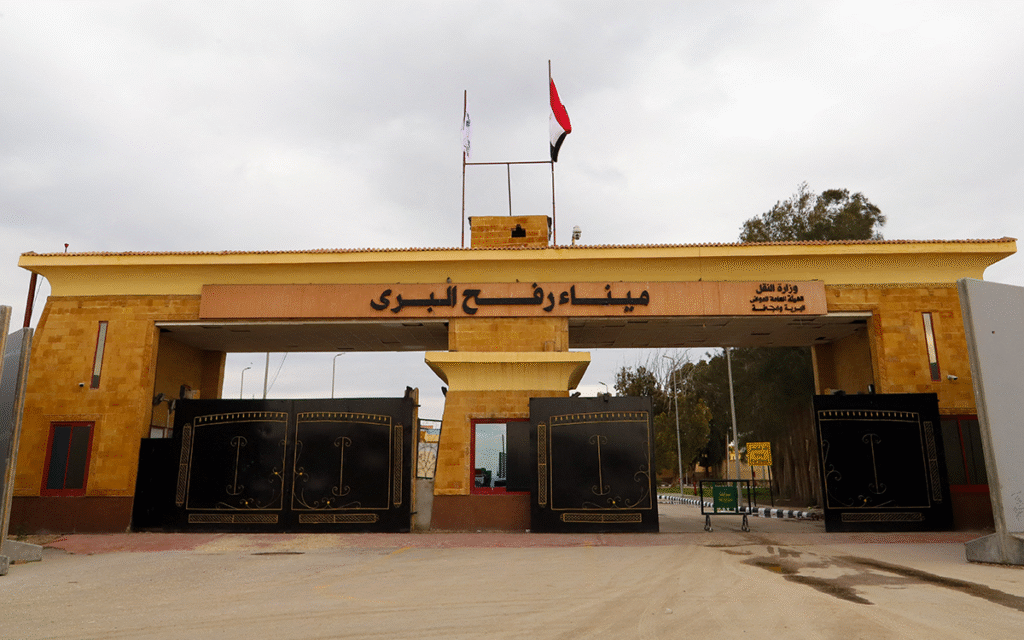
The source said the Turkish proposal envisions troops from Saudi Arabia, Turkey, Pakistan, Indonesia, Malaysia, Egypt, and Qatar. Under the proposal, the deployment would form part of arrangements meant to prevent a security vacuum in southern Lebanon once UNIFIL’s current operations end.
It is not yet clear whether the proposed force would operate under a United Nations mandate or under a separate multinational arrangement approved by the Lebanese government. The terms of that mandate, its rules of engagement, and the size of any deployment also remain unclear.
According to the source, Hezbollah officials responded positively and gave the proposal preliminary approval. Turkey would discuss the plan with Saudi Arabia and Pakistan at a later stage.
According to the source, Hezbollah officials responded positively and gave the proposal preliminary approval. Turkey would discuss the plan with Saudi Arabia and Pakistan at a later stage
Turkey has already said publicly that it is willing to take part in security arrangements after UNIFIL’s mission ends. Meeting Lebanese President Joseph Aoun in Ankara on July 30, Turkish President Recep Tayyip Erdogan said his country wanted to participate in initiatives launched once the international force withdraws. Such involvement, he said, would support regional security and Lebanon’s sovereignty.
Aoun has also said that several options are under consideration for the post-UNIFIL period, including a European force led by France and Italy, Turkish participation with NATO backing, and proposals involving Arab and Muslim countries.
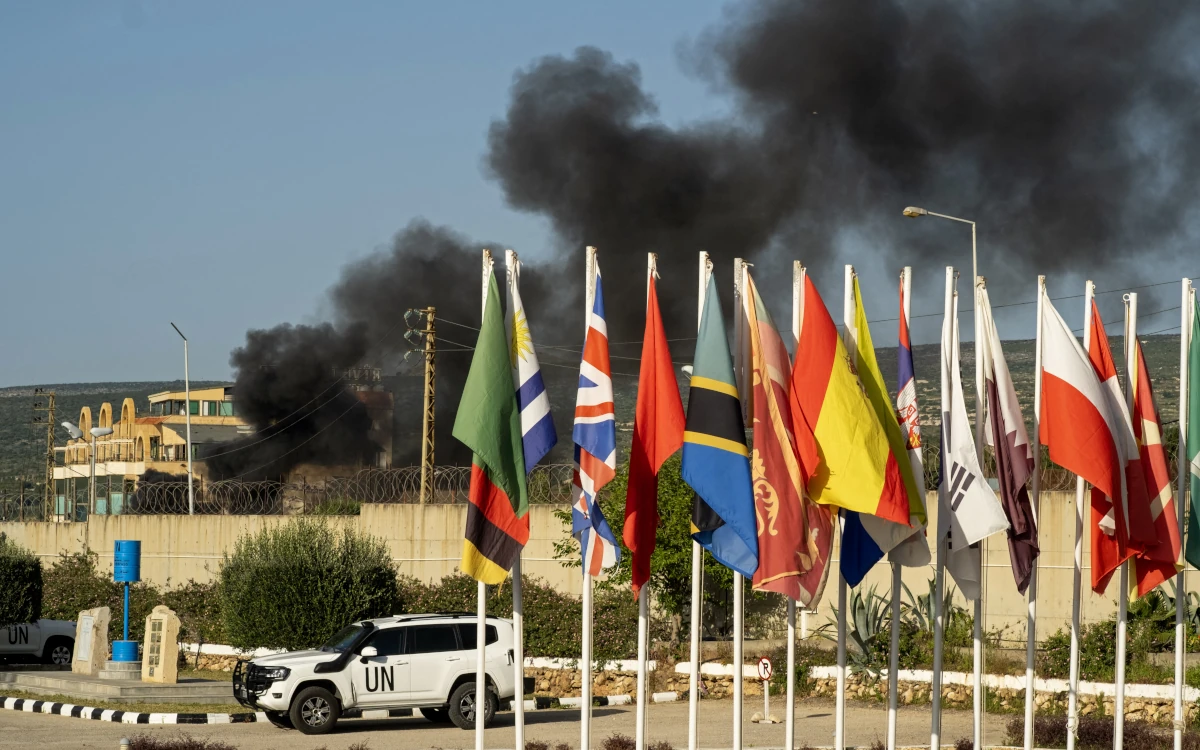
The talks are taking on added significance as UNIFIL approaches the end of its operations on December 31, 2026. The U.N. Security Council agreed unanimously in August 2025 to extend the force’s mandate for a final time until that date. An orderly and safe withdrawal of its personnel is then due to begin over a period of up to one year.
The talks are taking on added significance as UNIFIL approaches the end of its operations on December 31, 2026
The future of the international presence in southern Lebanon has returned to the agenda in recent weeks. On August 28, the Security Council held closed consultations on Lebanon, during which members began discussing possible arrangements for the period after UNIFIL.
At the same time, Beirut and Paris have pushed for a limited further extension of the mission. The Lebanese government said in a letter to the Security Council that ending UNIFIL’s presence at the end of the year would be premature. The council has not yet adopted a decision changing the arrangements approved in 2025.
The Turkish move comes as several competing proposals are under discussion over the shape of the security presence in southern Lebanon after UNIFIL. In June, U.N. Secretary-General Antonio Guterres presented the Security Council with three options for maintaining a uniformed U.N. presence after the current mission ends. The options vary in size and capabilities, and are aimed at preserving a U.N. role in monitoring the Blue Line and supporting the Lebanese army in implementing Resolution 1701.
On a parallel track, France and Italy have announced plans to work on an international coalition to support Lebanon in the post-UNIFIL period. Possible European arrangements to assist the Lebanese army are also under discussion. The competing initiatives point to a lack of international consensus over what form of presence should succeed the U.N. mission.
The proposal described by the source, however, suggests that Turkey is seeking to turn the broader idea of Arab and Muslim participation into a more defined arrangement. That arrangement would bring together a group of regional powers alongside other Arab and Muslim countries.
According to the source, Ankara intends to discuss the proposal with Riyadh and Islamabad, with the three countries linked through the “Mecca Defense Alliance,” announced in August.
According to the source, Ankara intends to discuss the proposal with Riyadh and Islamabad, with the three countries linked through the “Mecca Defense Alliance”
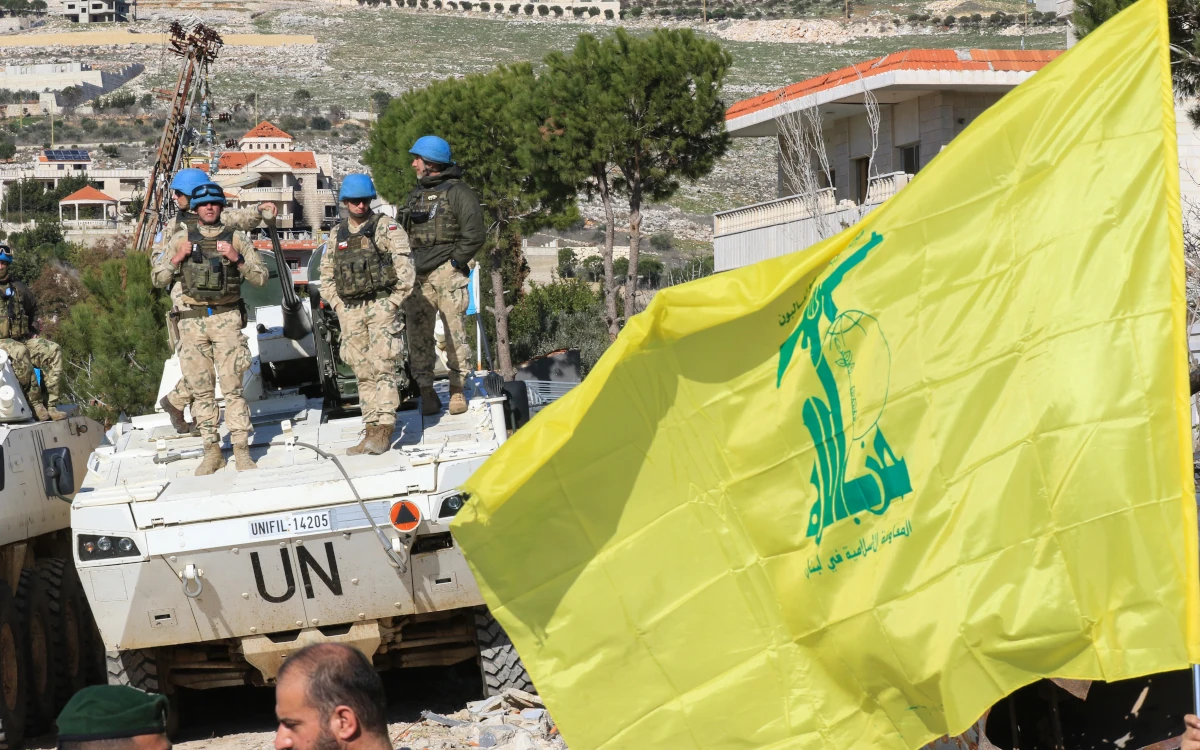
UNIFIL was established in 1978. The Security Council significantly expanded its mandate following the 2006 war between Israel and Hezbollah, under Resolution 1701. Its responsibilities include monitoring the cessation of hostilities and supporting the deployment of the Lebanese army in the south. UNIFIL also helps ensure that the area between the Litani River and the Blue Line is free of weapons and armed personnel. The only forces exempt are those belonging to the Lebanese state or the United Nations.
According to the latest UNIFIL figures, the force had 7,462 troops from 46 countries as of August 19.
Any arrangement to succeed UNIFIL would face significant political obstacles, particularly over the mandate of a new force and which countries would take part. Israel has opposed maintaining a large international force in southern Lebanon after UNIFIL’s mission ends, arguing that the Lebanese army should bear primary responsibility for securing the border area. Beirut, meanwhile, supports maintaining an international presence to back the army and is pushing for a further extension of UNIFIL’s mission.
It is also unclear whether the countries named in the Turkish proposal have received formal requests to participate, or whether the discussions are still confined to sounding out their positions.