
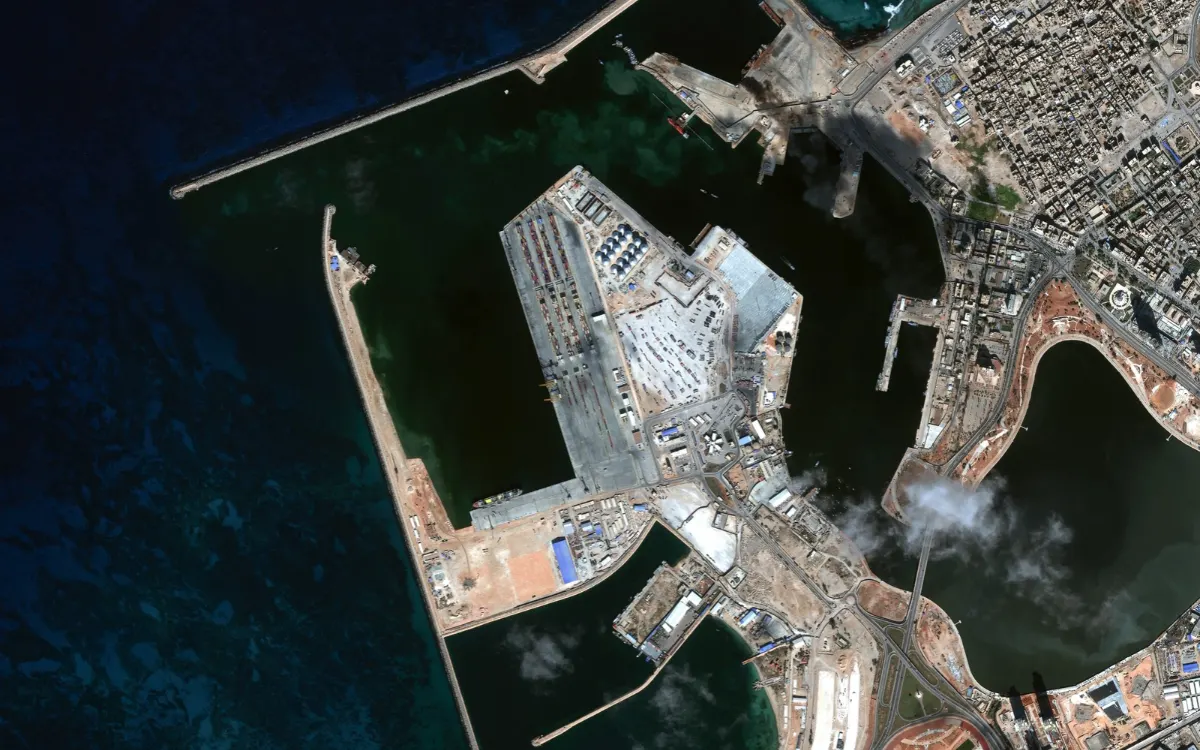
The United Nations called Monday, November 23, for an independent investigation into drone attacks on two commercial vessels off Libya’s eastern coast, warning that the country risked becoming a battleground for foreign conflicts. The strikes near Benghazi, including one against a Russian ship, have raised concerns that the Russia–Ukraine war could increasingly affect Mediterranean shipping and Libya’s already fragile security environment.
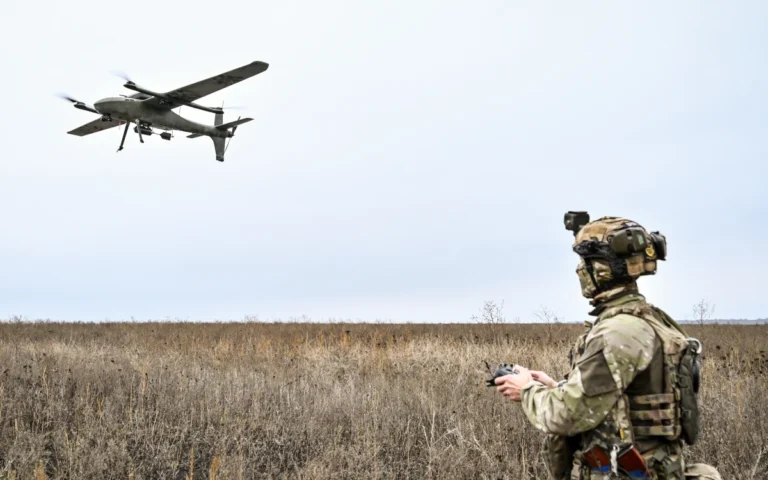
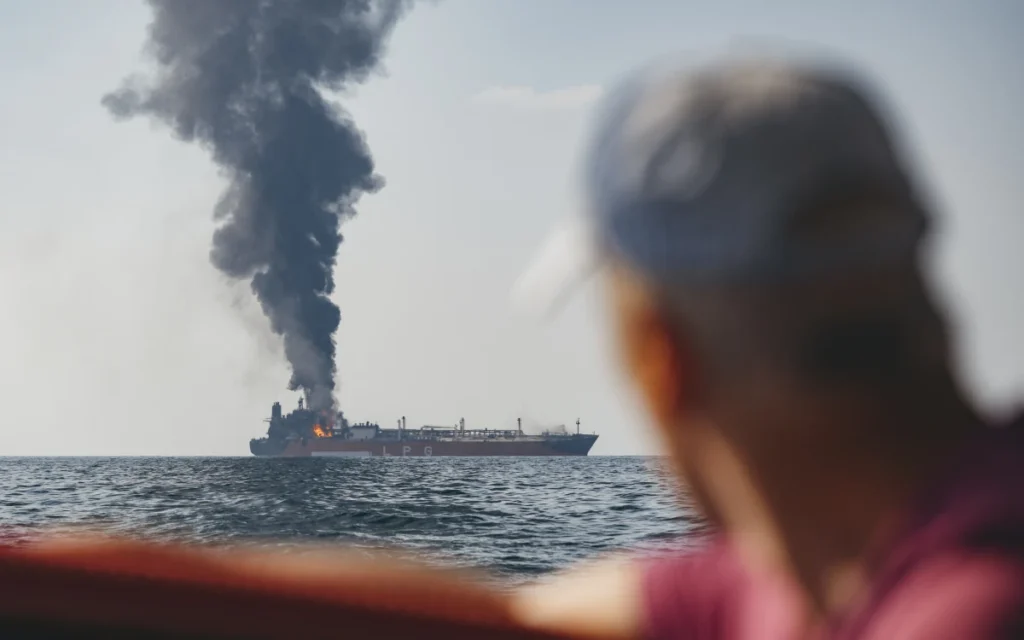
The attacks occurred Sunday, with no immediate claim of responsibility. Authorities in eastern Libya said a Russian vessel returning home had stopped in Benghazi for fuel and supplies when an explosion occurred on board, possibly caused by drones. Officials also reported an attack involving explosive-laden sea drones against another merchant vessel, reportedly Maltese-flagged. All crew members were rescued with minor injuries. Local media reported that Libyan forces intercepted more than 12 explosive-laden sea drones, although responsibility for the incidents remained unclear.
The United Nations Support Mission in Libya expressed “serious concern” and called for “an immediate, independent and transparent investigation.” It warned that “Libya cannot afford, and must not become a battleground for foreign conflicts.” The eastern administration said it would investigate jointly with Russia, while the UN-recognized government in Tripoli rejected the use of Libyan territory for military or logistical activities that could threaten national sovereignty.
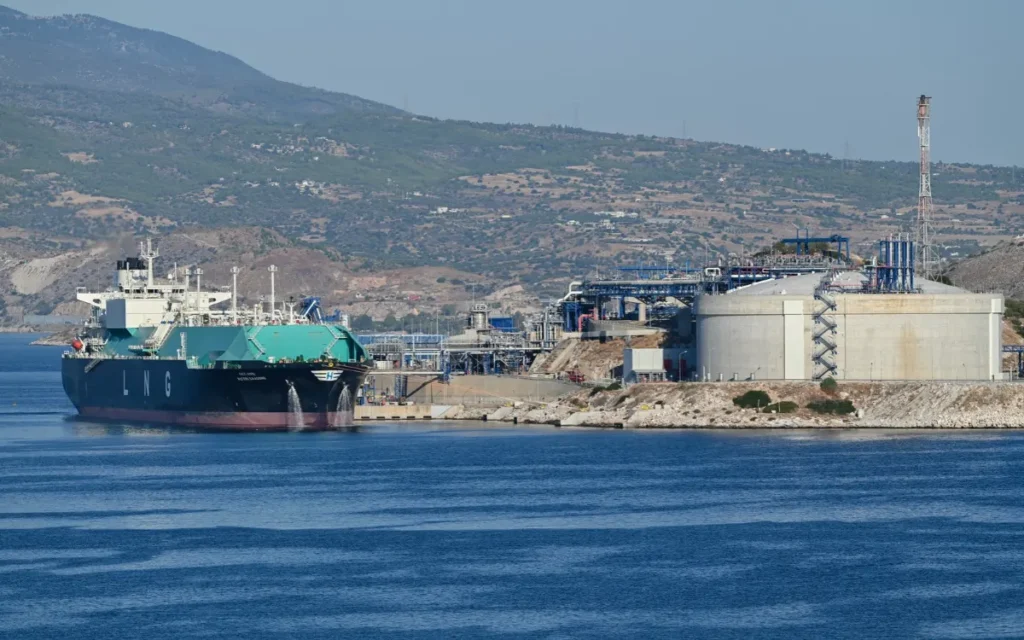
The incidents follow an apparent expansion of maritime attacks linked to the Russia–Ukraine war. A Russian cargo ship was struck in the eastern Baltic Sea on Saturday in an attack Finland’s border guard attributed to Ukraine. In March, a Russian liquefied natural gas carrier sank off Libya following an attack that Moscow blamed on Kyiv. Ukraine has previously acknowledged targeting vessels associated with Russia’s so-called shadow fleet, which transports energy exports despite Western restrictions. However, no evidence establishing Ukrainian responsibility for Sunday’s Benghazi attacks has been publicly confirmed.
Libya’s political fragmentation compounds the security risks. Since the overthrow of Muammar Gaddafi in 2011, the country has remained divided between the Tripoli government and an eastern administration backed by military commander Khalifa Haftar. Further attacks could expose its ports and territorial waters to external military competition, complicating efforts to protect commercial shipping and preserve national sovereignty. Establishing who conducted the strikes will be critical to determining whether they represent an extension of the Ukraine conflict or a separate maritime security threat. (AFP+EIR)