
Turkey has reported the withdrawal of Kurdistan Workers’ Party (PKK) militants from 14 additional bases in northern Iraq, marking a significant development in efforts to end more than four decades of armed conflict. The announcement highlights the cross-border dimensions of Turkey’s peace process, with developments in Iraqi territory becoming an important measure of progress toward a lasting settlement.
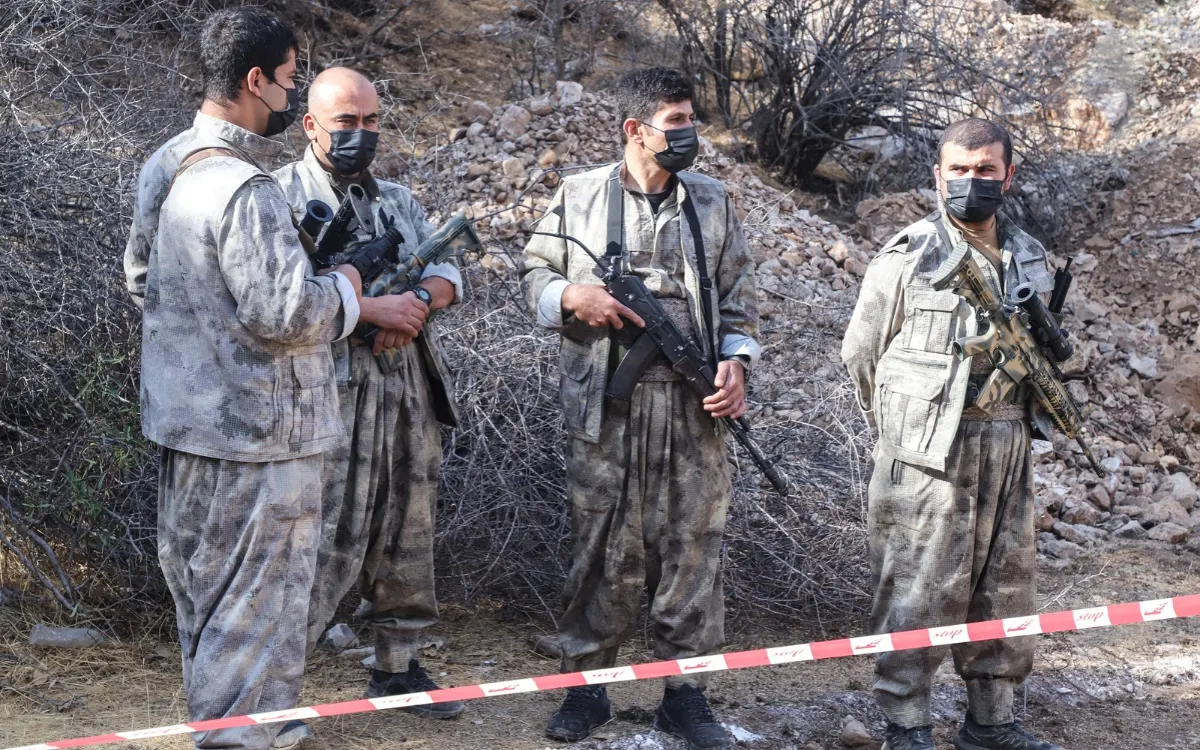
Turkish intelligence sources said the bases, located in the Hakurk region of northern Iraq, were evacuated on November 18, according to state media reports published Monday. The Turkish defense ministry also reported measures to make caves and shelters at the abandoned positions unusable. The announcement follows earlier withdrawals acknowledged by Ankara and forms part of a peace process launched in 2024 to end a conflict that has killed at least 50,000 people.
“The success of the process, which is being conducted with a realistic and sensitive approach, is evidenced by the concrete, verifiable developments from the field,” Turkish security sources said, according to state media. The PKK announced last month that it had withdrawn all its fighters from Turkish territory and positions in northern Iraq, although the Turkish government initially acknowledged the evacuation of only four bases. Monday’s announcement represents a further official acknowledgment of withdrawals, rather than independent confirmation of the group’s broader claims.
The peace process has also advanced politically, with Turkey’s parliament adopting legislation that provides conditional legal relief for certain PKK-related offenses once authorities verify the group’s dissolution and disarmament. However, disagreements remain over the pace and scope of implementation. The PKK has accused President Recep Tayyip Erdoğan’s government of failing to take sufficiently strong measures to advance the agreement, underscoring the differences between military disengagement and the political steps needed to consolidate a settlement.
The withdrawals carry implications beyond Turkey’s borders because northern Iraq has long been central to the conflict’s cross-border security dimension. Further progress could reduce tensions associated with militant positions in Iraqi territory and strengthen prospects for a more stable relationship between Ankara and the affected border regions. Nevertheless, the durability of the process will depend on continued implementation, verification of withdrawals, and whether the parties can resolve outstanding political disagreements. (AFP+EIR)