
The UK announced on Wednesday that it will establish its first military space squadron dedicated to actively countering threats against Britain’s satellites, amid growing interest among various countries in military space capabilities.
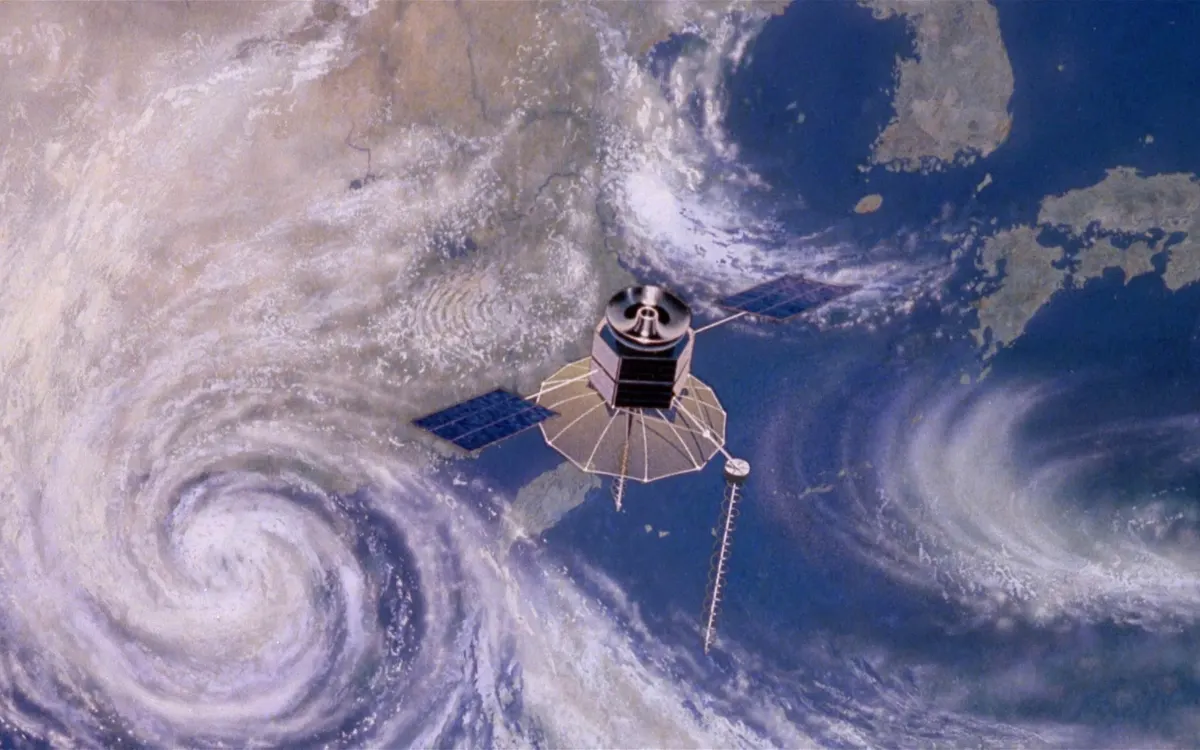
The new Royal Air Force squadron will protect critical satellites used in communications and to warn of incoming missile attacks, the UK’s Ministry of Defense said.
It described the unit—to be known as No III Space Effects Squadron—as the country’s first dedicated to “disrupting, degrading, and denying enemy activity targeting British interests in space.”
The move comes after the UK launched two squadrons in 2023 that “watch and warn” of space threats. By contrast, the new unit will “act against those threats, using advanced technology, including electronic warfare.” The squadron will formally be unveiled on Wednesday, when Defense Secretary Wes Streeting will warn that the UK must “keep pace in the new space race.”
The announcement comes just over a week after the United States confirmed for the first time that it has arms deployed in orbit around Earth. That prompted China to warn against turning outer space into a “battlefield” and Russia to caution it must be “free from any weapon,” amid fears of an arms race in space. The move also follows a warning from Major General Paul Tedman, head of UK Space Command, who said last year that he was “really worried” about Russia regularly attempting to jam British military satellites.
The new squadron marks a shift in Britain’s military space posture from primarily monitoring threats toward developing the ability to actively respond to them. The change comes as the United States, China, and Russia increasingly focus on military capabilities in space, raising the strategic importance of protecting satellites that underpin communications, surveillance, and missile warning systems. Rapid technological advances are accelerating this competition, while the absence of a comprehensive international legal framework governing military activity in space increases the risk of escalation and disagreement over what constitutes acceptable defensive or offensive action. (AFP+EIR)