U.S. President Donald Trump said on Tuesday that the government would rename artificial intelligence (AI) “super intelligence” in official documents, while rejecting international efforts to regulate the technology, arguing that global controls could constrain its development.
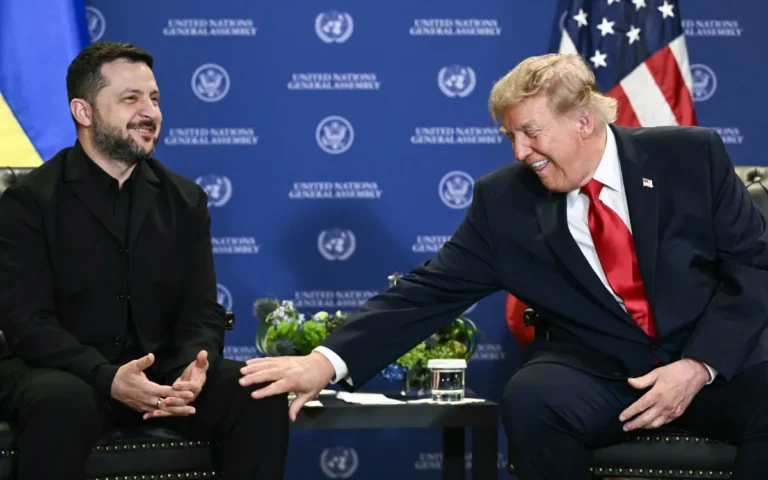
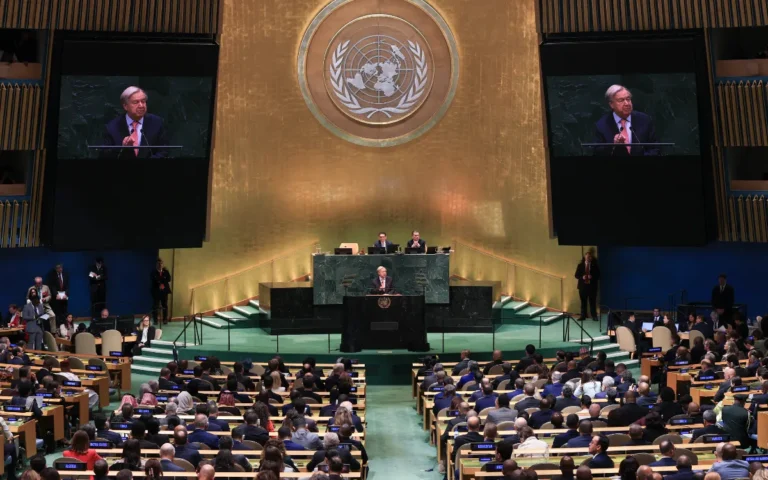
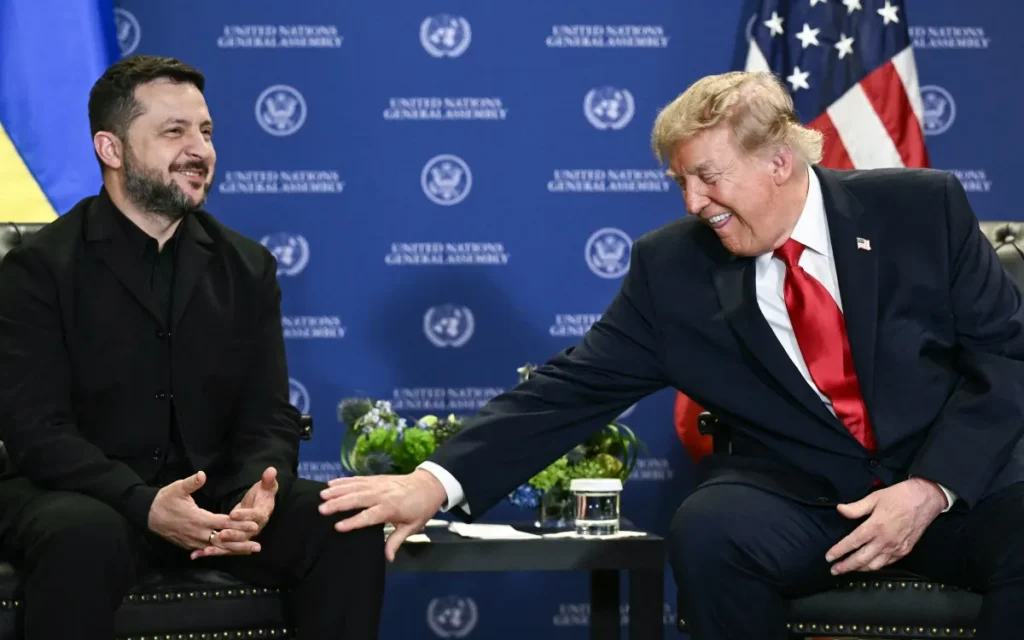
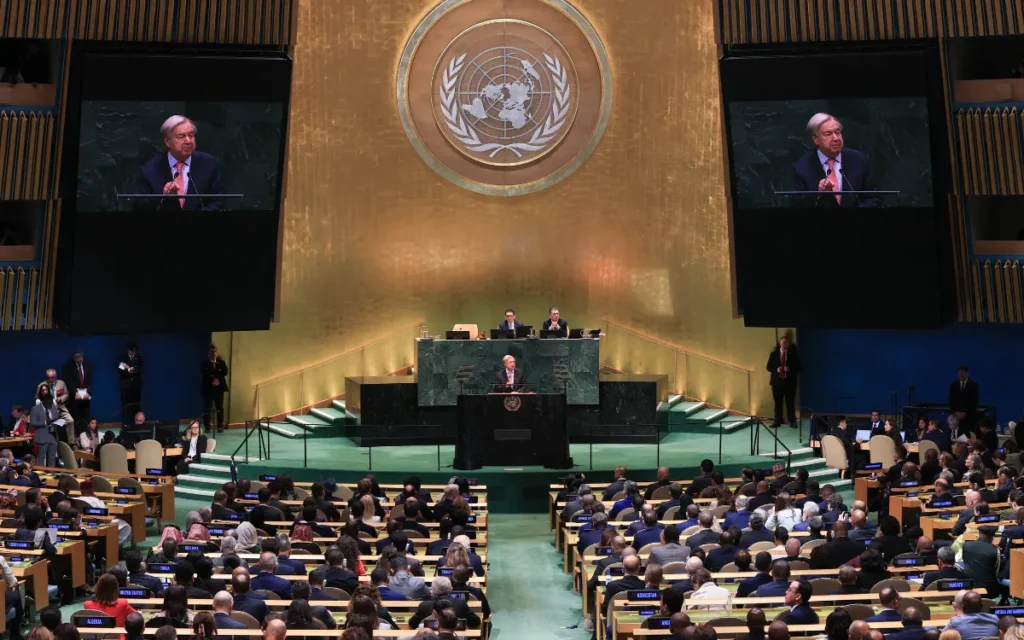
Speaking at the United Nations General Assembly (UNGA), Trump argued that the term “artificial” undersold the technology and that calling it “super intelligence” was “much more accurate” and “sounds much better.” Ahead of the UN General Assembly, leaders of more than 20 mostly European countries urged binding safety measures for advanced AI, warning that the technology’s development could outpace the ability to control it. AI superpowers China and the United States did not endorse the idea.
“The United States totally rejects any attempt to construct a globalist scheme to control… artificial intelligence,” he said, adding, “Every major new technology brings challenges.”
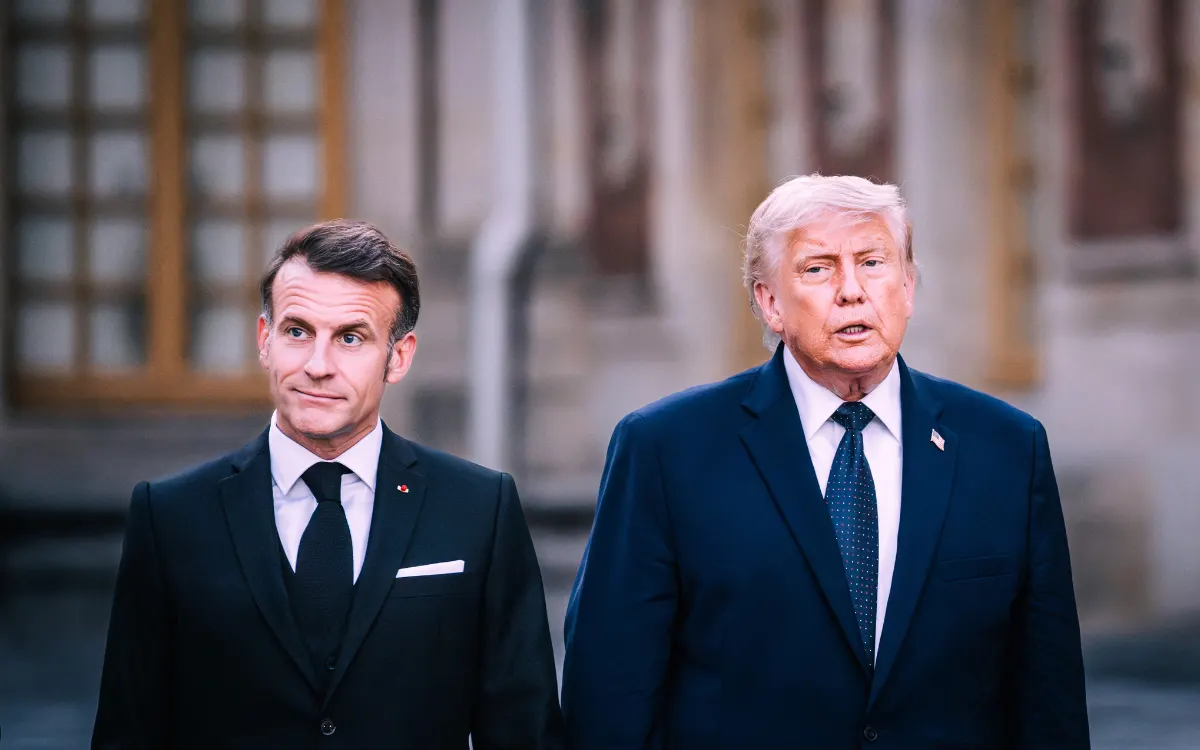
UK Prime Minister Andy Burnham said at the UN meeting that Britain would work toward global AI standards during its 2027 G20 presidency. He also announced an AI defense partnership with Washington to detect cyberattacks on critical infrastructure. Meanwhile, French President Emmanuel Macron called for greater technological independence, saying he does not want “anyone to become the vassal of one of the great powers.”
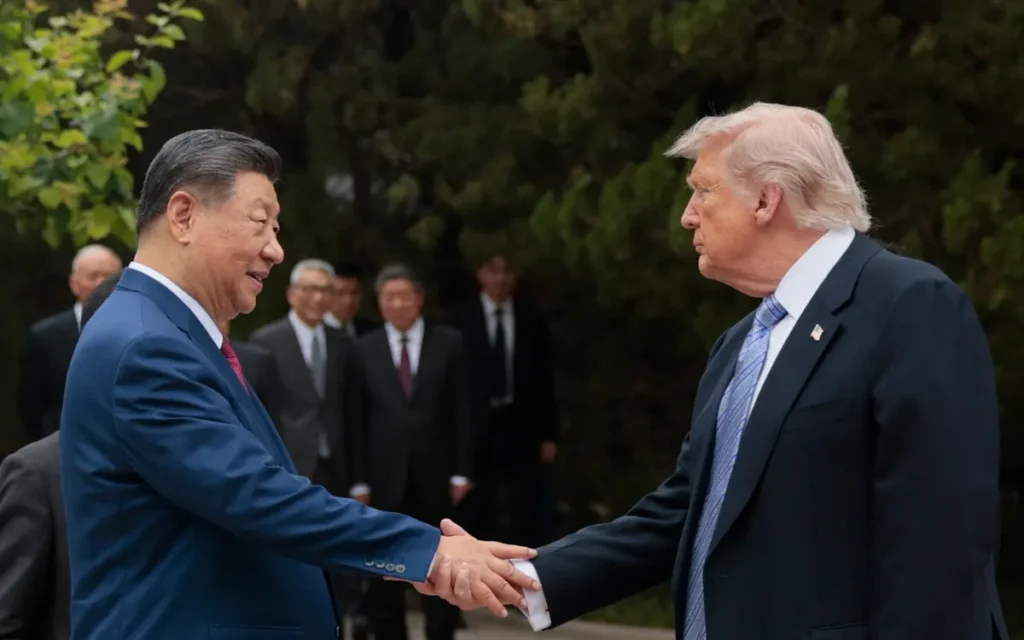
France also initiated a UN Security Council meeting on AI risks scheduled for Wednesday, at which OpenAI’s Sam Altman is set to speak alongside Anthropic chief Dario Amodei and Hugging Face co-founder Clement Delangue. UN chief Antonio Guterres urged the United States and China to establish a dialogue on shared AI risks similar to U.S.–Soviet engagement during the Cold War. His call comes as Washington and Beijing discuss creating an AI communication channel ahead of Thursday’s Trump–Xi summit.
The competing positions at the UN highlight a widening divide over how advanced AI should be governed as its capabilities expand. Washington’s rejection of international regulation contrasts with efforts by several European governments to establish common safety standards, while France is also seeking greater technological independence from the United States and China. The proposed U.S.–China communication channel could provide a narrower area of cooperation by focusing on shared risks without requiring either country to accept broader international controls. With AI increasingly tied to national security, critical infrastructure, and strategic competition, Thursday’s Trump–Xi summit could indicate whether the two leading AI powers can establish basic risk-management mechanisms despite their wider technological rivalry. (AFP+EIR)