
The United States implemented tariffs of up to 100 percent on drones and certain components on Thursday, as Washington seeks to reduce its dependence on China’s drone manufacturing industry.
The 100 percent tariffs will apply to drones with a takeoff weight of more than 25 kilograms and to drones with thermal imaging capabilities and docking stations. Smaller drones will face a 25 percent duty. Drone components that are “not particularly sensitive” will face duties starting in February next year. Lower tariff rates will apply to qualifying drones and components from several U.S. allies and partners, including the EU, Japan, South Korea, Taiwan, and the UK.
The White House said imports of drones and their components pose a “national security threat.”
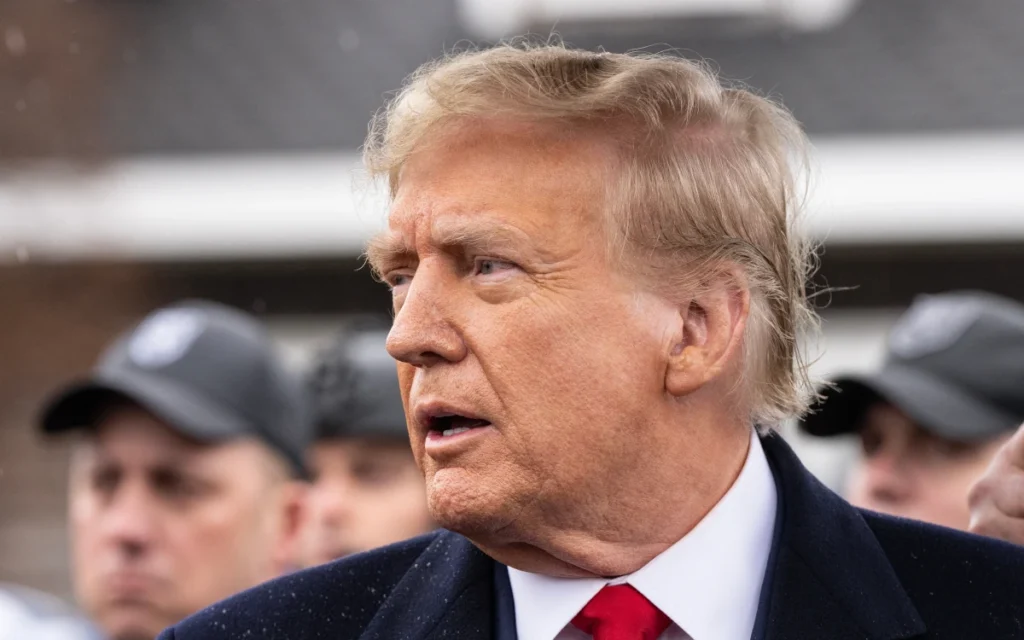
China strongly opposed the decision after it was announced by U.S. President Donald Trump, saying the tariffs would “disrupt the global drone supply chain and further undermine a fair and competitive market environment.” Beijing urged Washington to withdraw the duties, as Chinese firm DJI, founded in 2006, has captured over two-thirds of the global drone market in recent years. The United States placed the company on a list of Chinese firms linked to China’s military in 2022 and restricted its access to U.S. technology, a designation DJI has challenged.
The tariffs reflect Washington’s increasing push to develop a stronger domestic drone industry and reduce reliance on China’s dominant manufacturing base. The move also suggests the United States is beginning to treat drones and their components more like semiconductors and other critical technologies for which dependence on Chinese supply chains is increasingly viewed as a national-security vulnerability. The key development to watch is whether the tariffs accelerate domestic production and investment enough to build a competitive U.S. supply chain. (AFP)