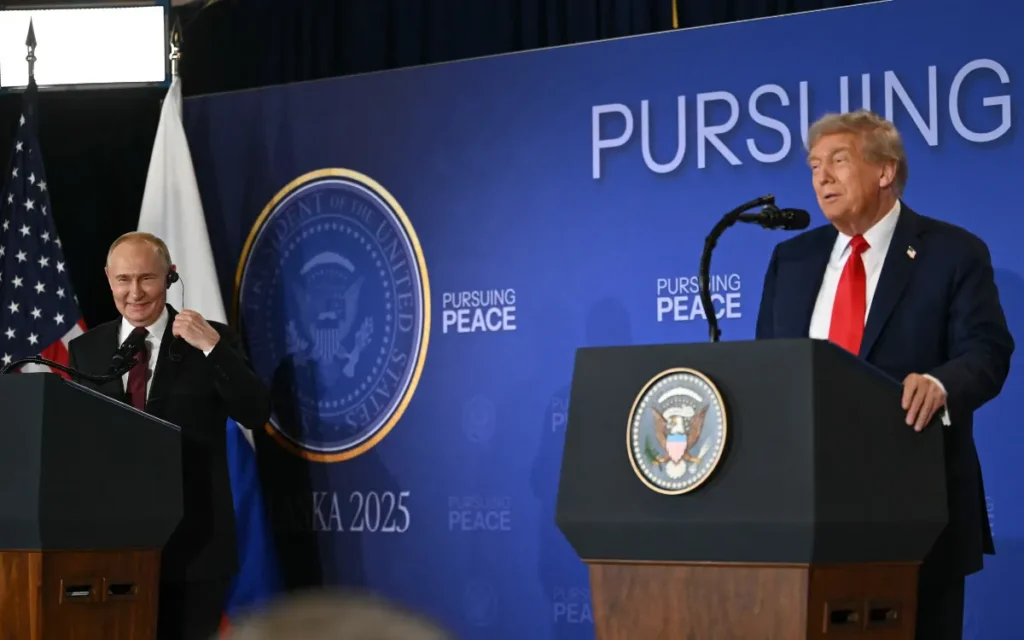

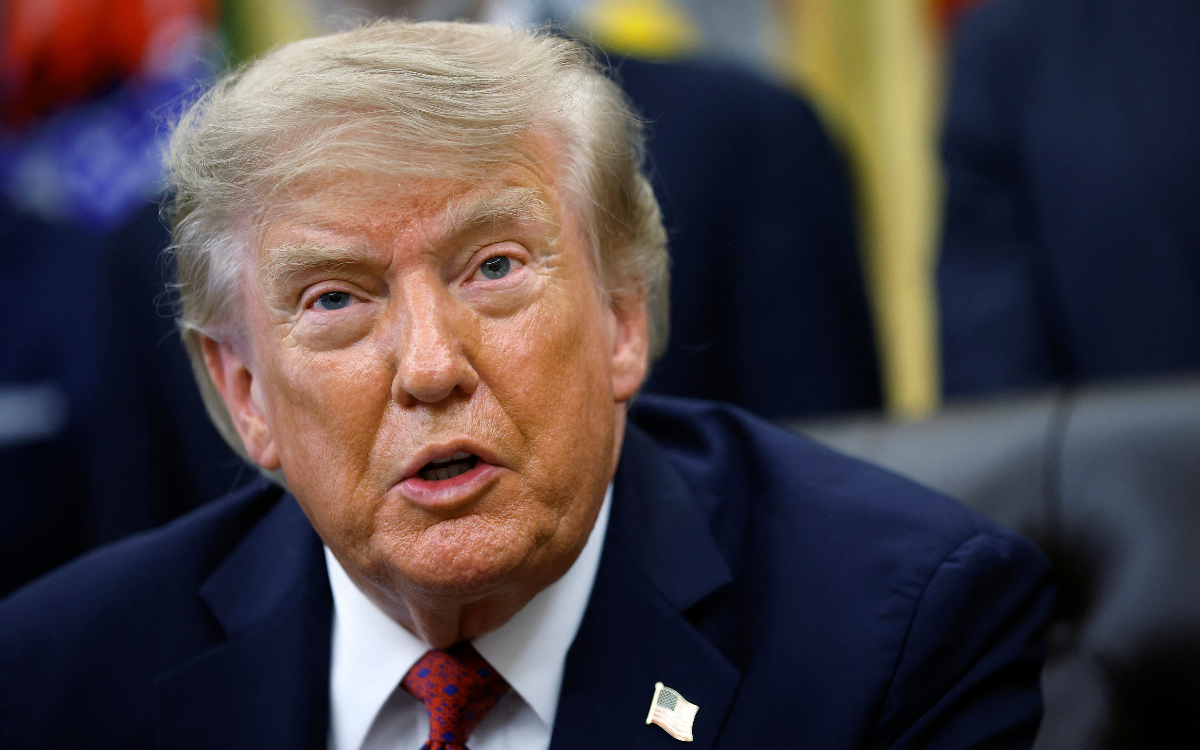
U.S. President Donald Trump threatened to hit Iran “hard” as Washington and Tehran exchanged strikes for the first time in weeks.
Meanwhile, Iranian President Masoud Pezeshkian said at the Shanghai Cooperation Organization Summit in Bishkek that Tehran will immediately reciprocate if the United States returns to its commitments under an interim agreement signed in June.
“We continue to strive for a path of agreement and understanding, and we believe that continuing the war is neither in our interest, nor in the interest of the region,” he said at the summit in Kyrgyzstan, adding, “the solution to the existing problems is dialogue and cooperation.”
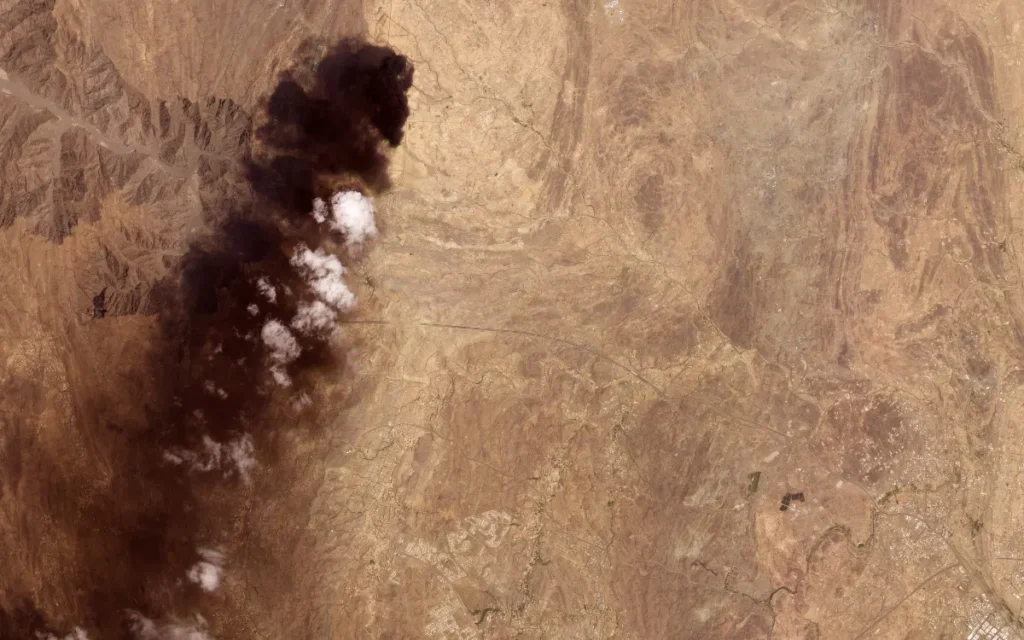
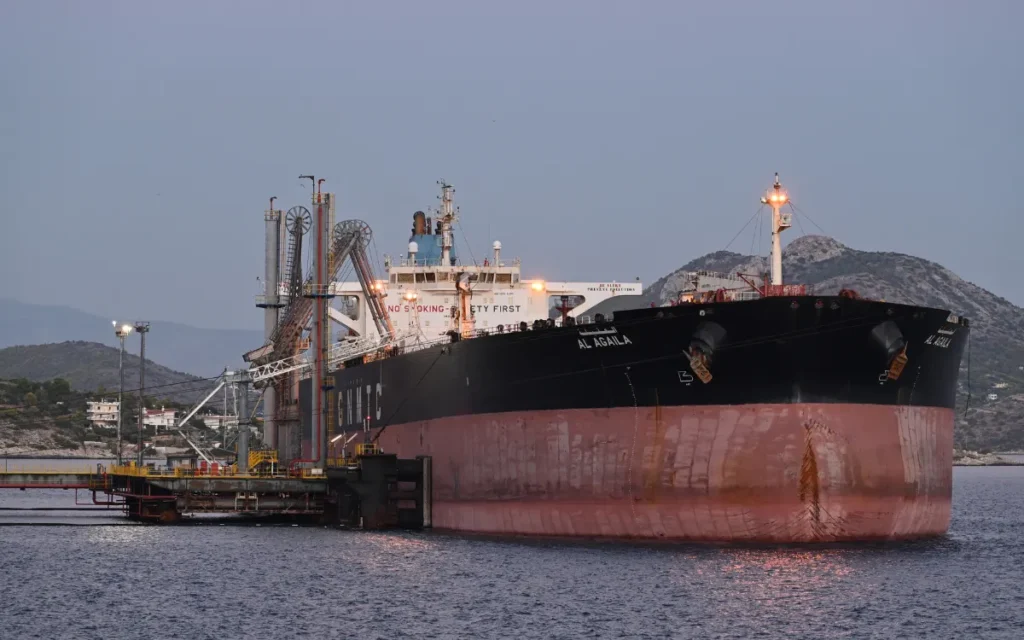
On Sunday, the United States conducted strikes on the island of Larak in the Strait of Hormuz. Iran retaliated by targeting U.S. military installations in the United Arab Emirates and Jordan. Meanwhile, the Strait of Hormuz is still effectively closed, and the U.S. is conducting a counterblockade of Iranian ports. In addition, the U.S. is imposing economic sanctions on Iran. Earlier this month, Trump announced “economic D-day” for Iran, saying any countries that provide “any type of lifeline” to Tehran will face “tremendous economic consequences.” The United States is attempting to escalate economic pressure on Iran this week at the G20 summit in North Carolina, with U.S. Treasury Secretary Scott Bessent saying there have been “very good discussions” with other countries.
Meanwhile, Iranian Foreign Minister Abbas Araghchi has held talks with Chinese Foreign Minister Wang Yi on the sidelines of the Kyrgyzstan summit, according to Tehran’s top diplomat’s Telegram channel. The talks come after China said last week it would safeguard its interests after the U.S. urged countries all over the world to join the pressure campaign against Iran.
The renewed exchange of strikes raises the risk that the U.S.–Iran confrontation could shift back toward sustained military escalation even as Tehran publicly leaves the door open to diplomacy. Washington is simultaneously applying military, financial, and maritime pressure, while Iran is seeking support from China and signaling that a return to the June interim agreement remains possible. China’s response will be significant, particularly whether Beijing moves beyond diplomatic opposition to U.S. pressure and expands economic or political support to Tehran. (EIR)