China said it would safeguard its interests after the United States announced plans for the “economic asphyxiation” of Beijing’s partner, Iran.
Beijing’s response comes after the U.S. urged countries worldwide to join the sanctions campaign against Iran. China insisted that American penalties would not end the war.
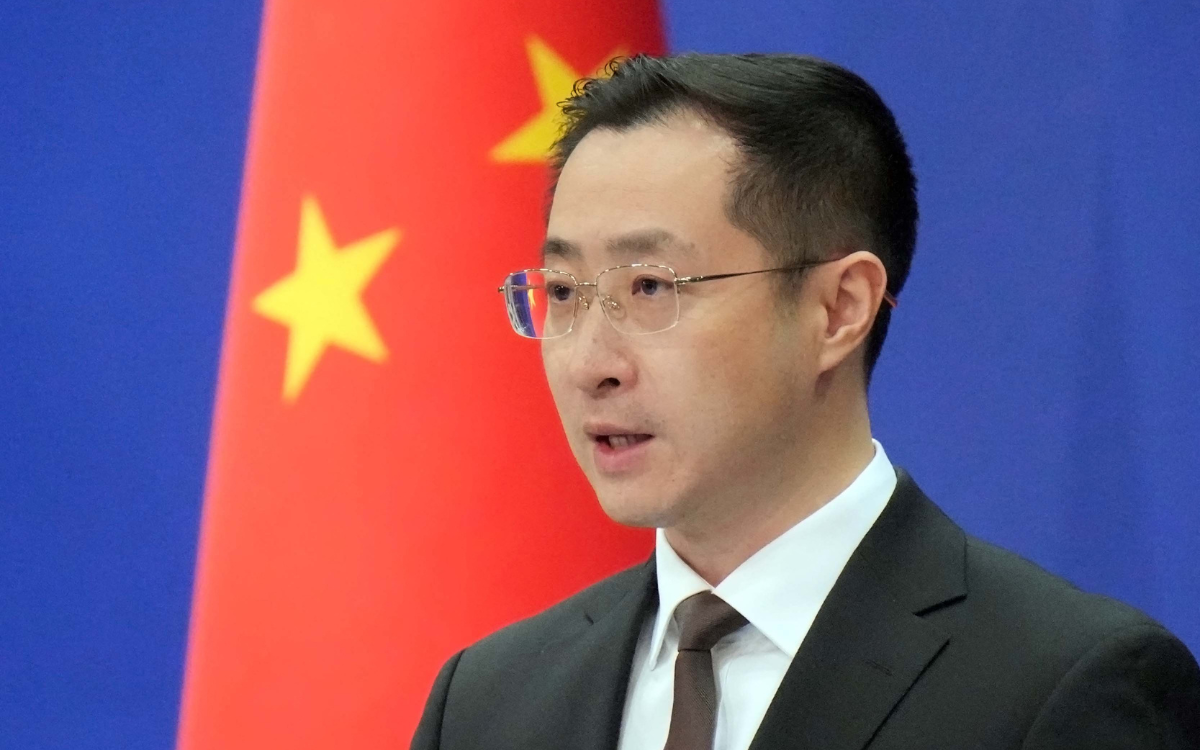
“China has already stated many times that it firmly opposes illegal unilateral sanctions. China will take all necessary measures to firmly safeguard its own rights and interests. Cooperation between China and Iran has always been conducted within the framework of international law and should not be interfered with or disrupted,” Foreign Ministry spokesman Lin Jian said.
Beijing is a key customer for Iranian oil and is directly affected by the blockade of the Strait of Hormuz. Iran has weathered sanctions for decades, using complex international financial networks to evade restrictions. Before the war, Iran exported millions of barrels of oil, mostly to China. But asked if Chinese banks would be targeted by the new penalties, U.S. Treasury Secretary Scott Bessent said, “no one is above the reach of U.S. sanctions.”
China’s response sets the stage for a potential economic confrontation with Washington as the U.S. attempts to tighten Iran’s access to international markets. Beijing’s position is particularly significant because China remains a critical market for Iranian oil, meaning the effectiveness of renewed sanctions pressure could depend heavily on whether Chinese companies and financial institutions continue doing business with Tehran. U.S. efforts to target entities facilitating Iranian trade could therefore test Beijing’s willingness to absorb the financial risks of supporting its strategic partner. A key indicator to watch is whether Washington imposes secondary sanctions on Chinese banks, refiners, or shipping companies, and whether Beijing responds by reducing its exposure or developing alternative payment and trade mechanisms that further limit U.S. financial leverage. (AFP)