
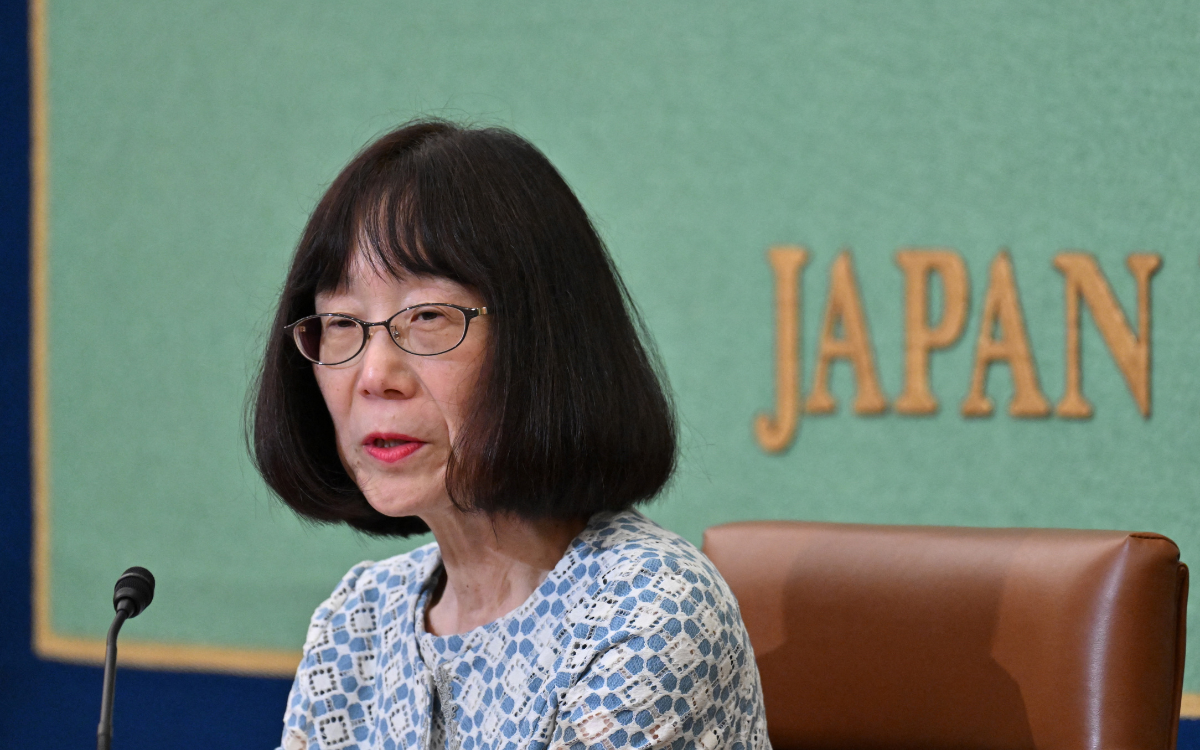
Tokyo objected to U.S. sanctions against International Criminal Court (ICC) President Tomoko Akane of Japan.
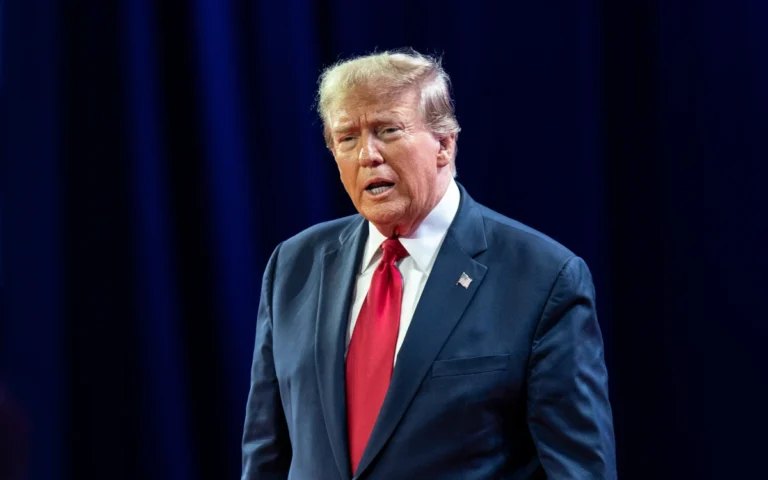
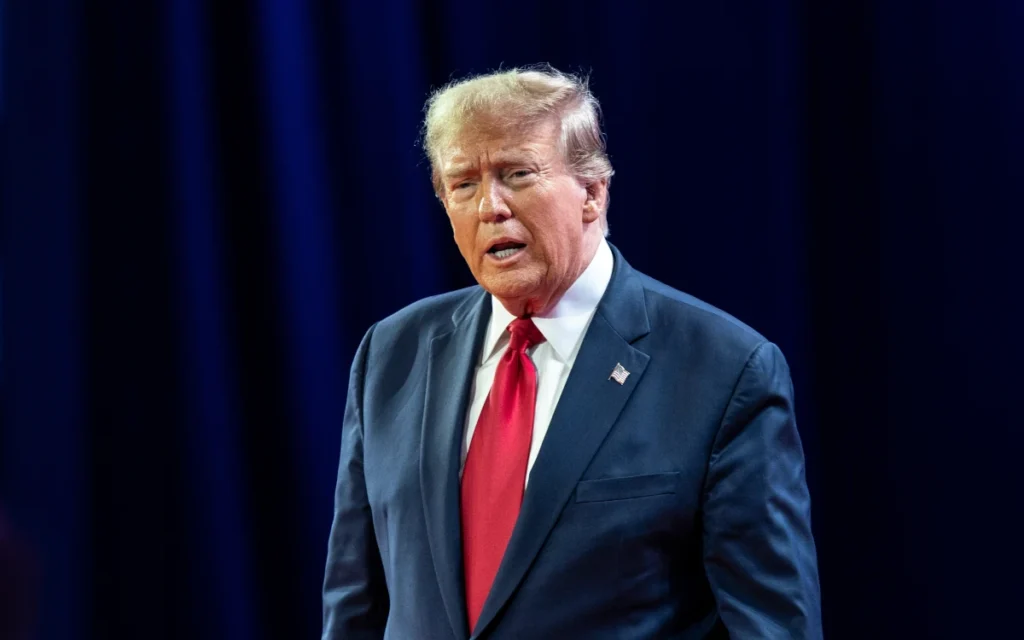
The move comes after Donald Trump slapped sanctions on Akane and ICC Senior Trial Lawyer Abdoulaye Seye of Senegal. U.S. Secretary of State Marco Rubio called the ICC a “corrupt and fatally politicized supranational court.” He claimed the sanctioned individuals have engaged in ICC investigations and prosecutions of officials “whose government has not consented to ICC jurisdiction,” likely referring to Israeli Prime Minister Benjamin Netanyahu. The ICC said the U.S. sanctions “undermine the rule of law.”
Japan has “consistently supported the ICC… in its efforts to prosecute and punish the most serious crimes of concern to the international community and to uphold the rule of law,” Foreign Ministry Press Secretary Toshihiro Kitamura said in a statement, labeling the American measures “unfortunate.”
The ICC was set up in 2002 and prosecutes individuals accused of the most serious atrocities when countries do not have suitable legal systems to ensure accountability. In 2023, the ICC issued an arrest warrant for Russian President Vladimir Putin over the war in Ukraine. Moscow issued its own arrest warrants for senior court officials, including Akane.
The U.S. sanctions against the ICC are part of a broader US campaign against the court following its investigations involving Israel and the 2024 arrest warrant for Netanyahu. Last month, Washington accused the ICC of “threatening” Americans and encouraged diplomatic partners to withdraw from the body, a move which Venezuela and Chad have since announced. Netanyahu welcomed the U.S. sanctions and called the ICC “a kangaroo court that cloaks its abuse of power in the language of international law.”
By supporting Israel, a key U.S. ally, the sanctions risk opening an unusual rift between Washington and Tokyo, despite Japan being one of the United States’ closest allies. Japan is the ICC’s largest financial contributor and has shown longstanding support for the court. The key indicator to watch is whether Washington’s pressure prompts additional countries to distance themselves from the court or instead strengthens resistance among major ICC backers such as Japan. (AFP)