
The United States recognizes Japan’s sovereignty over islands visited by Russian President Vladimir Putin, the U.S. ambassador to Tokyo said.
“The United States remains unwavering in its support of its most important ally and in its recognition of Japanese sovereignty over the Northern Territories,” George Glass wrote on X, using the Japanese name for the Kuril Islands visited for the first time by Putin on Thursday.
“At a time when the US–Japan Alliance is dedicated to cultivating prosperity across the Indo-Pacific, we strongly oppose any action that undermines its peace and stability,” Glass added.
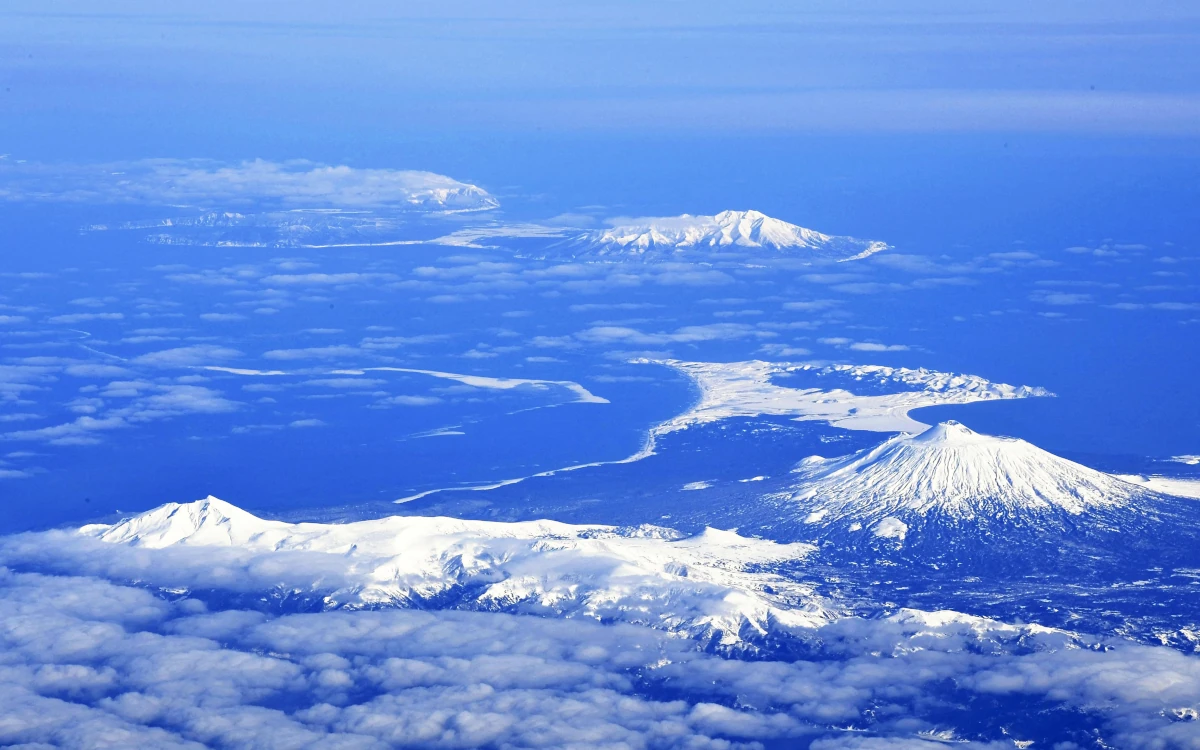
Russian President Vladimir Putin visited the far-eastern Kuril islands for the first time on Thursday, prompting a “strong” protest by Japan which also claims the territory.
The Kremlin posted a video of Putin in the Kuril Islands, with Russian media saying he visited a fish-processing plant where he was given caviar. Putin travelled to the Kurils after visiting the nearby Russian island of Sakhalin, where Russia’s navy was conducting drills.
🇷🇺 🇯🇵 Russian President #Putin has made his first visit to the disputed #Kuril Islands, travelling to Iturup, one of four islands claimed by both #Russia and #Japan.
Tokyo strongly protested the visit, calling it “absolutely unacceptable.” pic.twitter.com/hyFSQvnVVX
— FRANCE 24 English (@France24_en) August 13, 2026
Russian–Japanese relations have long been dogged by the islands seized by the Soviet Union in 1945 at the end of World War II. Putin’s visit was the first by a Russian president since Dmitry Medvedev in 2010. The visit prompted Japanese Prime Minister Sanae Takaichi to say the Kuril Islands are part of Japan, “both historically and under international law.” But Russia’s embassy in Japan said its ambassador said the islands are Moscow’s and Putin’s travel there was not “a matter for discussion with foreign states.”
The U.S. description of Japan as its “most important ally” underscores Washington’s strategic priority of the alliance amid rising tensions with China and Russia in the Indo–Pacific. Putin’s visit tests the strength of the U.S.–Japan security alignment at a time of heightened competition across the Indo–Pacific. The key indicator to watch is whether Japan responds with concrete diplomatic or security measures, and whether Washington reinforces its position through additional military cooperation or high-level statements. Any increase in Russian military activity or deployments on the disputed islands would also signal that Moscow intends to use the dispute as a broader pressure point against Tokyo and its U.S. ally. (EIR/AFP)