
Finance leaders from the Group of 20 major economies opened talks on Monday at a U.S.-led gathering as the Trump administration seeks to escalate economic pressure on Iran.
A U.S. Treasury official said Treasury Secretary Scott Bessent will deliver a strong statement to the G20 in Asheville, North Carolina. He will urge G20 members to comply with U.S. sanctions if they want to continue operating in the dollar-based financial system.
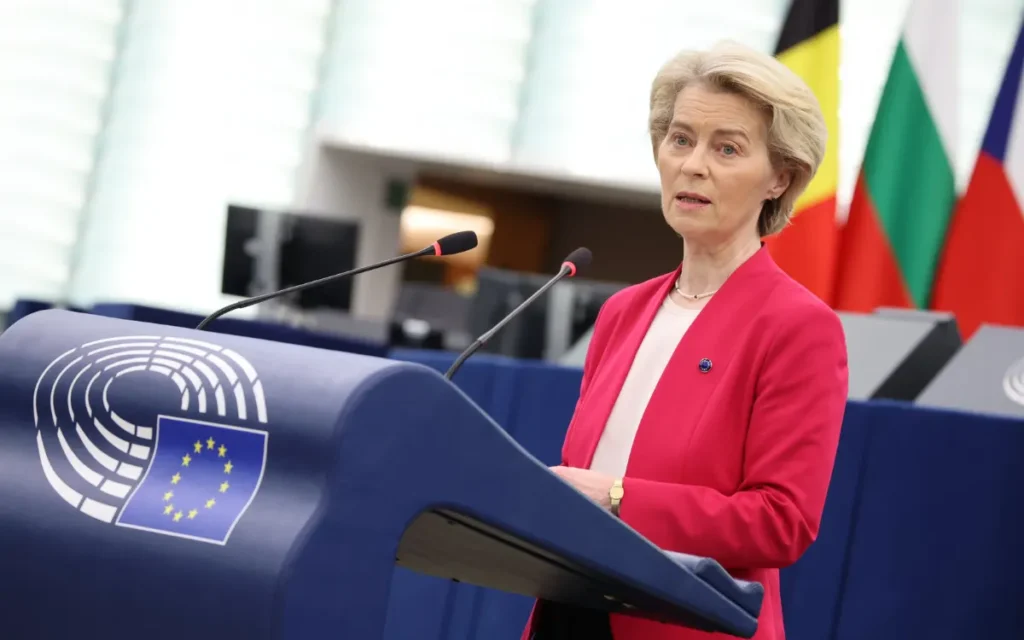
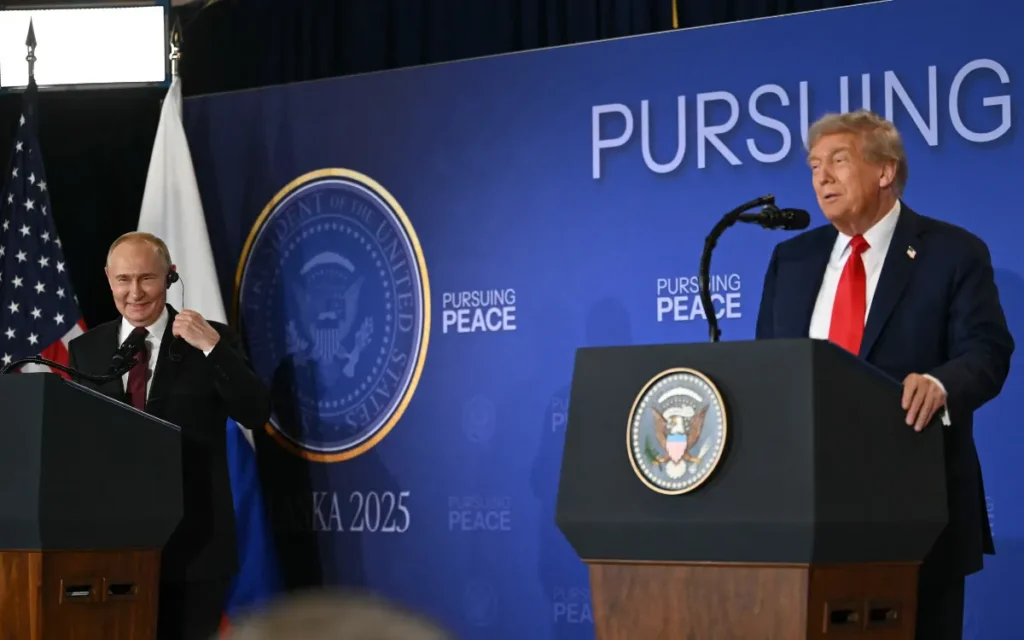
The European Union welcomed efforts to ensure Iran ceases its “destabilizing activities and engages in peace negotiations with good faith,” including through additional U.S.-led economic pressure. The EU pledged to work with international partners to maintain pressure on Tehran. However, a European official criticized Russia’s participation in the gathering.
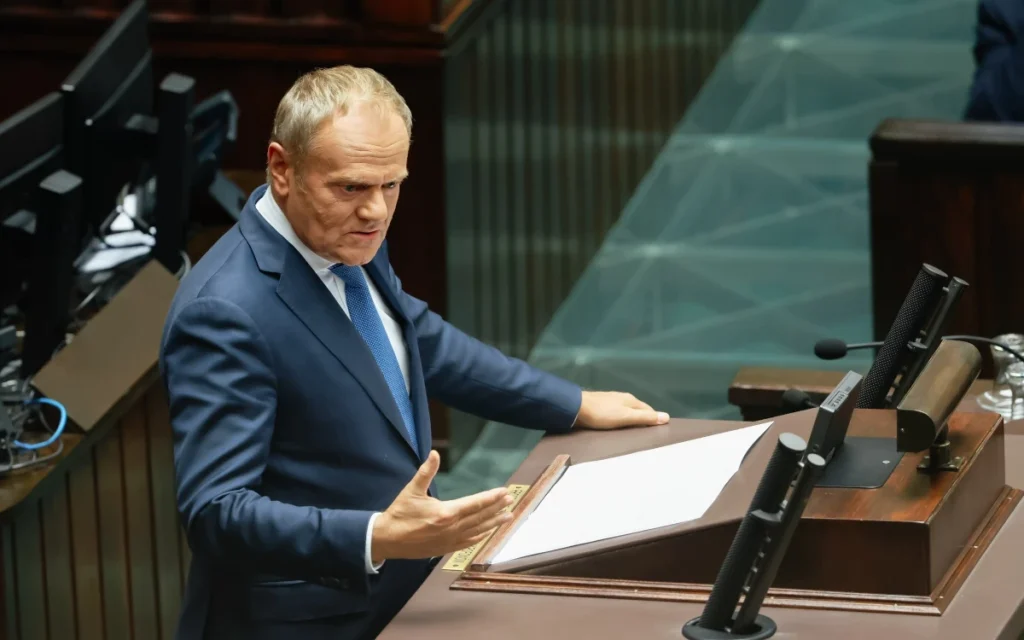
U.S. officials invited Poland, which is not a permanent G20 member, to the table, while Brazil’s finance minister is shunning the meeting amid tensions with the Trump administration. The talks come amid Trump’s tightening of trade barriers and questions over whether the grouping can still collaborate on major economic challenges. The meeting also coincides with the first exchange of attacks in a month between the United States and Iran. In addition to promoting economic growth, U.S. priorities this year include addressing “global imbalances.”
Andrew Bailey, governor of the Bank of England and chair of the Financial Stability Board (FSB), published a letter to G20 finance ministers on Monday warning that new artificial intelligence models threaten global financial stability. He highlighted the potential effects of frontier AI on cyber risk as “the most immediate concern” for the financial system, saying it could “undermine market confidence system-wide.”
“Recent developments have also highlighted to me that many jurisdictions do not have the protocols in place to manage the development, release, and deployment of advanced frontier AI models, heightening risks for the financial sector and beyond,” Bailey said.
The Asheville talks will test Washington’s ability to translate U.S. dominance of the dollar-based financial system into broader international pressure on Iran. This comes at a time when divisions within the G20 are already evident over Russia, trade, and representation. The simultaneous FSB warning over frontier AI highlights a second challenge for the grouping: maintaining cooperation on emerging systemic risks while geopolitical disputes increasingly fragment economic coordination.