
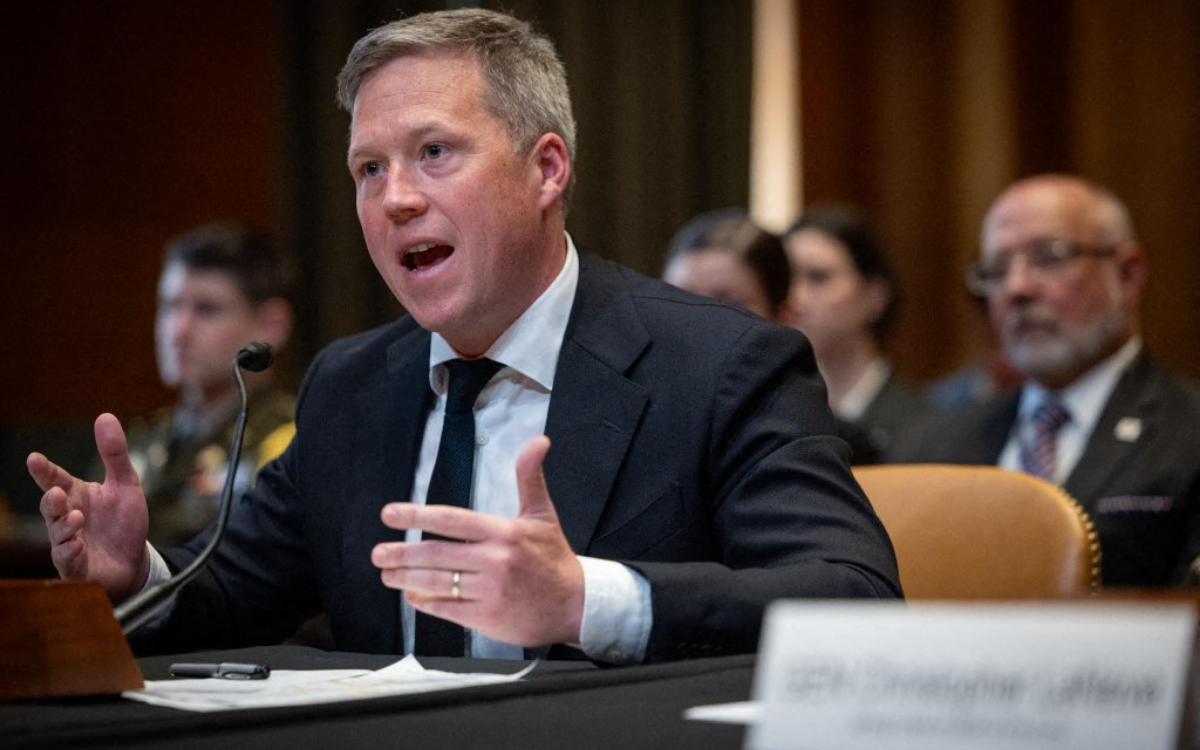
The U.S. Army’s top civilian leader Dan Driscoll has resigned, the White House confirmed, after months of reported tensions with Defense Secretary Pete Hegseth.
A former law school classmate of Vice President JD Vance, Driscoll had reportedly benefited from their friendship within the administration but clashed with Hegseth. The most senior Democrat on the Senate Armed Services Committee, Jack Reed, laid the blame for the departure at the defense secretary’s feet.
“I do not welcome Secretary Driscoll’s resignation… It is far past time for President Trump to recognize the lasting harm that Pete Hegseth is inflicting on the Department of Defense,” Reed said.
Asked about U.S. media reports that Driscoll had resigned, White House Principal Deputy Press Secretary Anna Kelly did not deny it and praised Driscoll’s work “in advancing President Trump’s agenda.” Driscoll, who advised Trump’s 2024 reelection campaign, leaves amid a growing list of departures among senior U.S. defense and national-security officials. In March, President Trump’s top counterterrorism official, Joe Kent, resigned over the Iran war, urging the president to “reverse course.” A month later, Hegseth fired Army Chief of Staff General Randy George and has still not nominated a permanent successor.
Driscoll’s resignation could effectively leave the U.S. Army without permanent civilian or uniformed leadership, as the Iran war enters its seventh month and the conflict escalates again. The simultaneous vacancies would increase scrutiny of command continuity and decision-making within the U.S. Army at a time of heightened operational demands, while Driscoll’s reported tensions with Hegseth raise broader questions about stability within the Pentagon’s senior leadership. The key developments to watch are whom Trump nominates to replace Driscoll and whom he selects to replace Randy George, as well as whether the departures are followed by further changes among senior civilian or uniformed defense officials. (AFP)