
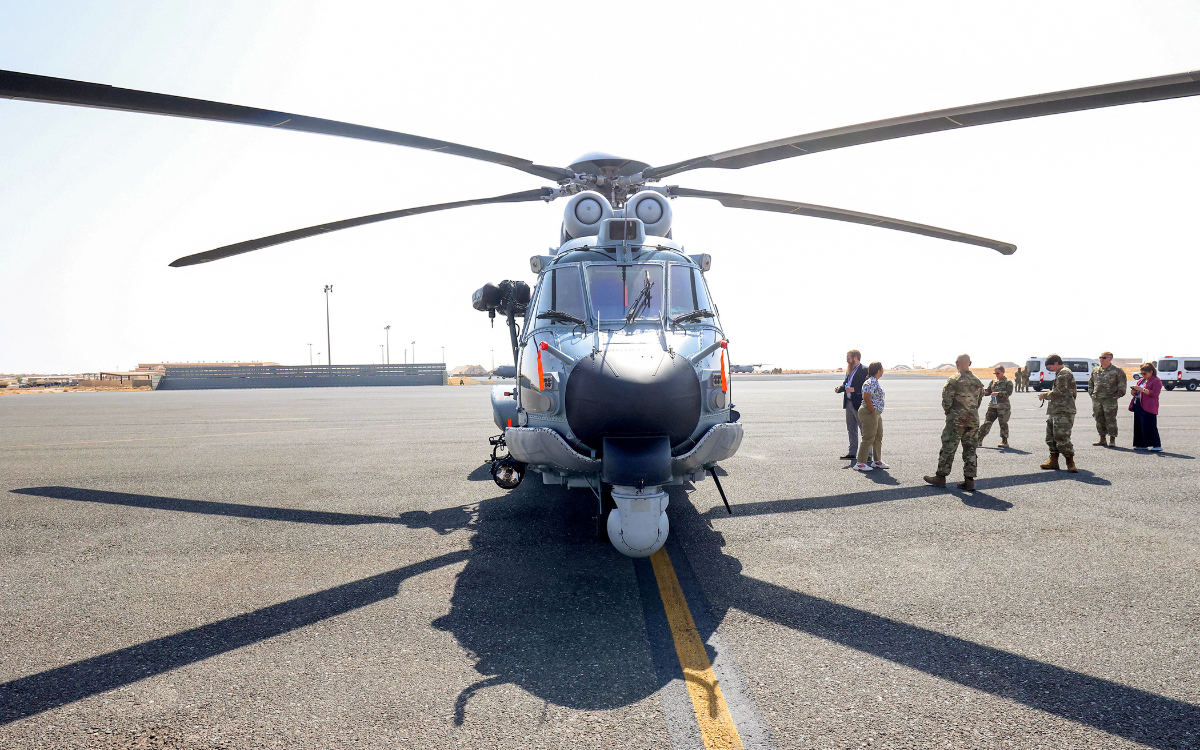
Iran launched missile and drone attacks against U.S. military installations across the Middle East on Wednesday after Washington conducted its largest wave of strikes on Iran in weeks, widening the renewed confrontation to U.S.-linked targets in Jordan, Bahrain, Kuwait, and Iraq’s Kurdistan region.
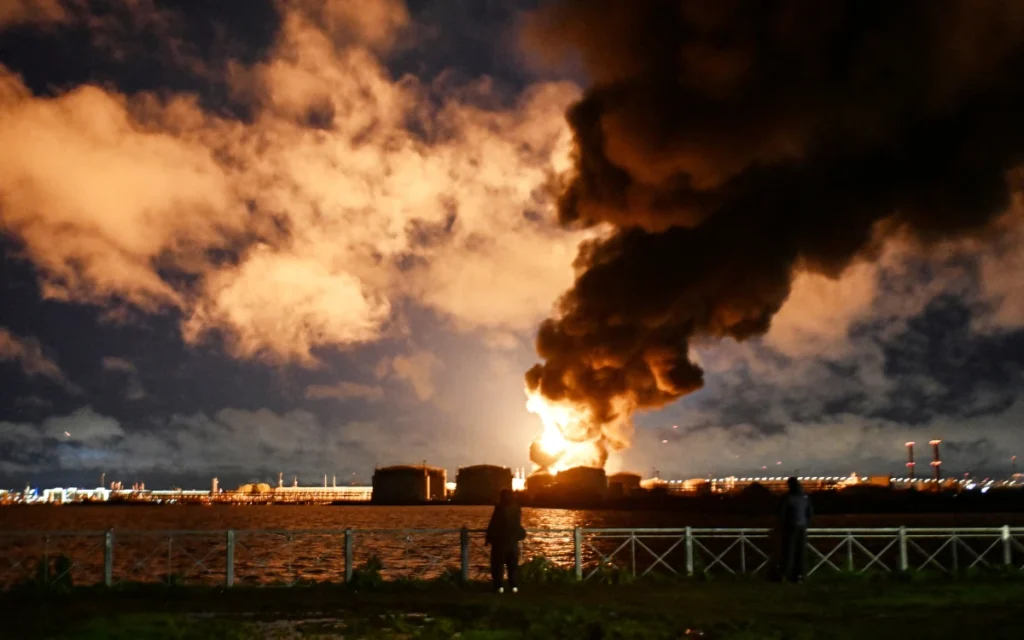
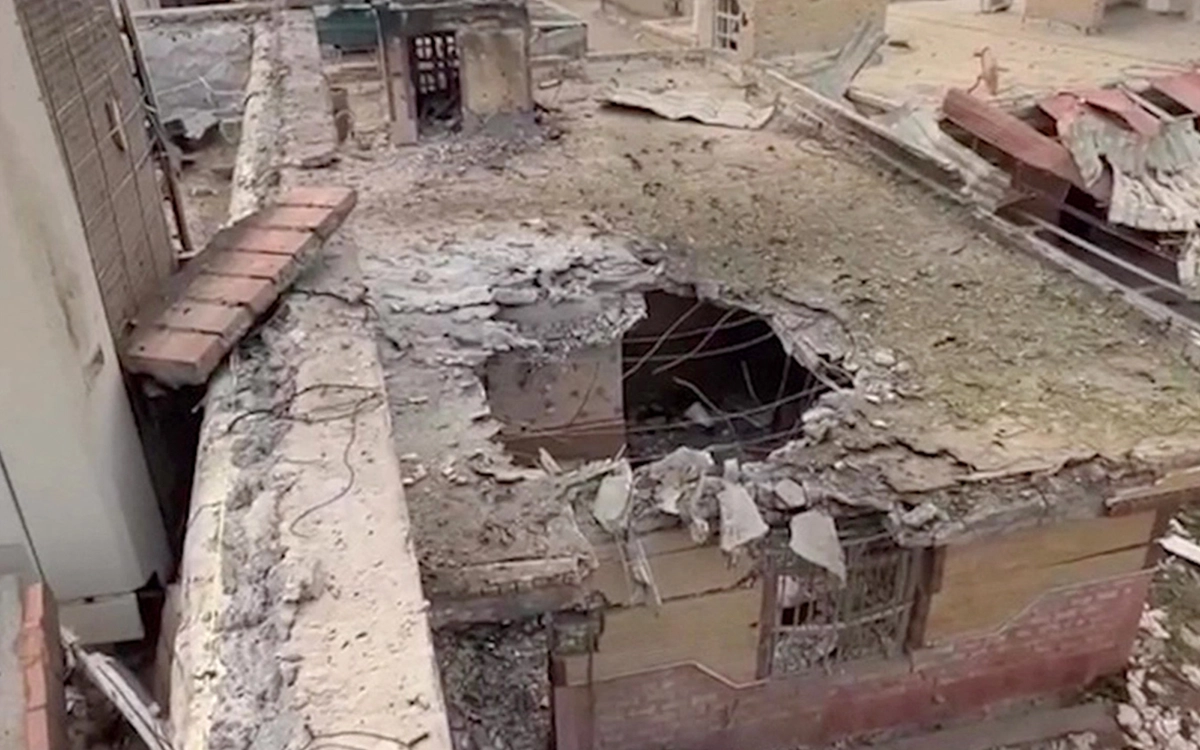
Tehran targeted Ali Al Salem Air Base in Kuwait with missiles and drones and struck a residential complex in Kuwait City, causing a fire but no reported injuries. Iranian drones targeting sites in Bahrain were also intercepted, as were drones targeting a U.S. base in Erbil. Jordan’s Armed Forces said 13 ballistic missiles entered the country’s airspace, with 10 intercepted and three falling in remote areas.
Meanwhile, U.S. Central Command (CENTCOM) said the United States struck Iranian air-defense systems, radar installations, maritime assets, mine-laying capabilities, and communications infrastructure. U.S. officials said around 100 targets were struck, including anti-ship cruise missile and attack-drone launchers. Two Iranian government-owned oil tankers were also reportedly attacked as part of what U.S. officials described as a new “tanker-for-tanker” policy intended to deter Iranian attacks on commercial shipping in the Strait of Hormuz.
The strikes also caused reported civilian casualties. The Iranian Red Crescent said five people, including a child, were killed and 68 were injured after shrapnel from a U.S. missile strike hit a residential home hosting a wedding in Kuhestak, Hormozgan Province. Separately, Iranian authorities said seven people were killed and eight were injured in strikes on three locations around Ahvaz and Aghajari in southwestern Khuzestan Province. CENTCOM spokesman Tim Hawkins, however, said, “The U.S. military never targets civilians, unlike the IRGC.”
The renewed fighting follows a month-long pause in direct U.S.–Iran strikes and comes as the Strait of Hormuz remains the central theater of the confrontation. Two Filipino sailors were confirmed killed following an attack on the Saudi-owned tanker Sidr while it transited the strait on Monday, although responsibility for that incident has not been established. The latest military exchanges and threats to commercial shipping have renewed concerns over disruption to Gulf energy exports and pushed oil prices higher.
The latest exchange marks a significant geographic and operational expansion of the U.S.–Iran confrontation, with Gulf states increasingly exposed to Iranian retaliation while Washington broadens its campaign against Iranian maritime and military infrastructure. Further attacks on shipping or regional bases could widen the conflict and increase pressure on energy flows through the Strait of Hormuz. (EIR)