
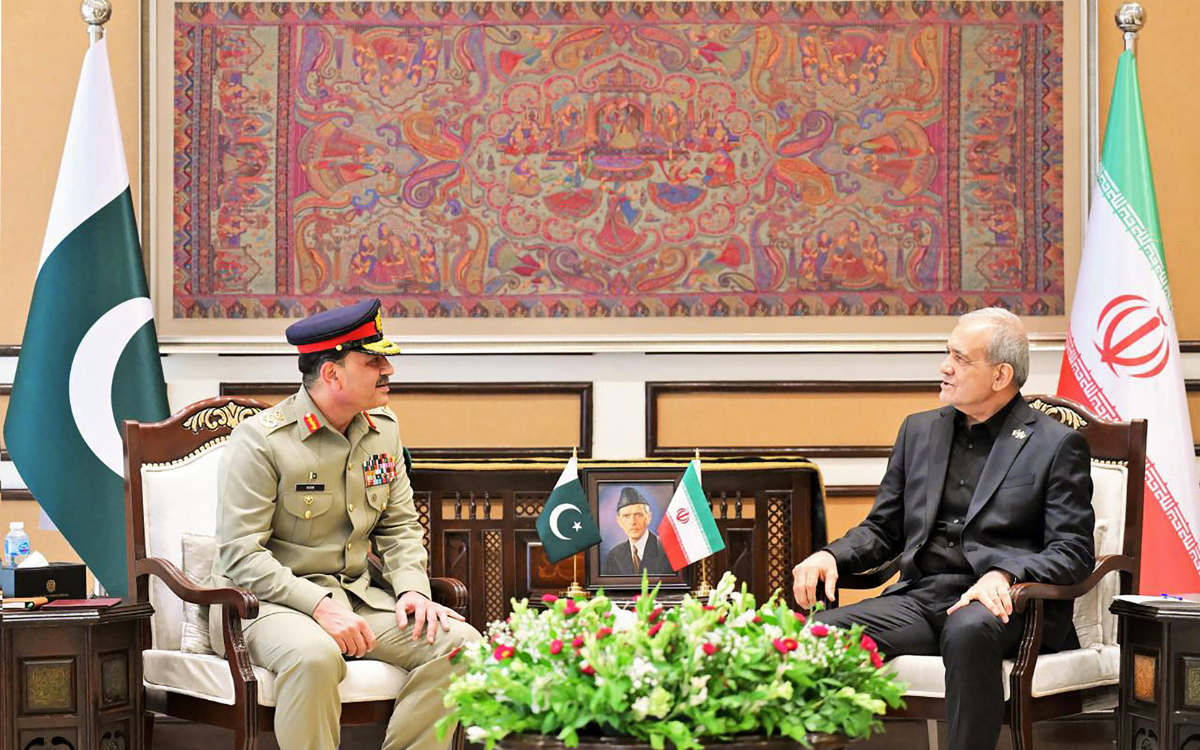
Pakistan’s army chief, Asim Munir, has arrived in Iran on Monday, according to the foreign ministry in Tehran.
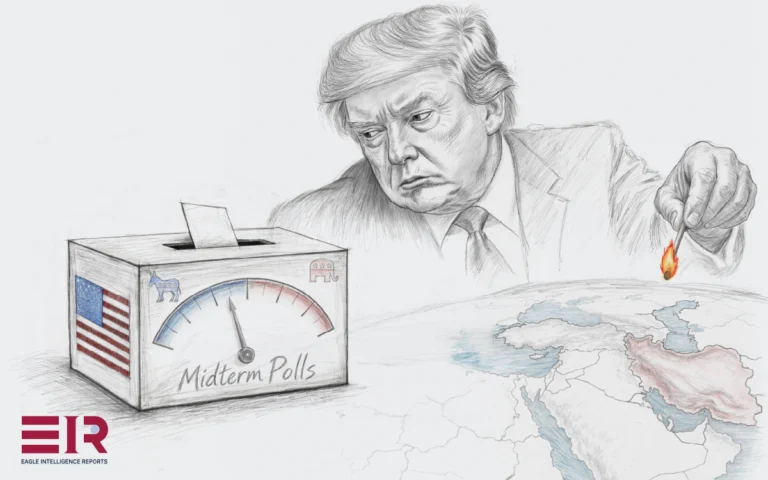
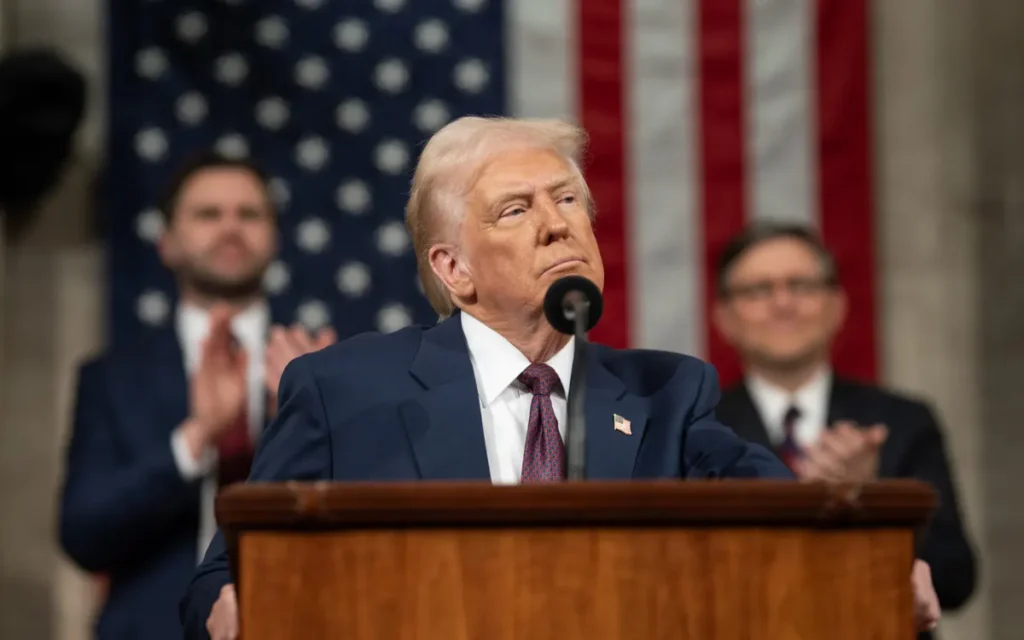
The visit comes as Islamabad tries to mediate a resolution to the Middle East war amid Washington’s intensifying economic pressure, with the Treasury secretary expected to announce a new sanctions package that Trump has described as the toughest yet.
Munir will lead a delegation to Tehran “as part of efforts to strengthen Iran–Pakistan bilateral cooperation,” Foreign Ministry spokesman Esmaeil Baqaei said in a statement.
The visit is also part of “Pakistan’s ongoing efforts to help consolidate peace and security in the region,” the statement added.
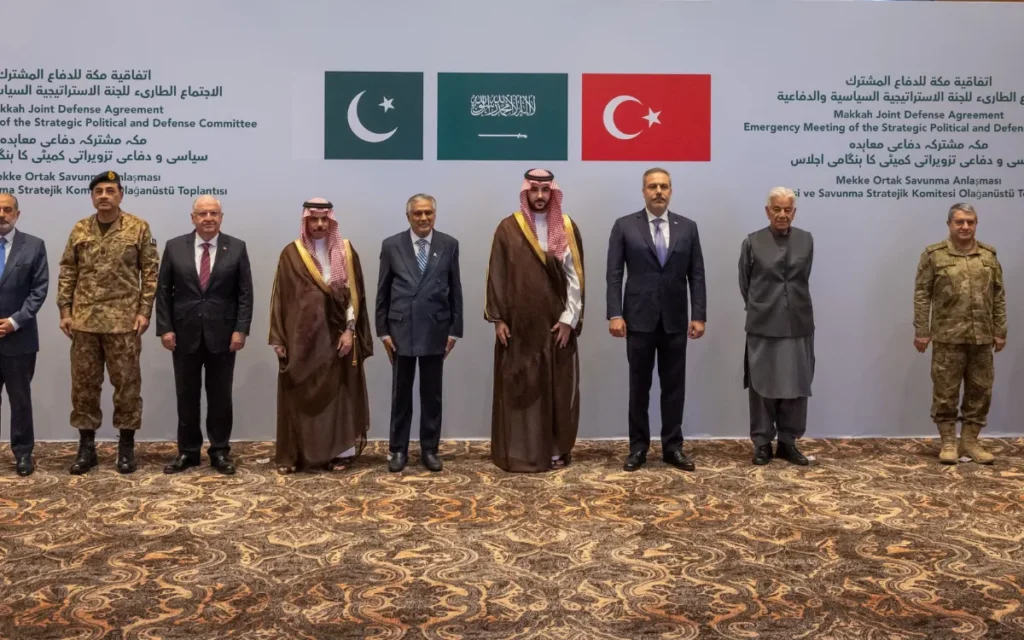
Pakistan played a key role in brokering a memorandum of understanding in June, as part of efforts to end the war between Iran and the United States. But peace negotiations currently seem to have stalled. Meanwhile, Pakistan signed a joint defense agreement with Saudi Arabia and Turkey earlier this month, which some analysts said could be aimed at countering Iranian influence.
Munir’s visit underscores Pakistan’s attempt to position itself as a diplomatic intermediary while balancing increasingly complex security relationships with Iran, Saudi Arabia, and Turkey. Islamabad’s ability to maintain working ties with Tehran while deepening defense cooperation with Iran’s regional rivals could give it unusual diplomatic leverage, but it also risks narrowing Pakistan’s room for maneuver if regional divisions deepen. A key indicator to watch is whether Munir’s talks produce a concrete Iranian response to peace negotiations. Tehran may continue to view Islamabad as a credible intermediary or may start seeing it as aligned with a competing regional security bloc. (AFP)