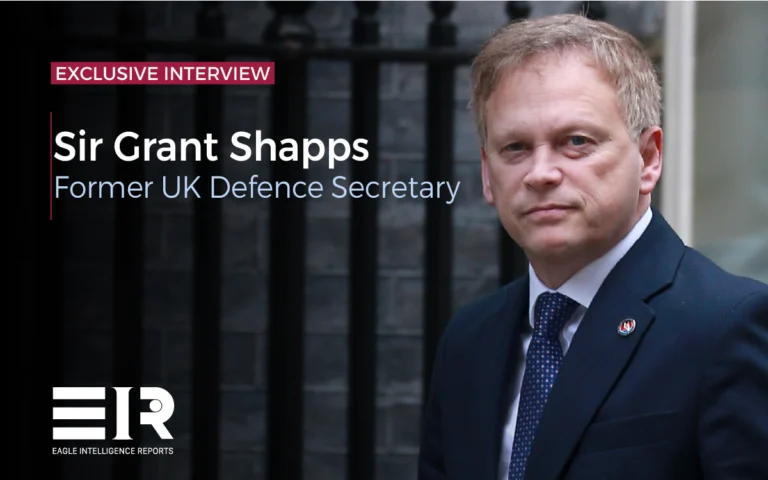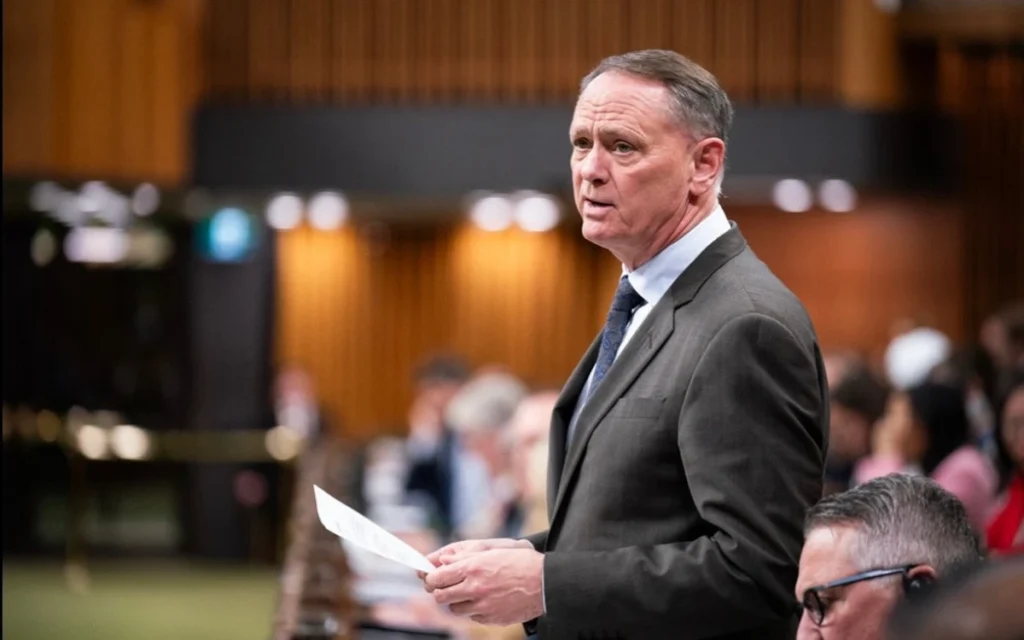

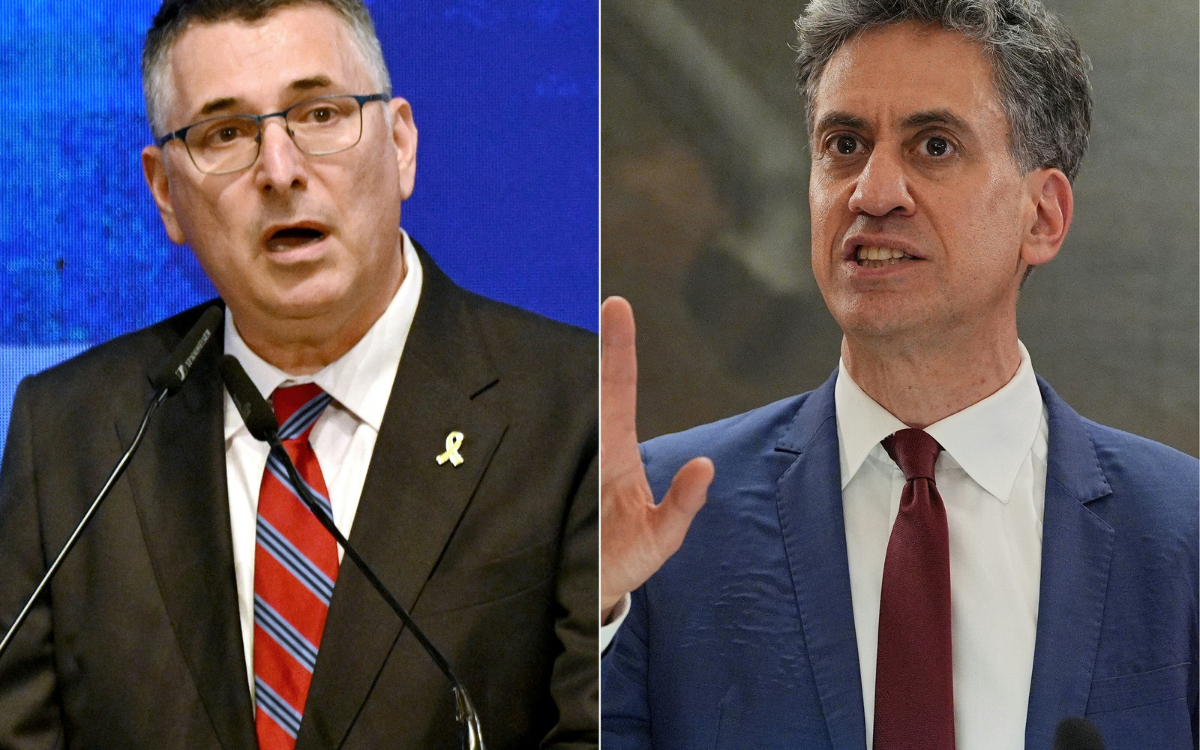
UK Foreign Secretary Ed Miliband vowed a tough response to “appalling settler terrorism” by Israeli settlers against Palestinians in the West Bank and warned against the “destruction of the two-state solution.”
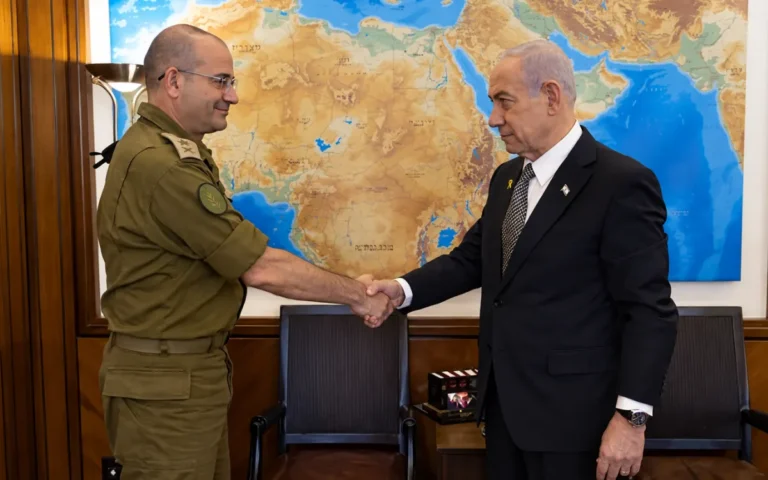
In response, Israel threatened retaliation if the UK imposed sanctions. Relations between the two countries have deteriorated to their lowest point in decades, despite their longstanding security and defense ties. Miliband’s reaction comes as Netanyahu’s government has increased its support for settlements ahead of elections, including through the E1 development project, where plans are advancing for more than 1,200 settler homes.
Speaking in Parliament, Miliband said the world had “seen appalling settler terrorism and Palestinians driven from their homes,” and vowed a “comprehensive reset of our policy.” Israeli Foreign Minister Gideon Sa’ar said that if the UK acts against Israel, “they will be making a big mistake,” adding that Israel “will act against Britain.”
The statements reflect the tougher stance adopted by the UK since Andy Burnham became prime minister. Burnham has said his predecessor, Keir Starmer, was too soft on Israel. In late August, Israel reportedly considered excluding British officials from the U.S.-led postwar Gaza coordination structure, known as the Civil-Military Coordination Center. The body was established in the Israeli town of Kiryat Gat to monitor the ceasefire between Israel and Hamas, facilitate humanitarian aid, and coordinate postwar stabilization policies for Gaza. The United Kingdom maintains the second-largest delegation at the headquarters, while a British officer serves as deputy commander under the U.S. general leading the center.
The dispute highlights a widening divergence between London and Washington over Israel and the West Bank, while also threatening to spill beyond political rhetoric into practical areas of UK–Israel cooperation. Israel’s reported consideration of excluding British personnel from the U.S.-led Gaza coordination structure provides an early indication of how it could respond to British measures. The key development to watch is whether Israeli retaliation extends to UK diplomatic access, bilateral trade, defense cooperation, intelligence and security coordination, or British participation in Gaza-related mechanisms. Any restrictions in these areas would mark a significant deterioration between two longstanding security partners. (EIR)