
Germany has officially blamed Russia for an attempted “hybrid attack” involving an explosive-laden drone at a strategic airport on August 4 and announced countermeasures.
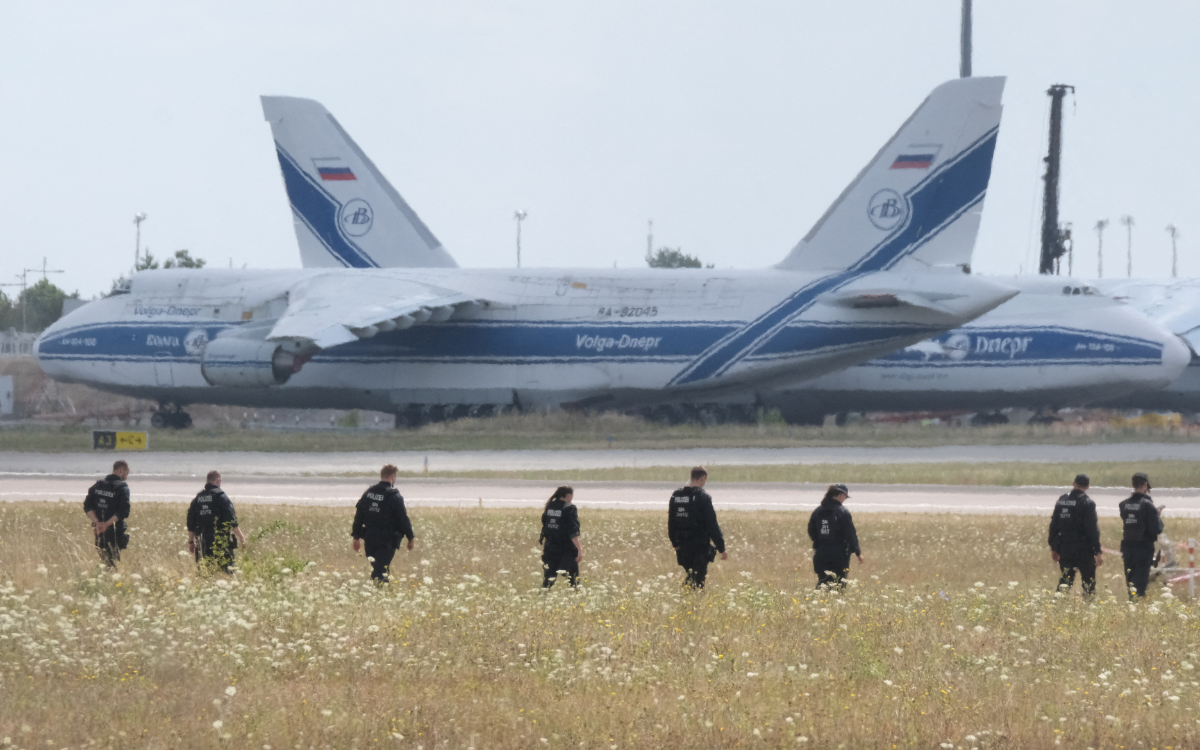
The move comes after an explosive device was found last month near a Ukrainian cargo plane at Leipzig Airport, which plays a key role in the transport of military goods for Germany and NATO. Another drone collided with a DHL aircraft and a third drone loaded with explosives was discovered in Germany on August 22. Several improvised explosive devices were also found near a German power plant on Tuesday, while multiple power lines were damaged. Germany said it would propose adding more Russian individuals to the European Union’s (EU) sanctions list and would “tighten entry controls for Russian nationals,” as it summoned the Russian ambassador in Berlin.
Germany will also close Russia’s consulate in Bonn, the former West German capital, and cancel the contract for the Russian House cultural center, which security services believe is an intelligence hub. Foreign Minister Johann Wadephul also vowed to increase “pressure on the Russian shadow fleet,” old oil tankers and cargo ships with opaque ownership that Russia uses to get around Western sanctions.
Russian President Vladimir Putin in televised comments later branded the sanctions move “another mistake, a serious one,” saying it “clearly runs counter to the interests of the German people.” The Russian embassy said in a Telegram message that Ambassador Sergei Nechayev “rejected Berlin’s accusations as unsubstantiated, absurd” and warned they would “not be without consequences.”
EU chief Ursula von der Leyen said the bloc stands in “full solidarity” with Germany, while NATO chief Mark Rutte said the alliance “will continue to strengthen our ability to deter and defend all allies against any threat.” The United Kingdom, France, Spain, Poland, and Sweden all voiced support for Germany. Chancellor Friedrich Merz said last week that Germany, which is a key supporter of Ukraine in its war with Russia, has “found itself in the crosshairs of hybrid attackers” and warned that the perpetrators would “pay for” the attacks.
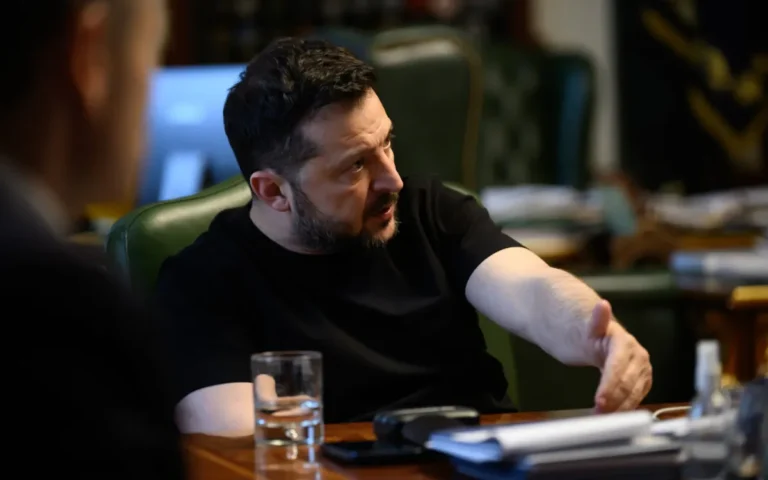
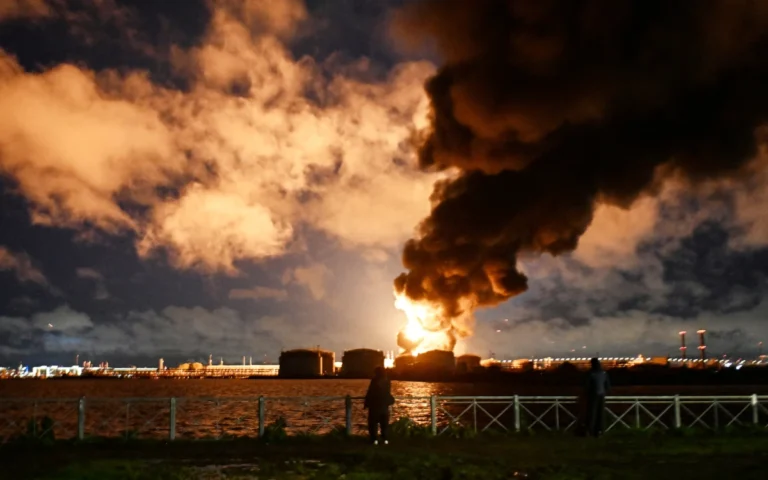
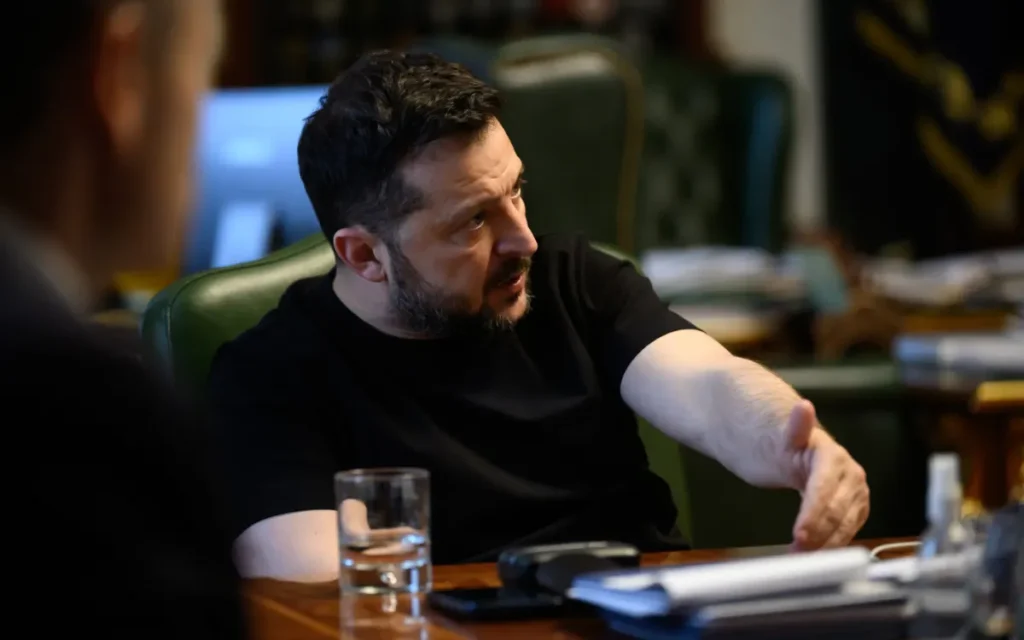
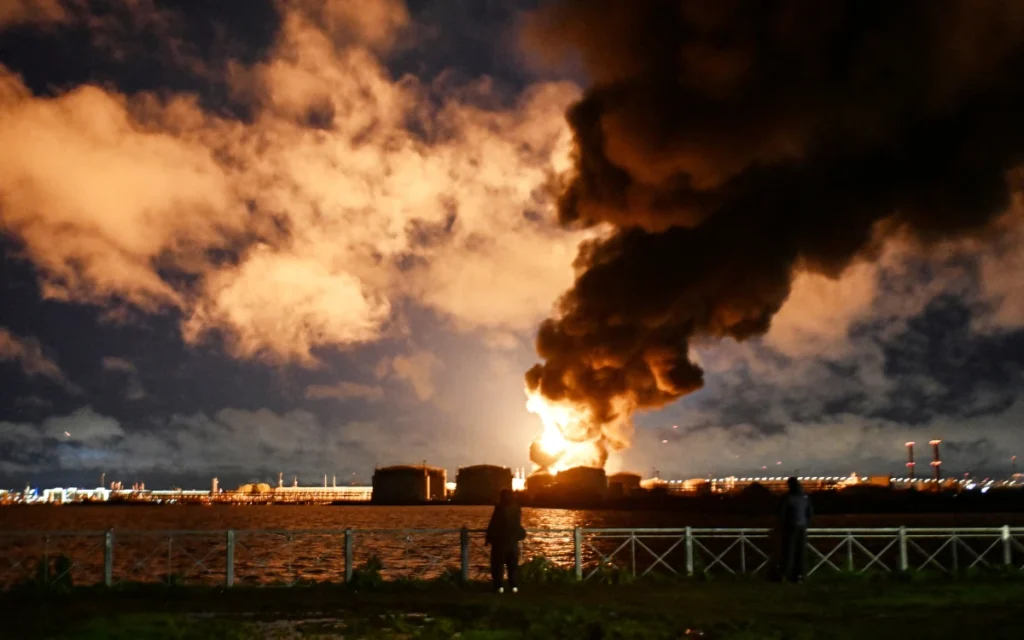
Germany’s announcement that Russia was behind the attack at Leipzig Airport comes as Ukrainian President Volodymyr Zelensky warned on Tuesday that Russian airspace is unsafe while his country escalates long-range drone strikes. Zelensky’s warning to “everyone who still uses key airports” in Russia underscores the increasingly blurred boundary between military operations and risks to civilian aviation as Ukraine intensifies its long-range drone strike campaign and European governments confront suspected Russian hybrid operations beyond the battlefield. The Leipzig attribution also raises the stakes for NATO, as suspected Russian hybrid operations against infrastructure supporting Ukraine could increasingly test where allies draw the threshold between sabotage, coercion, and an attack requiring a stronger collective response. (AFP)