
The United States and Japan have announced a rare joint intervention to support the yen, the first one in almost three decades.
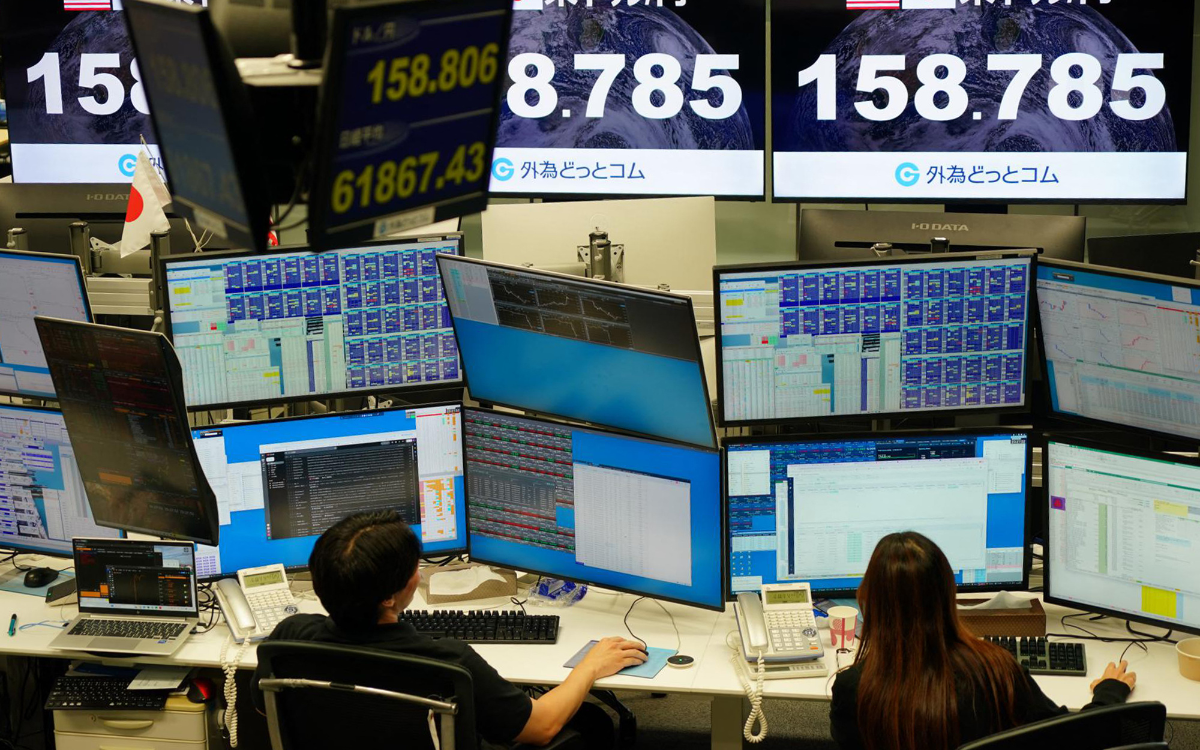
It comes as the currency hit a 40-year low because of the difference between Japanese and U.S. interest rates, reaching 163.99 per dollar in July.
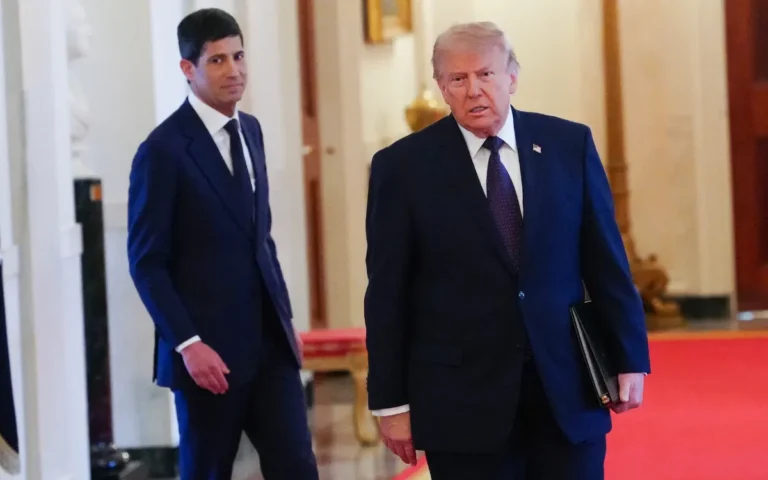
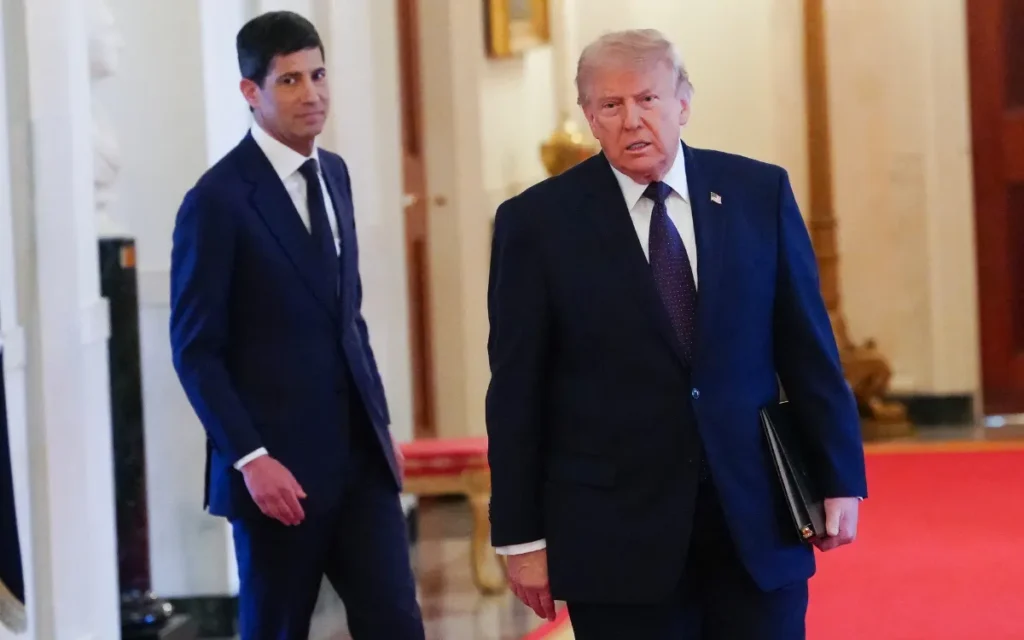
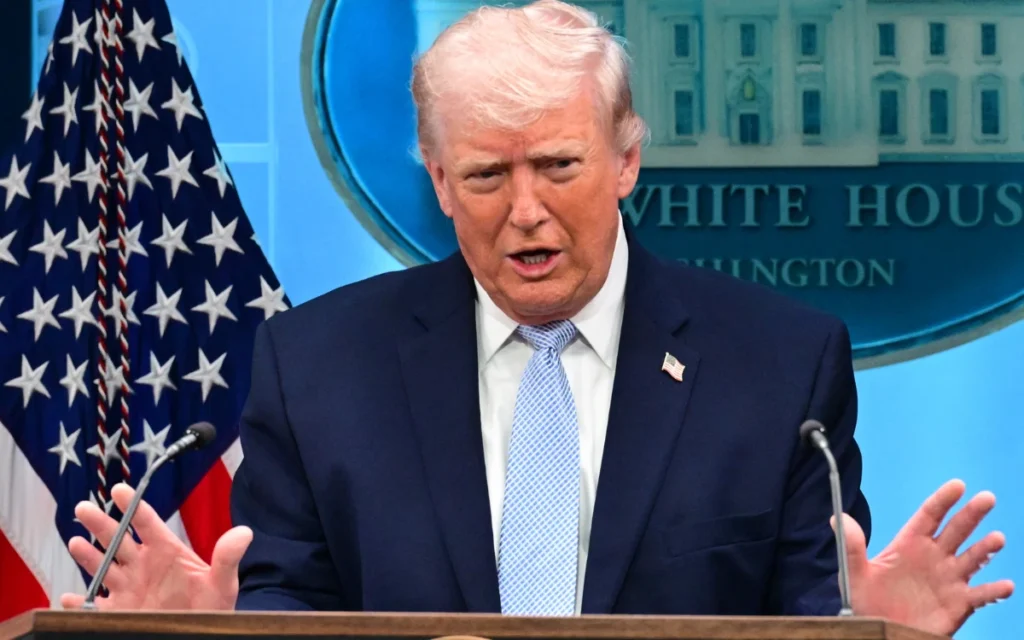
U.S. President Donald Trump called the move a “signal of friendship” with Japan and “good for the world economy.”
“And we’re always there for Japan. Japan’s been very good to us, with the exception, of course, of Pearl Harbor,” Trump added, referring to the Japanese attacks on the Pacific US naval base in World War II.
According to Japan’s Finance Minister, Satsuki Katayama, Washington and Tokyo last bought yen in 1998. U.S. Treasury Secretary Scott Bessent promised the United States “will not hesitate to participate in further joint intervention.”
While good for its big exporters like Sony and Toyota, a weak yen inflates import costs for resource-poor Japan, especially oil just as the war strangles supplies from the Gulf.
The joint yen intervention represents more than a temporary effort to stabilize Japan’s currency markets; it reflects a broader strategic convergence between Washington and Tokyo as economic security becomes inseparable from national security. With the help of the United States, Japan is strengthening its intelligence architecture to better respond to rising regional threats, while also seeking greater resilience against financial vulnerabilities that can be exploited during periods of geopolitical instability. Together, these developments signal a transformation in Japan’s postwar posture — from a nation primarily reliant on external security guarantees to a more proactive actor capable of using financial, intelligence, and diplomatic tools to defend its interests. For the United States, supporting Japan’s stability has become increasingly important as competition in the Indo–Pacific intensifies. The yen intervention may therefore be viewed as part of a wider strategic realignment in which economic power, intelligence capabilities, and alliance cooperation are becoming interconnected instruments of influence in the emerging global order. (EIR)