
Canada formally applied to join the UK-led Joint Expeditionary Force (JEF), deepening military cooperation with Britain and nine Northern European countries.
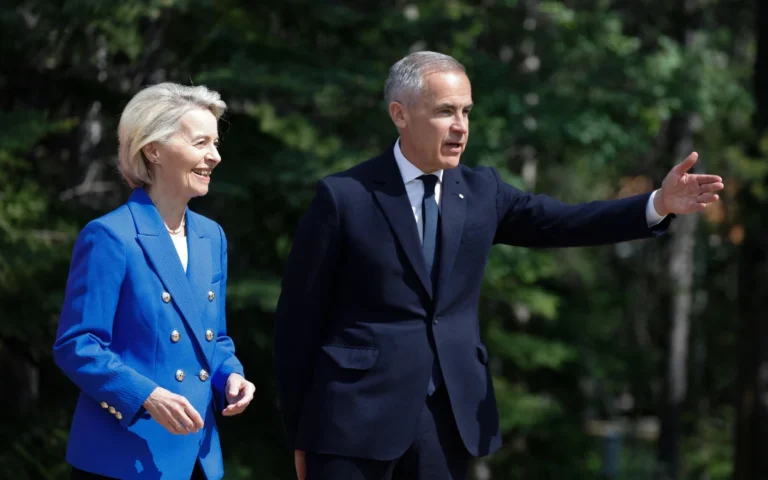
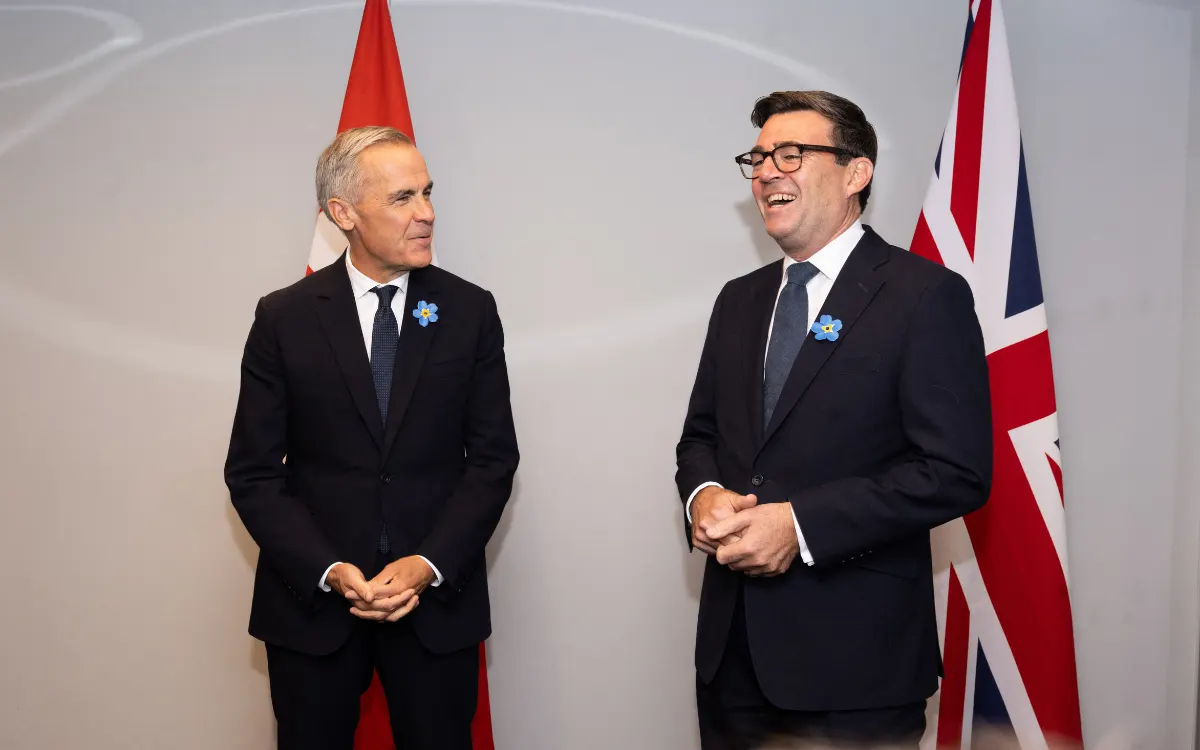
The move comes as Ottawa expands its defense partnerships beyond the United States. The announcement was made after Canadian Prime Minister Mark Carney met UK Prime Minister Andy Burnham in Liverpool on Wednesday.
“Canada and the United Kingdom are the closest of friends—with shared history and ambition. Right now, we have an enormous opportunity to build together with the right values—in AI, defense, trade, and beyond. We’re going to seize it,” Carney wrote on X.
Thank you, Prime Minister @andyburnham, for the warm welcome to Liverpool.
Canada and the United Kingdom are the closest of friends — with shared history and ambition. Right now, we have an enormous opportunity to build together with the right values — in AI, defence, trade, and… pic.twitter.com/7UEcsT3SC5
— Mark Carney (@MarkJCarney) September 16, 2026
The two leaders noted growing defense links between their countries and discussed opportunities to strengthen cooperation. One of the key cooperation projects they discussed was the Global Combat Air Program (GCAP), which Canada joined as an observer in July 2026. Canada and the UK are also working on modernizing British Army Training Unit Suffield (BATUS) as a world-class facility for developing and testing new equipment and technology. The prime ministers also talked about stronger economic cooperation and advancing safe and responsible development of artificial intelligence.
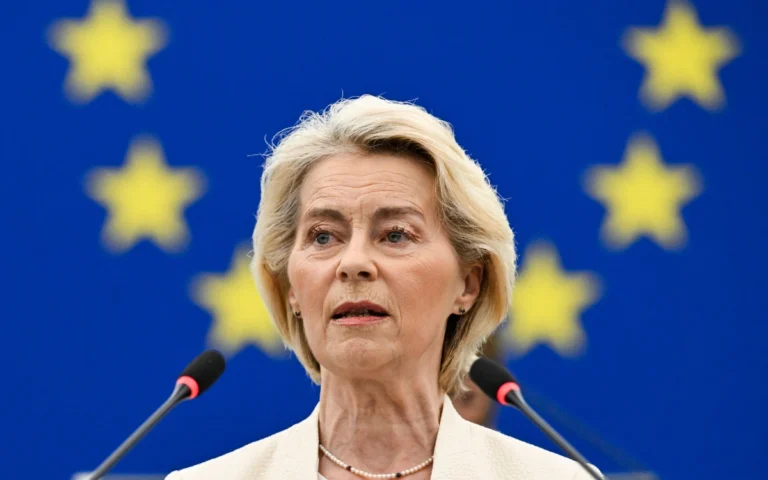
Canada’s JEF application is the latest in a series of moves demonstrating Ottawa’s effort to reduce its strategic dependence on the United States by building deeper security, economic, and technological relationships with Europe. Canada has already joined the EU’s SAFE defense initiative, entered the UK–Italy–Japan Global Combat Air Program as an observer, and is now seeking membership in the UK-led JEF. This week, European Commission President Ursula von der Leyen also proposed making Canada the EU’s first “associate member,” with cooperation potentially extending across defense, energy, technology, critical minerals, and Arctic security. Taken together, these initiatives do not amount to Canada abandoning its longstanding U.S. and NATO relationships, but they point toward a more diversified Canadian strategic architecture in which European partnerships play a substantially larger role. The JEF application is particularly significant because it would give that shift an operational military dimension, connecting Canada more closely with countries focused on the North Atlantic, Arctic, and Northern European security. (EIR)