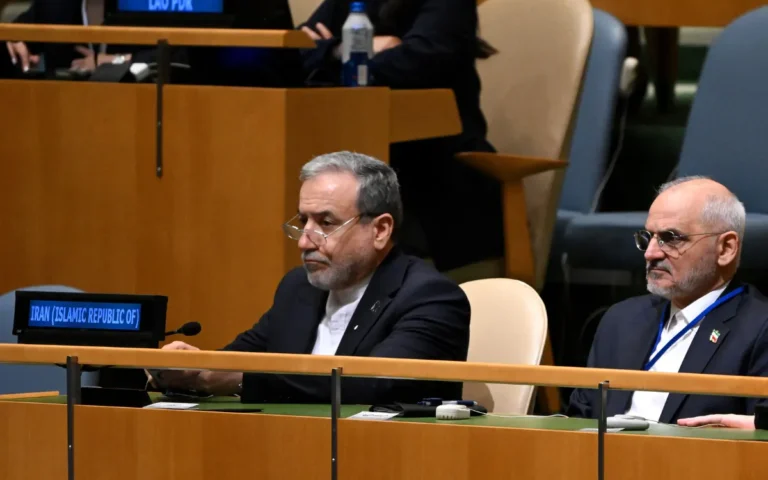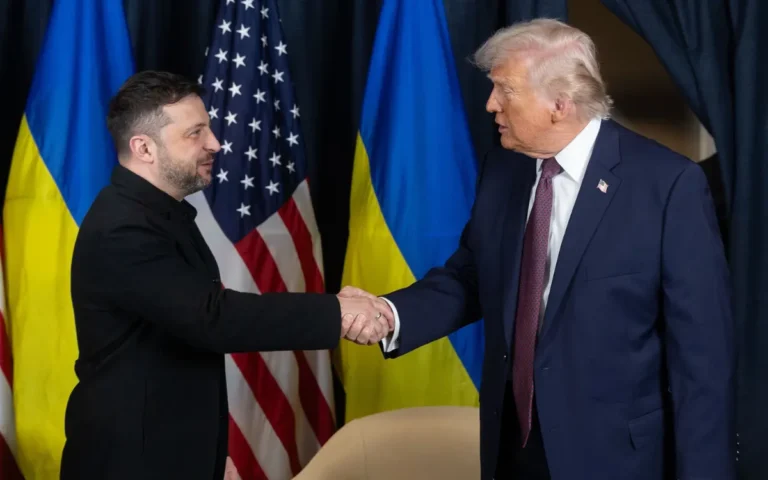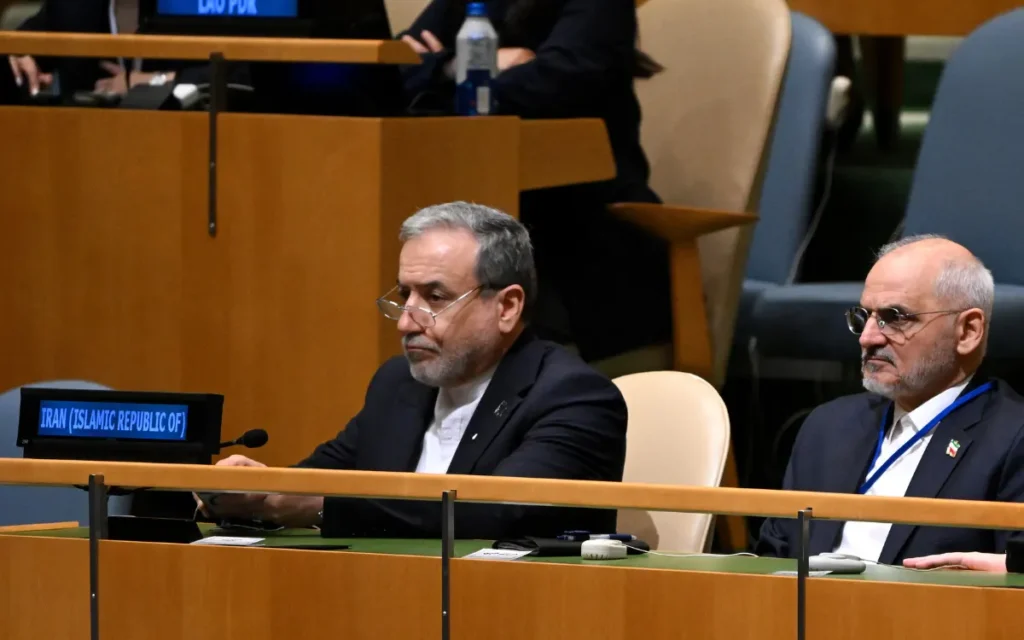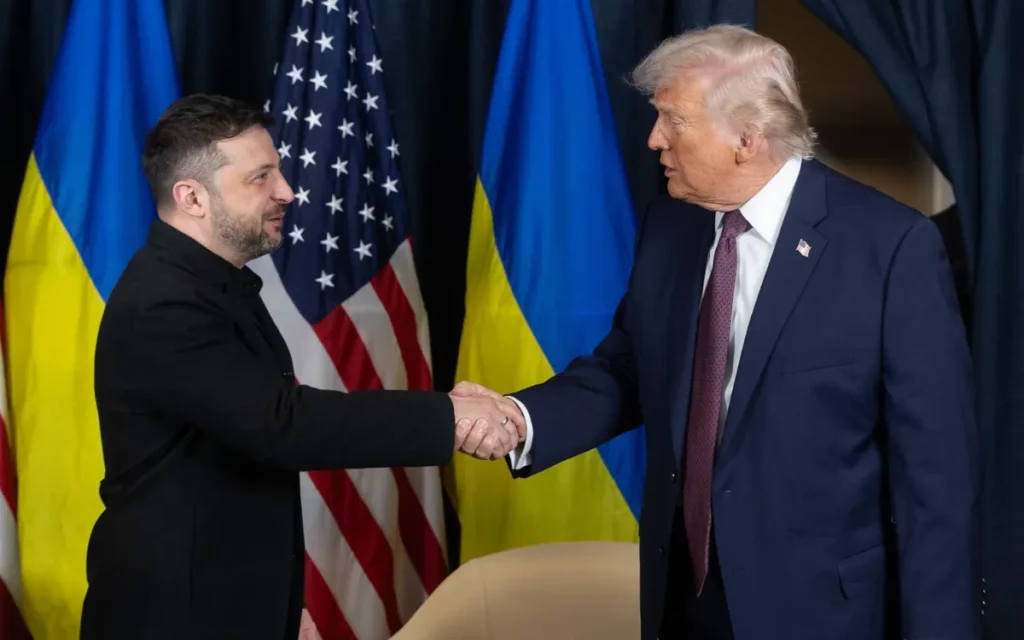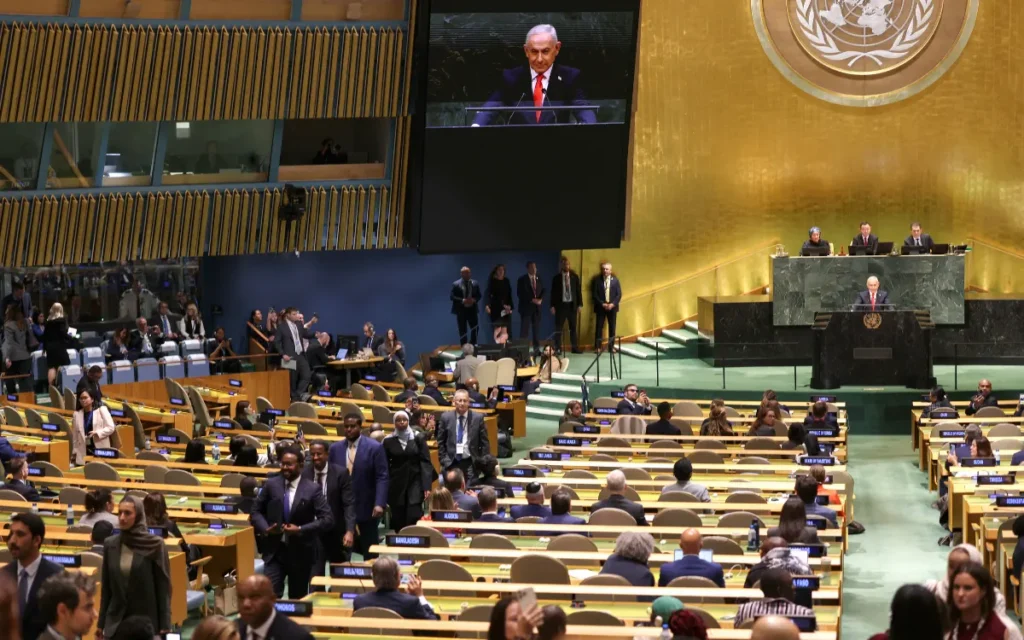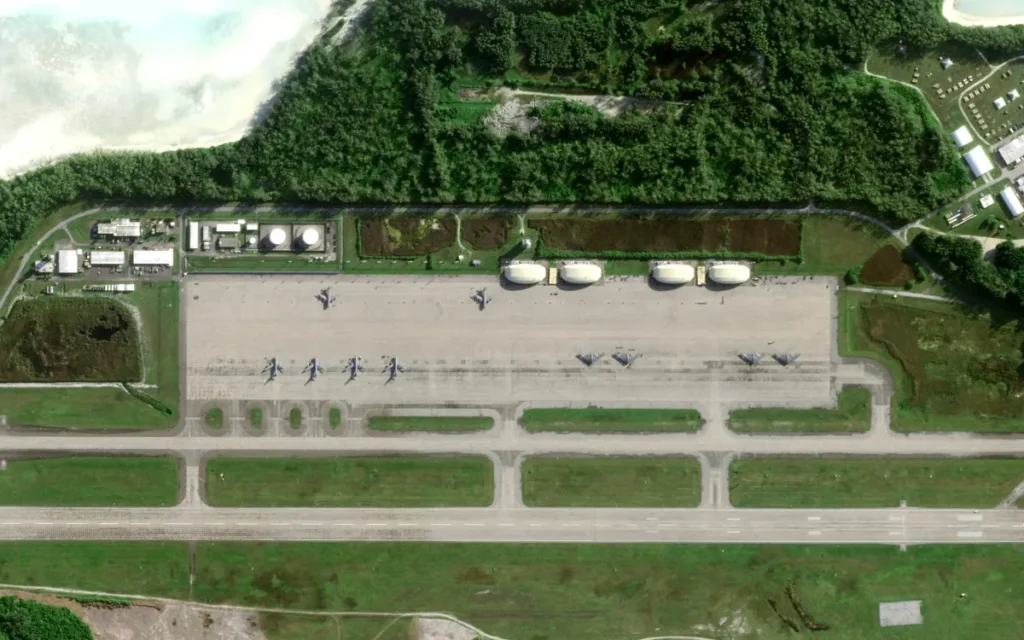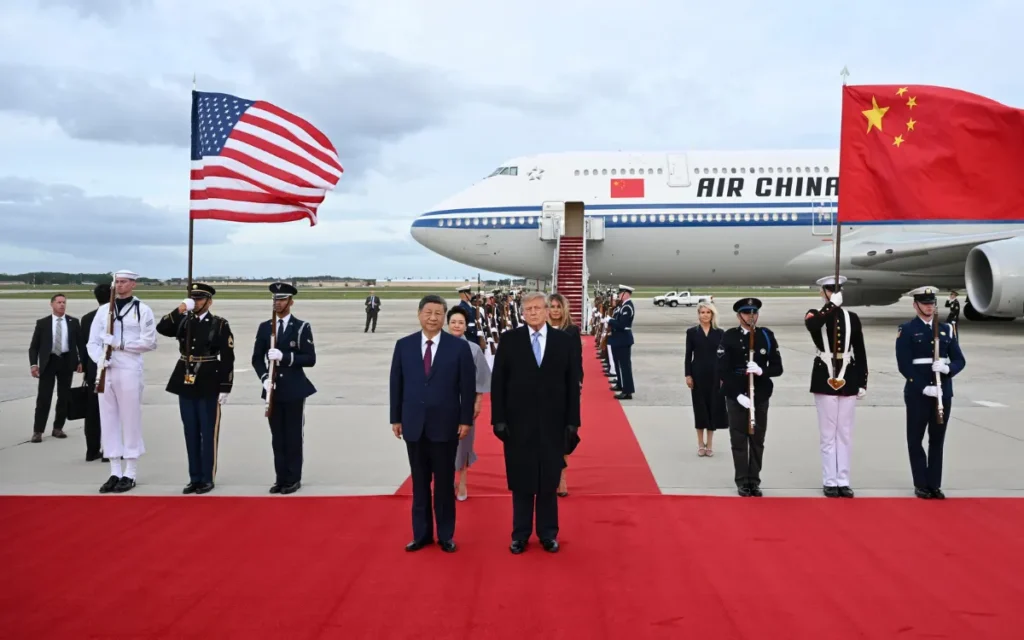

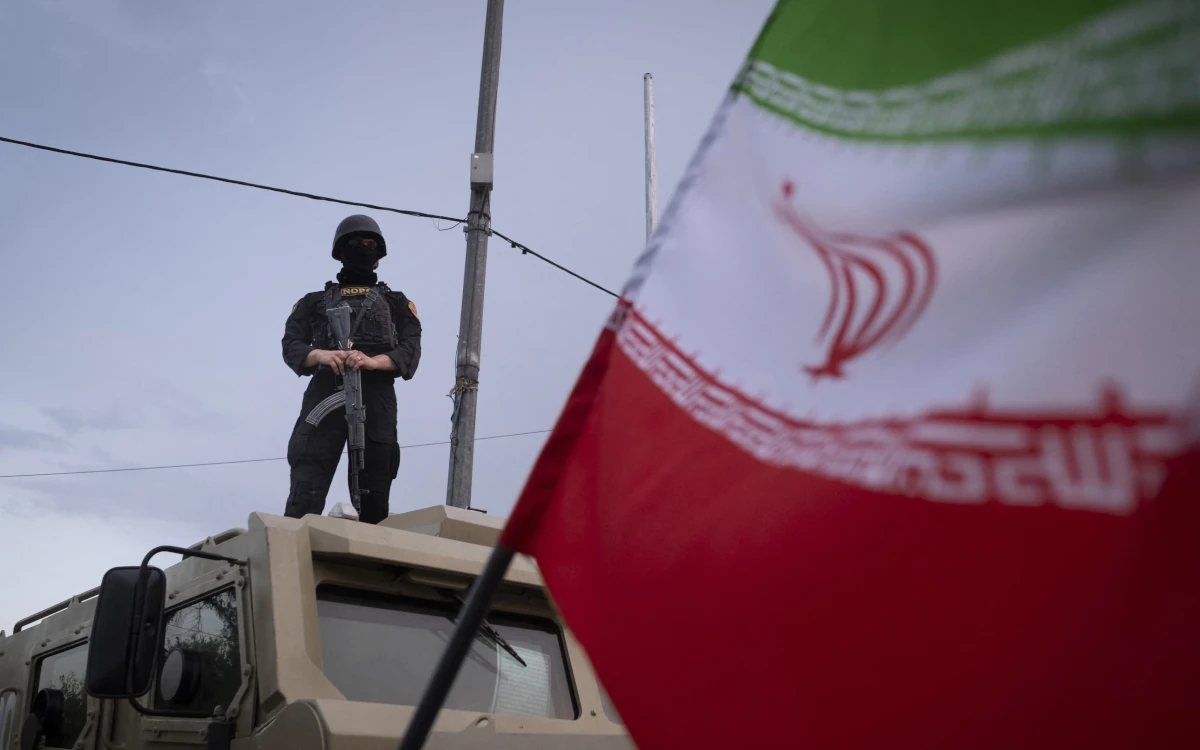
Iran stood firm Sunday on its conditions for reopening the Strait of Hormuz, despite U.S. President Donald Trump’s rejection of the proposal that had created some optimism for breaking the Mideast war stalemate.
The waterway is key to the world’s energy supply and is now central to the conflict between Washington and Tehran, which was triggered nearly seven months ago with deadly strikes on Iran.
Iran’s plan called for a cessation of all hostilities in the Middle East, including in Lebanon, according to Foreign Minister Abbas Araghchi, and fulfilling conditions in the ceasefire deal that fell apart months ago. That agreement, which dissolved during fighting over Hormuz, called for the release of frozen Iranian assets, the lifting of sanctions on Iranian oil and an end to the U.S. naval blockade.
“Our conditions are clear, and any move toward reopening the Strait of Hormuz is contingent upon these conditions being fulfilled. We will not back down from them,” Araghchi said on Sunday, state broadcaster IRIB reported. “We have never closed the door to diplomacy or negotiations, but at the same time, we have never backed down from our rights.”
But Trump said on Saturday that he rejected the truce deal. “They want to make a deal where they open the Strait immediately because they’re losing so badly,” he told reporters. “They want to make a deal and I think that’s fine. I like making a deal too.”
Araghchi said on Sunday that the Iranians “saw the first reaction from the U.S. president, but so far, nothing has been conveyed to us by the mediators”. “We are waiting for the mediators to convey the definitive positions to us, and we will make a decision based on them,” the foreign minister added.
Meanwhile, the U.S. Treasury chief claimed successes in isolating Iran.
U.S. Treasury Secretary Scott Bessent said Saturday that he had sent envoys around the world to pressure countries to economically isolate Iran, hailing new restrictions targeting the country’s airlines and banks.
Bessent noted that Turkey and Oman have halted incoming flights from private carrier Mahan Air, while the United Arab Emirates has stopped all flights by Iranian airlines.
Bessent also highlighted new banking restrictions. On Wednesday, the UAE central bank blocked transactions to and from Iran by branches of Iran’s Bank Melli, accusing it of violating laws on money laundering, terrorism and arms proliferation. Last week, Turkey revoked the license of Iran’s Bank Mellat, a semi-private financial entity that has been subject to Western sanctions for years.
An American media article shared by Bessent said Jonathan Burke, the Treasury’s assistant secretary for terrorist financing, traveled across the Middle East and Europe over two weeks to push the plan to impose what Bessent called “economic D-Day” on Tehran. U.S. Treasury has held discussions with more than 50 countries, American media reported.
Bessent said on Monday that all Iranian airlines “will be shut down around the world.” However, smaller Iranian carriers continue to operate international routes, particularly to China, which is refusing to yield to U.S. pressure. (AFP)