
Iran has proposed ending its war with the United States and reopening the Strait of Hormuz within seven days, offering a new diplomatic opening as Tehran faces widening U.S.-led economic and diplomatic pressure and disruption to Gulf shipping continues to unsettle global markets.
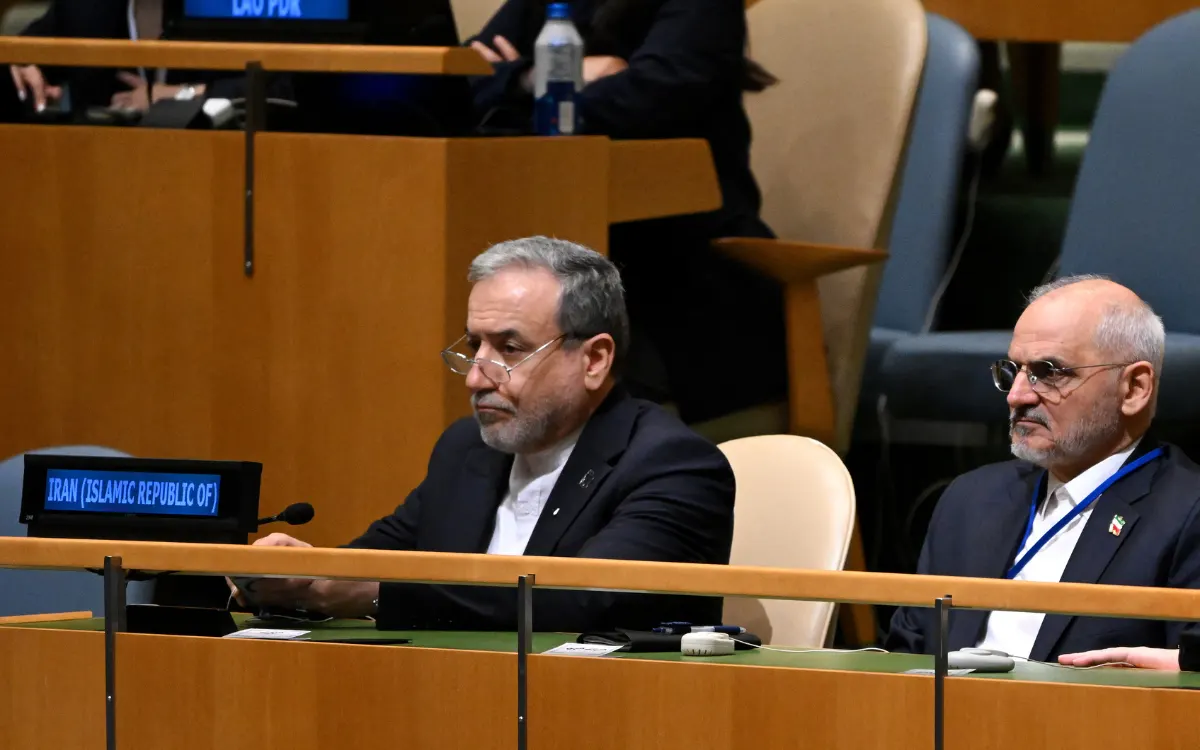
Foreign Minister Abbas Araghchi said the plan calls for a seven-day cessation of hostilities across the Middle East, including Lebanon, followed by the reopening of Hormuz on the seventh day. Tehran is seeking the release of at least $12 billion in frozen assets, an end to the U.S. naval blockade, and the lifting of sanctions on Iranian oil, while ending hostilities in Yemen is also among its demands. Araghchi met U.S. envoy Steve Witkoff in New York and said Iran was awaiting Washington’s response.
“If certain conditions are met, the strait will be open within seven days and talks will start,” Araghchi said. President Masoud Pezeshkian separately said Iran did not want the war to continue and that “it’s America that must choose whether it wants to end this or not.”
The proposal comes as pressure on Iran expands beyond the battlefield. Iraq on Friday suspended Iranian flights to Najaf and other Iraqi airports to enforce U.S. sanctions, while Colombia’s new U.S.-backed government has severed diplomatic ties with Tehran. Meanwhile, Houthi attacks on Saudi Arabia and its Red Sea shipping routes are adding pressure around a second major energy corridor; Pezeshkian denies Tehran directs the Houthis. Oil remains elevated, with Brent at $105.82 a barrel on Friday after gaining more than three percent Thursday, while heightened geopolitical uncertainty has contributed to volatility across Asian equities and global bond markets.
Washington’s response to the seven-day proposal is now the key indicator to monitor. Iran is linking the reopening of Hormuz to sanctions relief, access to frozen assets, and a broader regional ceasefire, meaning any negotiations would extend well beyond maritime access; a substantive U.S. counterproposal would signal whether the latest diplomatic channel can advance beyond the failed June agreement. (AFP+EIR)